BAFTA’s 2026

The 79th British Academy Film Awards, better known simply as the BAFTAs, unfolded on the 22nd of February 2026 in London with a ceremony that balanced reverence for established cinema, celebration of fresh voices, and an unmistakable sense of unpredictability. Hosted for the first time by Alan Cumming, the event presented by the British Academy of Film and Television Arts showcased a vibrant mix of global storytelling, technical mastery, and breakthrough performances.
The evening’s most dominant film was ‘One Battle After Another,’ directed by Paul Thomas Anderson. The movie arrived with huge anticipation after leading the nominations with fourteen nods, the most of any contender in BAFTA history. It translated those expectations into success, winning six awards, including the most prestigious honours of the night such as Best Film and Best Director for Anderson himself.
One Battle After Another, stood out for its bold cinematic vision, its intricate screenplay and its technical sophistication. The film also received BAFTA’s awards for Best Adapted Screenplay, Best Cinematography, Best Editing, and Best Supporting Actor for Sean Penn, illustrating a rare sweep that honoured both creative ambition and craft excellence. These wins signalled the academy’s strong endorsement of a film that deployed both scope and nuance in equal measure.
The acting categories brought both expected and surprising results, underlining the breadth of talent recognised at these awards. In the Best Leading Actor category, Robert Aramayo was a prominent story of the night. He won for his role in ‘I Swear,’ beating out more familiar Hollywood names and earning one of the most talked-about honours of the evening. Aramayo also received the EE Rising Star Award, the audience-voted accolade that spotlights emerging talent. His dual victory marked a breakthrough moment that many industry observers saw as both deserved and emblematic of BAFTA’s willingness to lift rising artists.
The Best Leading Actress award went to Jessie Buckley for her performance in Hamnet, a film that also secured Outstanding British Film. Buckley’s portrayal was widely praised for its emotional depth and resonant portrayal of grief, and her win made history as a defining achievement in her career. Hamnet’s success represented the ceremony’s celebration of British artistic achievement, one of the hallmarks of BAFTA’s mission to champion national cinema while also honouring global works.
Other standout performances came from Wunmi Mosaku, who won Best Supporting Actress for her role in Sinners, and from Sean Penn in his supporting actor victory. Misako’s award highlighted a performance that blended intensity with profound character insight, and it was part of a broader recognition for Sinners, a film that blended genre elements with sophisticated storytelling. In addition to Mosaku’s acting accolade, Sinners won for Best Original Screenplay and Best Musical Score, cementing its status as one of the evening’s most celebrated films.
The evening also provided space to honour films with international flair and documentary storytelling. Joachim Trier’s Norwegian film Sentimental Value won Best Film Not in the English Language, a category that spotlights outstanding global cinema. This win underscored BAFTA’s international reach and its ongoing commitment to recognising films from diverse cultural perspectives.
The documentary, Mr Nobody Against Putin, was honoured with Best Documentary, acknowledging the power of nonfiction to inform, provoke and move audiences.
Animation and family-oriented films were not left out of the spotlight. Zootropolis 2, released in some regions as Zootopia 2, took home the Best Animated Film award and was also recognised in the Best Children’s and Family Film category. This dual recognition celebrated the craft, humour and emotional resonance of animated storytelling, and pointed to BAFTA’s broad definition of cinematic impact across genres and audiences.
Technical creative work was richly rewarded, with Guillermo del Toro’s, Frankenstein, performing strongly in design categories. It won Best Production Design, Best Costume Design, and Best Make-Up and Hair, illustrating the academy’s recognition of the essential role played by visual and practical artistry in bringing cinematic worlds to life. F1, a film that captured the kinetic energy and precision of motorsport, won Best Sound, and Avatar: Fire and Ash was awarded Best Special Visual Effects, reflecting the importance of technical innovation in contemporary filmmaking.
Behind the scenes, the awards also paid tribute to emerging talent and industry stalwarts. The Outstanding Debut by a British Writer, Director or Producer was awarded to My Father’s Shadow by Akinola Davies Jr. and Wale Davies, recognising exceptional early work that promises to shape the future of British cinema. The ceremony honoured Clare Binns with the Outstanding British Contribution to Cinema award for her long-standing influence and leadership, and Donna Langley received the BAFTA Fellowship, one of the academy’s highest honours, in recognition of her contributions to the global film landscape.
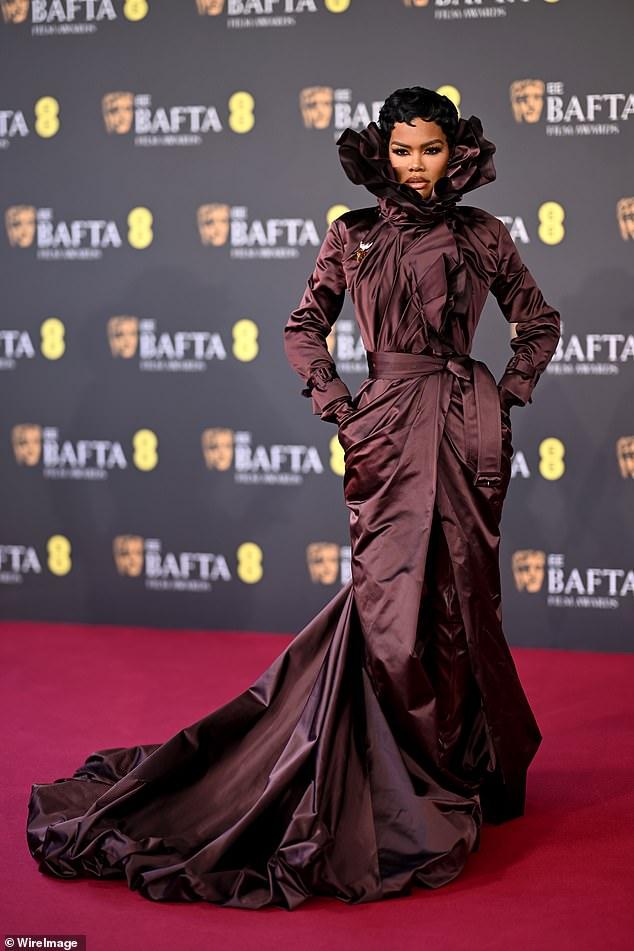
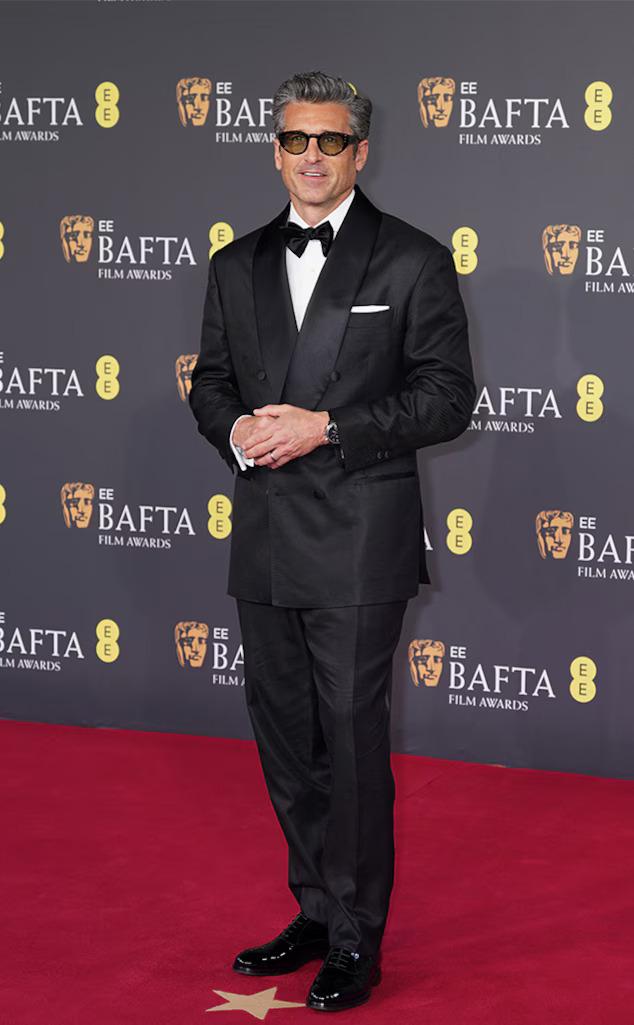
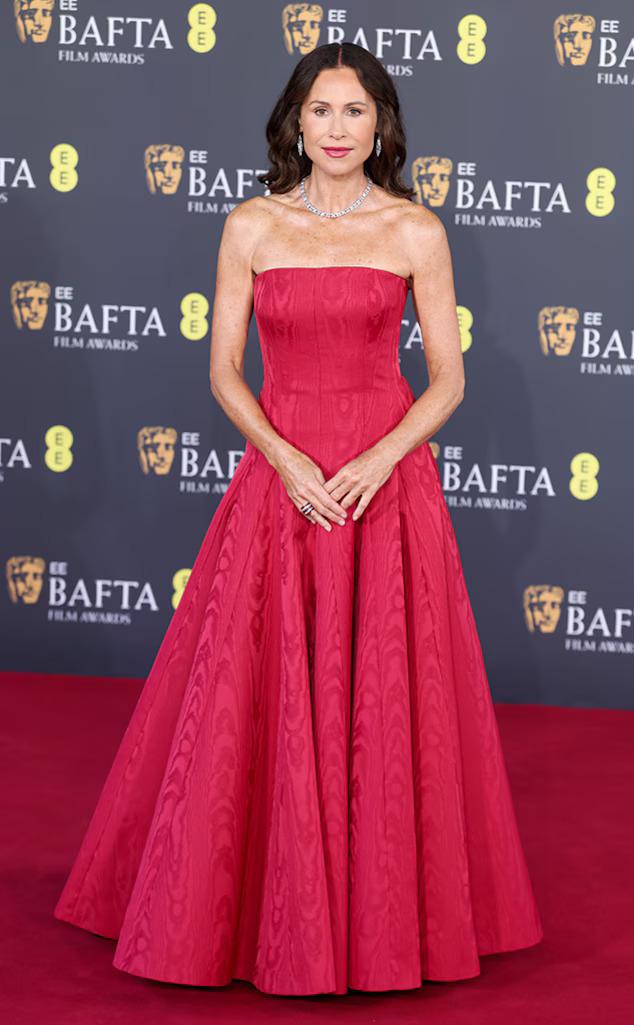
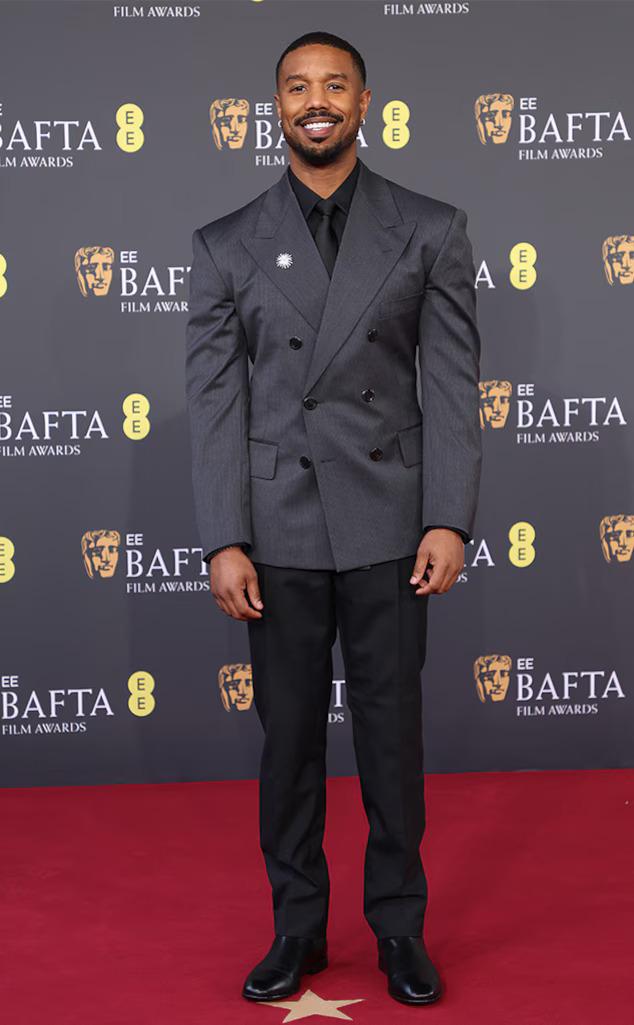
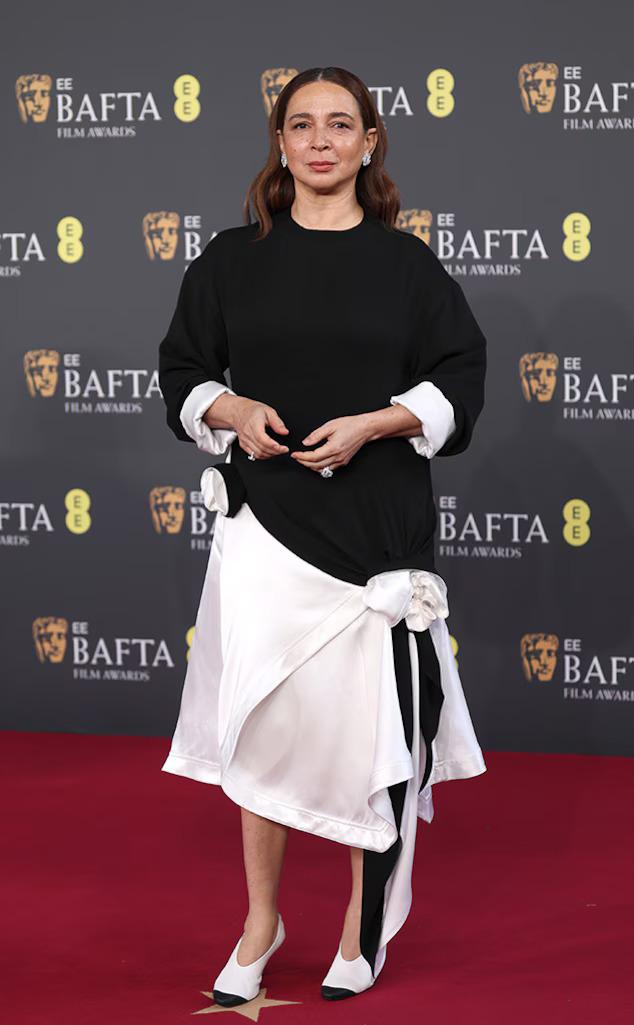
Fashion and red-carpet moments once again played a vibrant role in the evening’s cultural narrative. While BAFTA is primarily about the art of film, the glamour of the red carpet and its high-profile attendees underscored the ceremony’s place as a highlight of awards season. From established stars to breakout performers, the event brought together a cross-section of cinema’s creative community in celebration of shared achievements.
In addition to awarding accomplishments from the previous year, the 2026 BAFTAs offered a barometer for the broader awards season, often predicting trends and setting the tone ahead of the Oscars. The diversity of winners, from international films to genre staples and rising stars, suggested that this year’s cinematic landscape is dynamic, inclusive, and rich in storytelling variety. As the night concluded at the Royal Festival Hall, the 2026 BAFTAs affirmed their role as a vital celebration of film culture both within the United Kingdom and around the world. With its blend of tradition and innovation, the ceremony honoured established masters, celebrated bold new voices, and showcased the full range of artistry that cinema can achieve.