 |
| By: Fazra Irfan |
There's a moment every parent waits for; that first wobbly step. The camera comes out, the grandparents are called, and we celebrate like our child just won an Olympic gold medal. And we should. It's magic. But here's what nobody tells you: that first step isn't just a milestone. It's a message. It's your child's body saying, "I'm ready for the next thing." And if we learn to read these messages, all of them, not just the big, obvious ones, we can support our children in ways that feel almost like cheating. Milestones aren't random. They aren't isolated events we tick off a checklist. They connect. They build on each other. They are nature's way of handing us a roadmap -if only we stop to look.
The Problem with Good Intentions
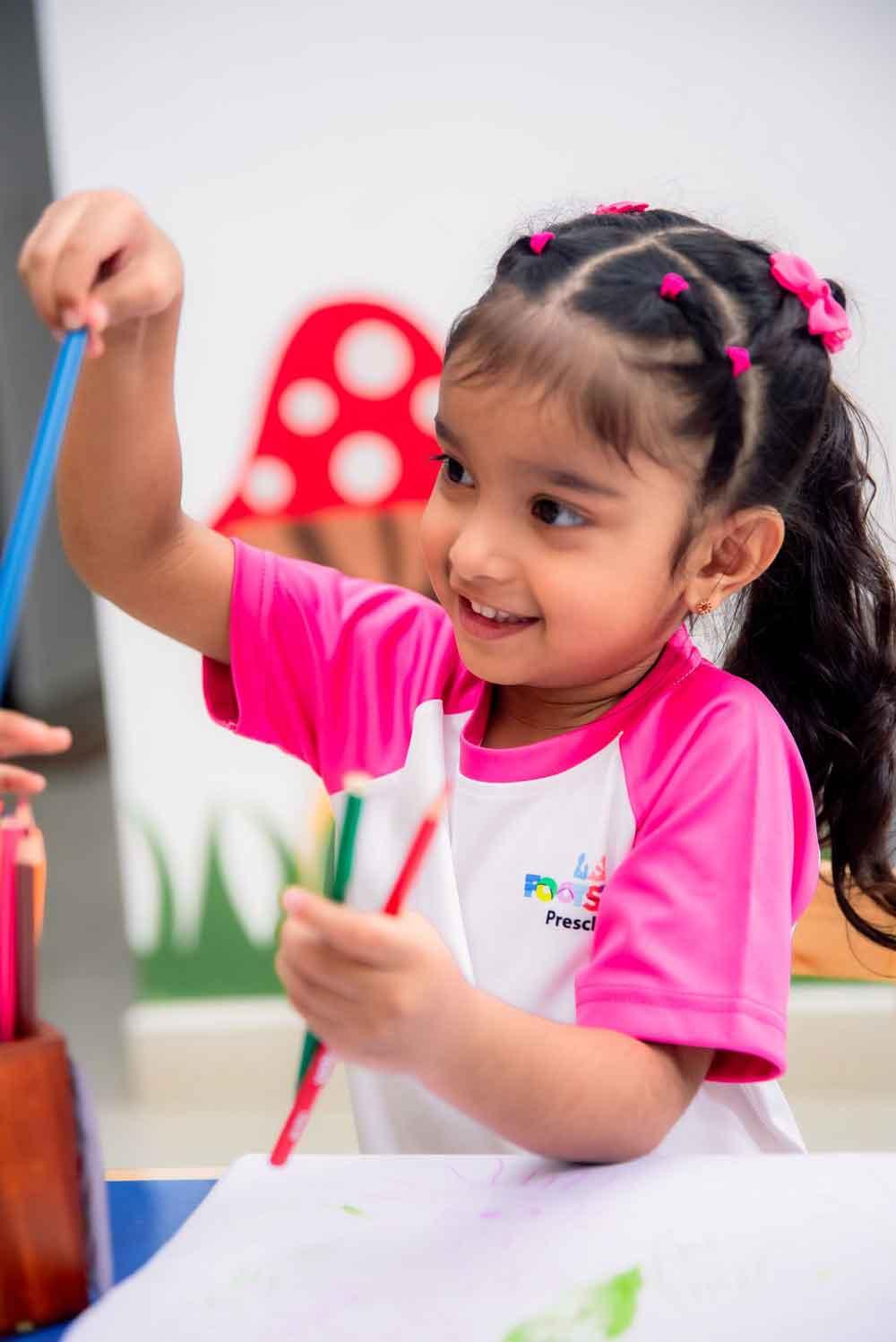
Here's a scene I've seen too many times. A bright, eager two-year-old sits at a tiny desk. In front of them is a worksheet. They're supposed to trace letters. Their hand isn't ready. Their eyes aren't ready. Their brain isn't ready. But the adults mean well; they want this child to get ahead. Except here's the truth: you cannot rush a milestone. And when you try, you don't get ahead. You just create frustration. The child learns that writing is hard, that learning feels bad, that they are somehow "failing" at something they were never meant to do in the first place. That feeling doesn't disappear when their body finally catches up. It lingers. It becomes part of their story about themselves and school. This is the hidden cost of ignoring the roadmap.
Milestones Are Nature's Curriculum
Every child is born with an internal developmental sequence. It didn't come from a textbook or a government guideline. It was shaped by thousands of years of human evolution, written into their bones and brains. First, they lift their head. Then they roll. Then they sit, crawl, stand, walk, run, jump. First, they coo. Then they babble. Then they point, gesture, say one word, then two, then sentences that never seem to end. This sequence is not random. Each milestone lays the foundation for the next. You cannot build the second floor of a house without the first floor. You cannot teach a child to write before their body is ready to hold a pencil steady. You cannot teach a child to read before their brain has built the neural pathways that connect sounds to symbols. The skills that come later depend entirely on the skills that come before. And yet, in our rush to give children "a head start," we keep trying to skip steps. We hand two-year-olds pencils and three-year-olds flashcards, believing we are giving them an advantage. In reality, we are asking them to build on ground that hasn't been prepared.
A Crime We Commit Without Realizing
I don't use the word "crime" lightly. But let me explain. When we give a two-year-old a pencil and ask them to form letters, we are asking them to do something their body literally cannot do. The small muscles of their hand aren't developed yet. The connection between their eyes and their hand isn't fully formed. Their brain is still busy building the foundation for language; through hearing words, not writing them.
What happens next? The child struggles. They get frustrated. They decide, somewhere deep inside, that writing is hard, and learning feels bad. And those feeling sticks. We didn't mean to harm them. We meant to help. But we ignored the milestones, and the milestones pushed back. This same misunderstanding shows up in smaller ways we don't even think about.
Take teeth, for example. When those first sharp little teeth appear, many parents see only the challenges; the fussiness, the drool, the things getting chewed that shouldn't be. But teeth are also a signal. They mean a child's mouth is ready for something new. Biting, chewing, and crunching aren't just about eating, they are strengthening the same muscles that will later be used for speech. The jaw, the lips, the tongue, all of this work together when a child chews a piece of toast or gnaws on a teething ring. Every bite strengthens. Every crunch prepares. A child who is kept on purees too long misses out on this essential workout for the muscles they'll need to form clear sounds and words. So, when we delay introducing textures because it's easier or less messy, we aren't protecting them. We're delaying the development of the very muscles they need to speak. The child who struggles with certain sounds at age four may not have a speech problem at all, they may simply have missed the chance to strengthen their mouth muscles during the window when they were ready. This is why understanding milestones matters so much. Not to turn parenting into a science experiment. But to protect children from our own good intentions.
Milestones are not a checklist to race through. The children are telling us what they need at every stage. Through their teeth, their tears, their endless questions, their sudden bursts of energy, their frustrations and their fascinations; they are communicating. We just have to listen. They have been guiding human development for thousands of years. Trust the process. It unfolds exactly as it should, in its own time. And most of all, trust the child in front of you. They know exactly where they're going. They're just waiting for us to pay attention.