Raising Creative Humans: A Letter to Parents
A child sits on the floor with a cardboard box. To an adult, it's just a box. Something destined for recycling. But to that child? It's a spaceship. A cave. A castle. A hundred different things limited only by what their mind can imagine. This isn't just cute. It's not just play. It is the foundation of everything.
What We're Getting Wrong About Creativity
When we hear "creativity," many of us think of art class. Painting and singing. Something nice to have but separate from "real learning." This misunderstanding is costing our children dearly. Creativity is not about making pretty pictures. It is about making connections. It is about looking at the same thing everyone else sees and seeing something different. It is about wondering "what if?" and "why not?" These are not soft skills. They are the very skills that build the brain. Every time a child pretends, imagines, or wonders, their brain lights up. Neural pathways form. Connections are made between different regions of the brain. They learn to hold multiple ideas at once, to shift perspectives, to solve problems with no single right answer. This is the work of the early years. And it matters more than we realize.
The Truth About Early Learning
The early years are not primarily about knowing ABCs. They are not about reciting numbers or writing names neatly. These things will come when the brain is ready. What the early years are actually about is something far more foundational: executive functioning. This is the brain's air traffic control system. It includes self-regulation, flexible thinking, working memory, focus, and problem-solving. These skills predict success in school and life more reliably than early reading or math.
How Creativity Builds the Brain
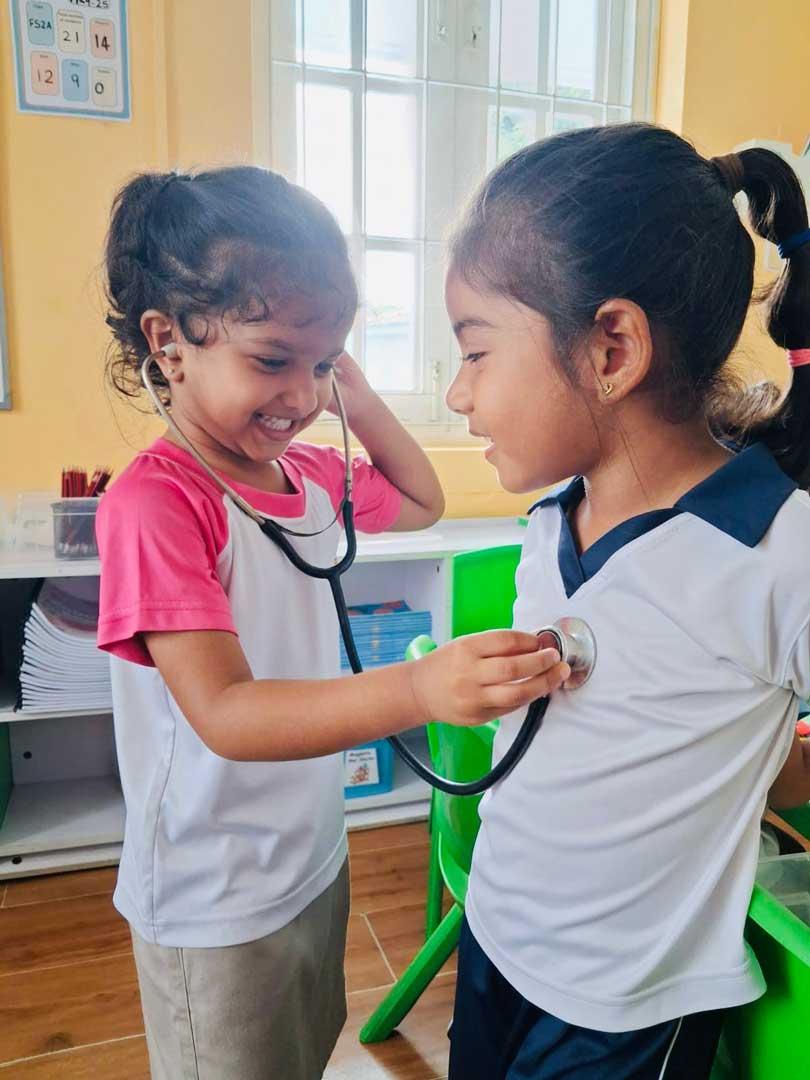
Watch a child engaged in pretend play and you are watching executive function in action. When two children decide they're going to be astronauts heading to the moon, they have to agree on the story. That requires negotiation and flexible thinking. They have to remember who is playing what role. That's working memory. When one wants to be captain and the other does too, they have to manage feelings and find a solution. That's self-regulation. When the cardboard box "spaceship" needs a control panel, they have to figure out how to make one. That's problem-solving. None of this looks like "academics." But it is the foundation upon which all later academics will rest.
The child who has spent years imagining, creating, and solving pretend problems arrives at school with a brain that knows how to think. They can hold multiple ideas. They can persist when something is hard. They can see more than one way to solve a problem. The child who has spent those same years doing worksheets and drilling flashcards may know their letters earlier. But they haven't built the same neural infrastructure. They may struggle when the work requires original thinking, when there's no single right answer. This is the hidden curriculum of early childhood. And we're missing it.
What Creativity Actually Looks Like
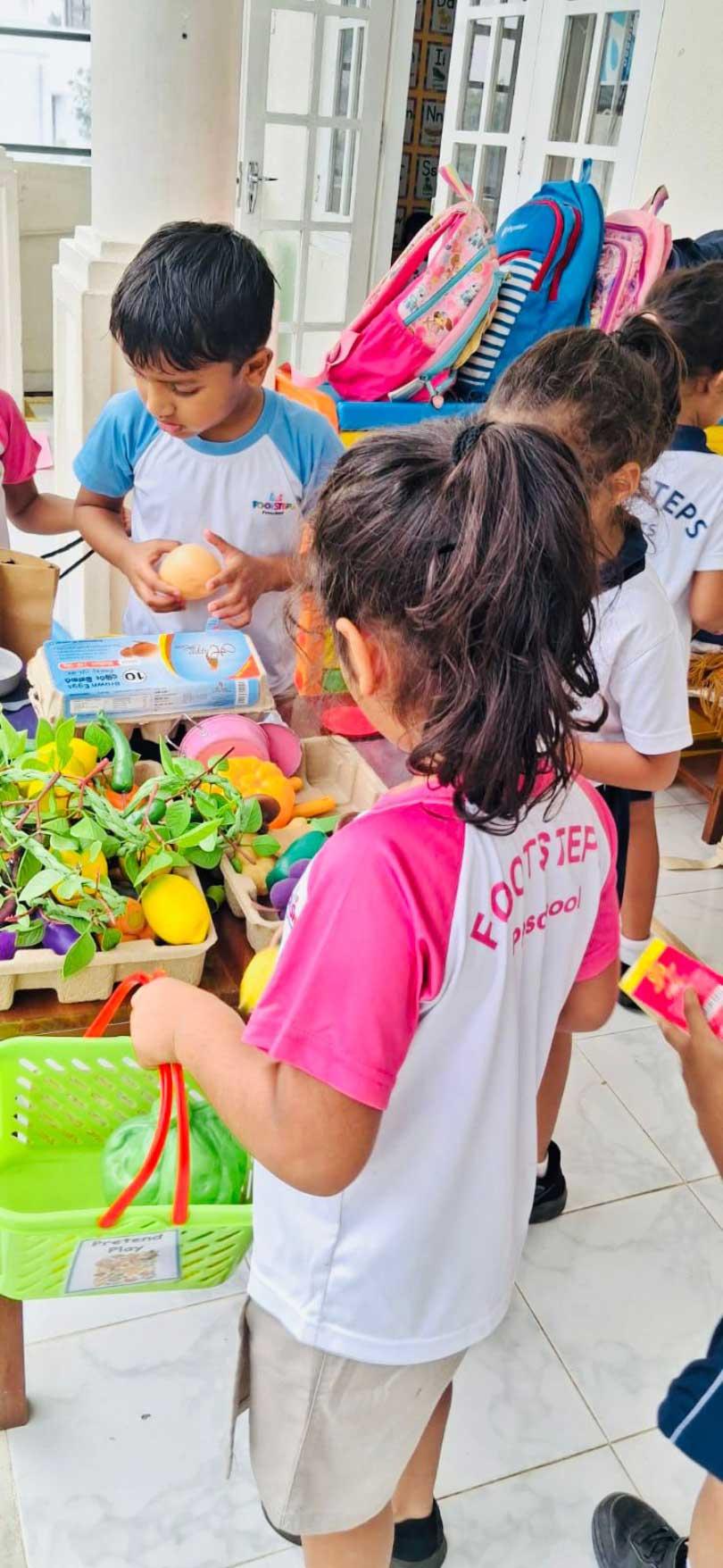
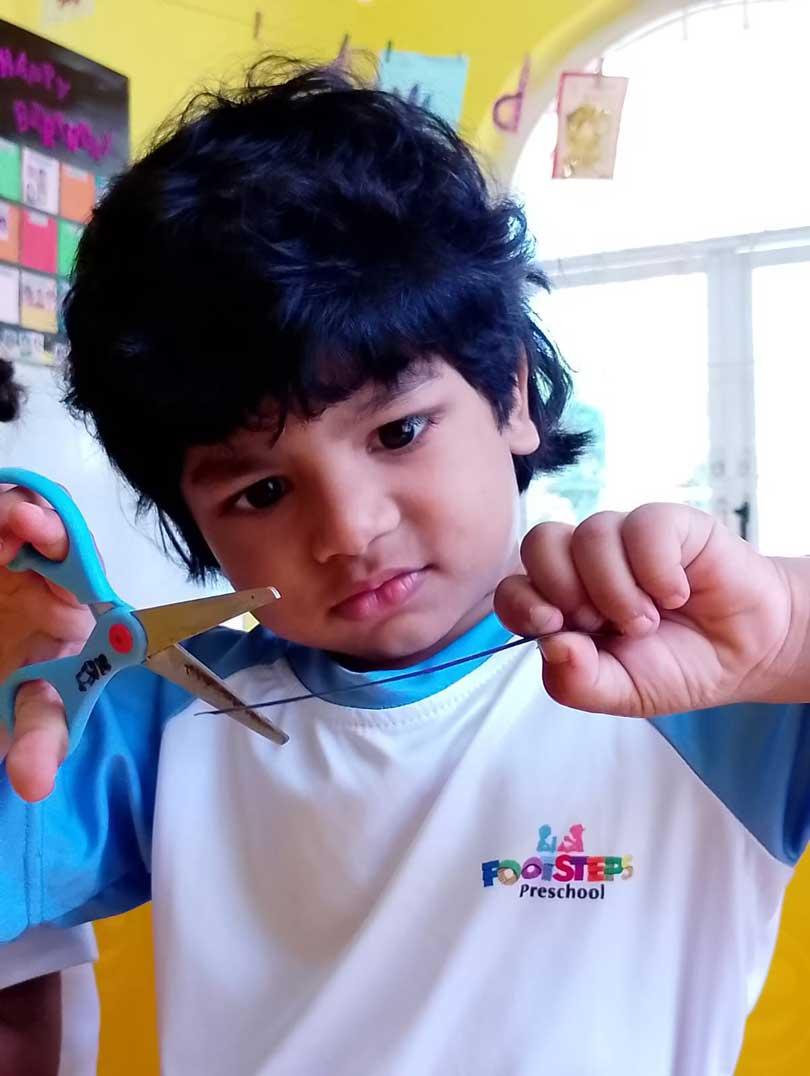
Creativity in the early years isn't about producing something impressive. In fact, the most creative moments often look like nothing at all. It looks like a toddler who turns a spoon into a phone and has a conversation. A preschooler who spends an hour arranging blocks, knocking them down, and starting again. A child who asks, "why is the sky blue?" and actually listens. Two children arguing about the rules of a game they just invented. A four-year-old who tells you a story that goes on and on, full of twists and characters. These moments aren't messing around. They are brain-building at the highest level.
Why This Matters for Future Learning
The child who has practiced flexible thinking through pretend play can more easily grasp that letters can make different sounds. The child who has solved a hundred imaginary problems can more easily tackle a real math problem. The child who has negotiated roles and stories with friends can more easily collaborate on group projects. A brain rich with imaginative experiences has more hooks to hang new knowledge on. More pathways for new information to travel. More capacity for original thought. The child who has been encouraged to create doesn't just learn facts. They learn how to think about facts. How to use them, question them, and build something new with them. This is what the world needs. Not children who can recite, but children who can think.
What Gets in the Way
The sad truth is that creativity is being squeezed out of early childhood. In our rush to prepare children for school, we've narrowed our idea of what "learning" looks like. We fill their days with structured activities and early academics. We value products over processes. We want something we can measure. We've become so afraid of our children falling behind that we've robbed them of the very thing that will help them get ahead: the chance to think for themselves.
What We Can Do Instead
Protect unstructured play. Not play with a goal attached. Just time and space for children to figure things out on their own. Ask different questions. Instead of "What did you make?" try "Tell me about your picture." Instead of fixing their problems, try "What do you think we could do?" Provide open-ended materials. Blocks, boxes, sticks, stones, water, sand. Things that can become anything. Resist filling every moment. Boredom is not the enemy. It is the birthplace of imagination. When children are bored, they invent. They create. And in doing so, they build skills for a lifetime. Value process over product. The scribble that looks like nothing may have a whole story behind it. The block tower that keeps falling isn't failure; it's persistence and problem-solving. Next time you see a child with a cardboard box, resist the urge to throw it away. Next time a child asks a question you don't know the answer to resist the urge to brush it off. What looks like nothing to you is everything to them. It is brain-building. It is foundation-laying. It is the work of becoming a person who can think, create, and imagine. The ABCs will come. The numbers will come. The skills will come. But first, let them build the brain that will hold it all. Trust the box. Trust the scribble. Trust the questions. And most of all, trust the child in front of you. They are building something magnificent; even when it doesn't look like much at all.