The Red String Theory: An Invisible Bond That Transcends Time.
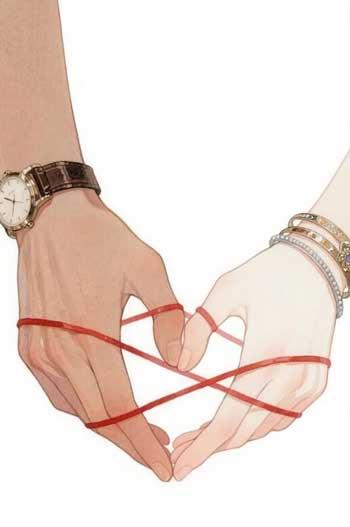
In a world driven by logic, technology, and carefully planned futures, the idea that destiny quietly shapes our most meaningful relationships can feel both comforting and magical. The Red String Theory sometimes called the Red Thread of Fate is one such belief that has fascinated generations. It proposes that an invisible red thread connects individuals who are meant to meet, regardless of time, distance, or circumstance. Though rooted in East Asian mythology, its emotional truth resonates universally, transcending culture and geography.
Ancient Origins, Timeless Meaning
The legend originates from Chinese folklore and is closely associated with Yue Lao, the divine matchmaker believed to oversee marriages and romantic unions. According to the myth, Yue Lao ties a red thread around the ankles or in some interpretations, the little fingers of those destined to be together. No matter how tangled the thread becomes, and no matter how far apart the individuals travel, the string will never break. In Japan, a similar belief exists under the concept of enishi, referring to the mysterious ties of fate that bind people together. Over time, the red thread became a poetic symbol of connection a visual metaphor for destiny working quietly behind the scenes. What makes the legend powerful is its simplicity. It does not promise an easy journey, only an inevitable meeting.
Symbolism of the Red Thread
The symbolism embedded in the Red String Theory adds to its emotional depth. The colour red traditionally represents passion, vitality, strength, and love. It is bold and impossible to ignore much like the transformative relationships that alter the course of our lives. The thread itself represents continuity and resilience. It may stretch under pressure, twist during conflict, or tangle in misunderstanding, but it remains intact. At its core, the theory suggests that some connections are not random. Instead, they are part of a greater design one that unfolds gradually and often unexpectedly. It reframes coincidence as destiny and gives meaning to chance encounters that feel too significant to dismiss.
Beyond Romance: A Broader Interpretation
Although frequently linked to romantic soulmates, the Red String Theory extends beyond love stories. It can symbolize friendships that withstand years of separation, mentors who appear at pivotal life moments, or professional partnerships that shape entire careers. Sometimes the “red string” connects us not to a lifelong companion but to someone who teaches us a crucial lesson before stepping away. In modern life, where relationships often feel fleeting and transactional, this belief encourages deeper appreciation. It reminds us that meaningful bonds are rare and valuable. Not every connection is destined to last forever, but each may serve a purpose within our personal journey.
 Influence in Contemporary Culture
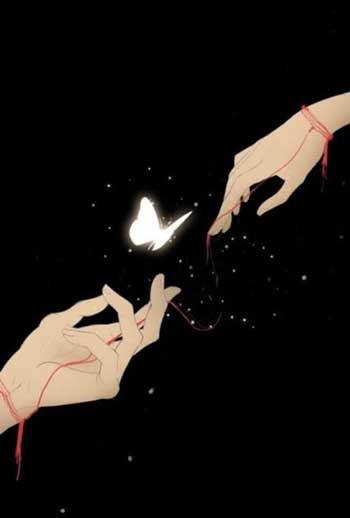
The Red String Theory has found renewed life in modern storytelling. It appears frequently in Asian dramas, novels, manga, and animated series, often portraying lovers separated by circumstance who reunite years later. The theme of destiny weaving lives together sometimes across lifetimes continues to captivate audiences worldwide. Outside entertainment, the red thread has become a popular symbol in fashion and art. Red string bracelets are gifted as tokens of connection and protection. Artists incorporate delicate strands into installations to visually represent invisible human bonds. Even social media culture has embraced the concept, with people describing profound relationships as “red string moments.” In an age where algorithms suggest friendships and dating apps filter compatibility, the Red String Theory offers something different the idea that not everything can be calculated. Some connections are simply meant to be.
Why It Matters Today
The enduring appeal of the Red String Theory lies in its emotional reassurance. Modern life can feel uncertain, fast-paced, and isolating. Relationships begin and end with a swipe. Friendships drift due to career moves or migration. In such a climate, the thought of an unbreakable invisible thread offers comfort. Believing in destined connections can foster patience and hope. It encourages individuals to remain open to new encounters, trusting that life will introduce the right people at the right time. At the same time, the theory teaches resilience. Just as the red string may stretch without breaking, strong relationships can endure trials and misunderstandings. However, the concept should not be confused with blind faith in unhealthy bonds. Destiny does not justify ignoring red flags or abandoning personal boundaries. Sometimes, people enter our lives not as permanent fixtures but as stepping stones leading us closer to who we are meant to become.
A Philosophy of Connection
Ultimately, whether taken literally or metaphorically, the Red String Theory speaks to a universal human need: the desire to feel connected. It reassures us that our lives intersect for reasons beyond coincidence. It suggests that somewhere, someone’s path is gently intertwined with ours. Perhaps the beauty of the Red String Theory lies not in proving that fate controls us, but in inspiring us to value the relationships we have. It invites reflection on the friendships we almost lost but rediscovered, the strangers who became family, the moments that felt accidental but changed everything. In a fragmented world, the image of an invisible red thread quietly linking hearts across time and space remains powerful. It reminds us that no matter how far we travel or how much we change, certain connections are written into our story waiting patiently to unfold.