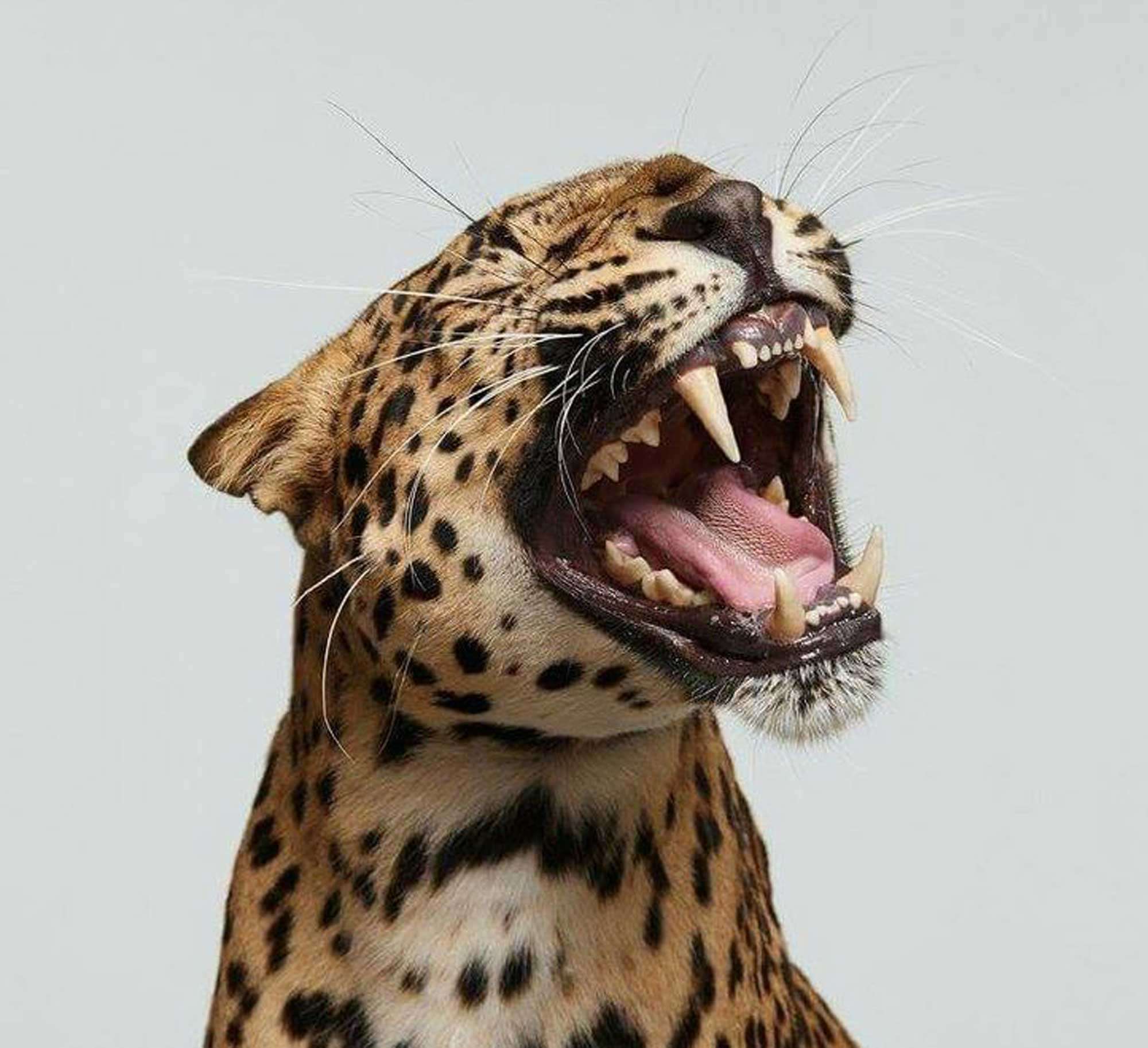
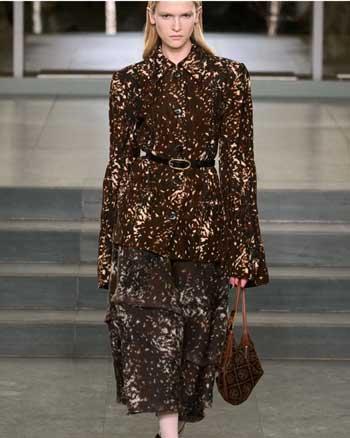
 For decades, animal print in fashion meant one thing: leopard. Bold, glamorous, slightly dangerous, and unmistakably statement-making, leopard print has long symbolised a particular kind of confidence. It evoked nightlife in the early 2000s, power dressing in the 1980s, and more recently, the hyper-feminine excess of the “mob wife” aesthetic that dominated social media feeds. Leopard was never subtle. It was designed to be seen, to command attention, to perform. But at recent fashion weeks, particularly New York Fall/Winter 2026, something softer, more nuanced began to emerge. Designers and stylists are quietly moving away from the obvious big-cat aesthetic and towards a new generation of animal-inspired prints. Zebra stripes appeared in tailored silhouettes. Dalmatian spots showed up in fluid, wearable pieces. And an entirely new mood surfaced in what some editors are calling “Bambi print” – delicate, deer-inspired motifs rendered in warm fawn tones, subtle speckling and gentle gradients. The wild is back. But it has evolved.
Leopard Fatigue and the End of Excess
Leopard print has been recycled so many times that it has, in some ways, become predictable. Its associations are now loaded: seduction, drama, power, rebellion. While those qualities are not inherently dated, repetition has dulled their impact. What once felt daring can now feel overly familiar. Fashion, however, is always cyclical. After seasons dominated by quiet luxury, beige palettes, minimalist tailoring, clean lines and restrained silhouettes, there is once again an appetite for pattern. The difference this time is intention. Instead of maximalist chaos, designers are offering controlled expressions of wildness. Pattern is returning, but with discipline. Rather than loud glamour, zebra stripes are being styled with sharp tailoring and architectural silhouettes. Instead of bold brown-and-black leopard spots, speckled Dalmatian prints are appearing in refined monochrome palettes. The mood is not about provocation. It is about precision. Animal print, once synonymous with spectacle, is being re-imagined as part of a more thoughtful visual language.
Zebra: Graphic, Clean, Modern
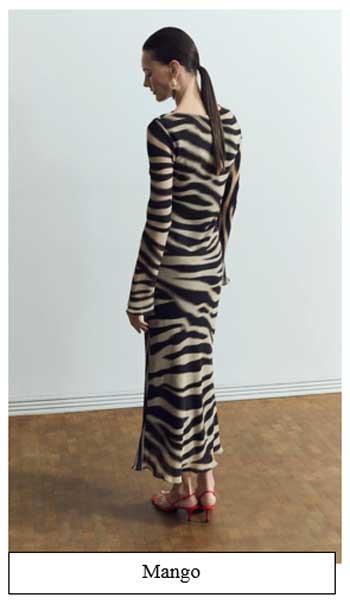
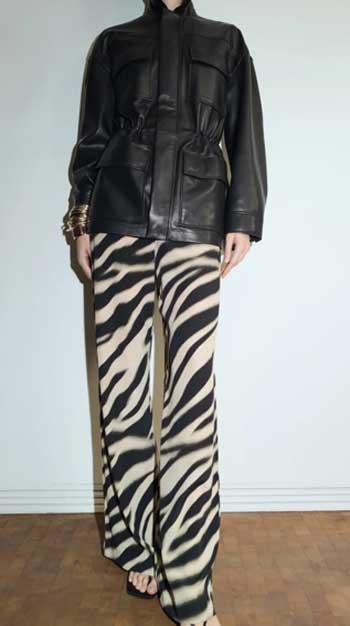
Among the new wave of animal prints, zebra is emerging as the most sophisticated. Unlike leopard, which carries heavy cultural and stylistic baggage, zebra feels strikingly modern. Its black-and-white stripes are graphic and architectural, lending themselves naturally to structured dresses, tailored trousers and elongated skirts. There is an inherent clarity to zebra print. The contrast is bold, but the palette is restrained. This makes it particularly versatile: it can be styled dramatically or pared back to feel almost minimalist. When paired with crisp shirting, sleek flats and neutral makeup, zebra reads elegant rather than chaotic. It becomes less about wildness and more about line, movement and form. In this sense, zebra is animal print for the modern minimalist. It offers visual interest without overwhelming an outfit. It works just as easily in corporate-leaning tailoring as it does in fluid eveningwear. It signals confidence without theatrics.
 Dalmatian: Playful Without the Noise
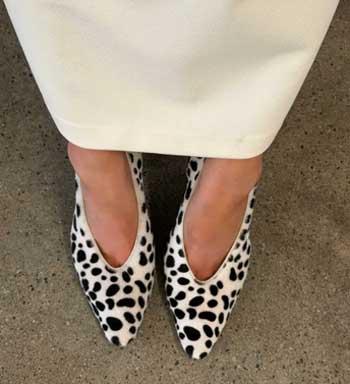
Dalmatian print, soft black spots on white or cream, is emerging as a lighter, more playful alternative to traditional animal motifs. Where leopard can feel heavy and intense, Dalmatian reads fresh and airy. There is something almost whimsical about its irregular spotting, but when rendered in refined fabrics and silhouettes, it becomes surprisingly polished. Because it lacks the deep browns and golds of leopard, Dalmatian print works especially well in warmer climates. A Dalmatian-print slip dress paired with simple sandals feels effortless rather than overpowering. A blouse with subtle black speckles can elevate an otherwise neutral outfit without dominating it. This is pattern without intensity. It offers personality without performance. In a fashion landscape increasingly defined by ease and wearability, Dalmatian print feels aligned with how women are actually dressing: expressive, but practical; playful, but not performative.
The Emergence of “Bambi” Print
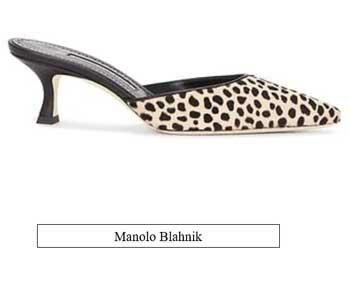
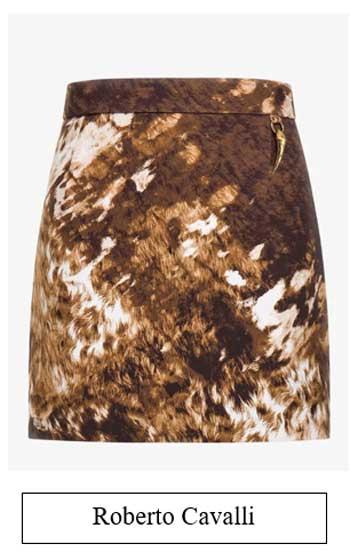
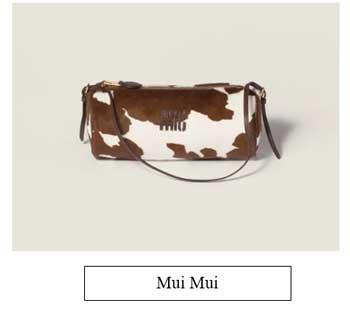
Perhaps the most interesting development within this shift is what could be described as “Bambi print.” This is not about literal cartoon imagery or novelty motifs. Instead, it reflects a broader aesthetic movement toward gentler interpretations of nature. Think fawn-coloured palettes, soft brown gradients, delicate speckled fabrics and subtle woodland references. Where traditional animal print was rooted in ideas of dominance and seduction, Bambi-inspired print romanticises nature rather than dramatizing it. It evokes softness, instinct and quiet sensuality. There is a tenderness to these tones and textures that feels emotionally resonant in the current cultural moment. This new animal print language taps into femininity without aggression. It suggests confidence without performance. It reflects strength that is internal rather than projected. In many ways, it aligns perfectly with fashion’s evolving definition of power: less about being loud, more about being assured.
Why It Feels Right for 2026
Fashion rarely exists in isolation. It reflects broader cultural and emotional shifts. The move toward softer animal prints mirrors a change in how women are choosing to express themselves through clothing. Today, women are no longer dressing primarily to shock. Nor are they hiding behind rigid minimalism. Instead, there is a growing preference for pieces that feel expressive but intentional. Clothing is becoming a form of self-definition rather than performance. Zebra, Dalmatian and Bambi prints offer exactly that: pattern without excess, character without chaos. These prints also translate seamlessly beyond the runway. In warmer climates in particular, they work beautifully in lightweight dresses, flowing skirts, relaxed blouses and even statement sandals. Their versatility makes them accessible, not aspirational in a distant, untouchable way. They can be worn to brunch, to work, to travel, to evenings out. The key lies in balance. Let one piece speak. Keep everything else simple. These new animal prints are designed to enhance an outfit, not dominate it.
A Quieter Kind of Wild
So, is animal print back? Absolutely. But it is no longer roaring for attention. It is evolving. The new wild is not about drama. It is about texture, instinct and quiet confidence. It reflects a generation of women who are comfortable embracing softness alongside strength, pattern alongside restraint. Animal print has moved away from being a costume of power and toward becoming a subtle language of self-expression. Perhaps that is the most interesting shift of all.