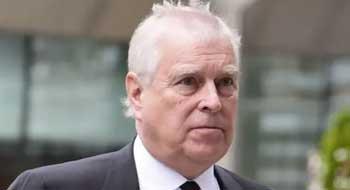
 By: Giselle Gunewardene
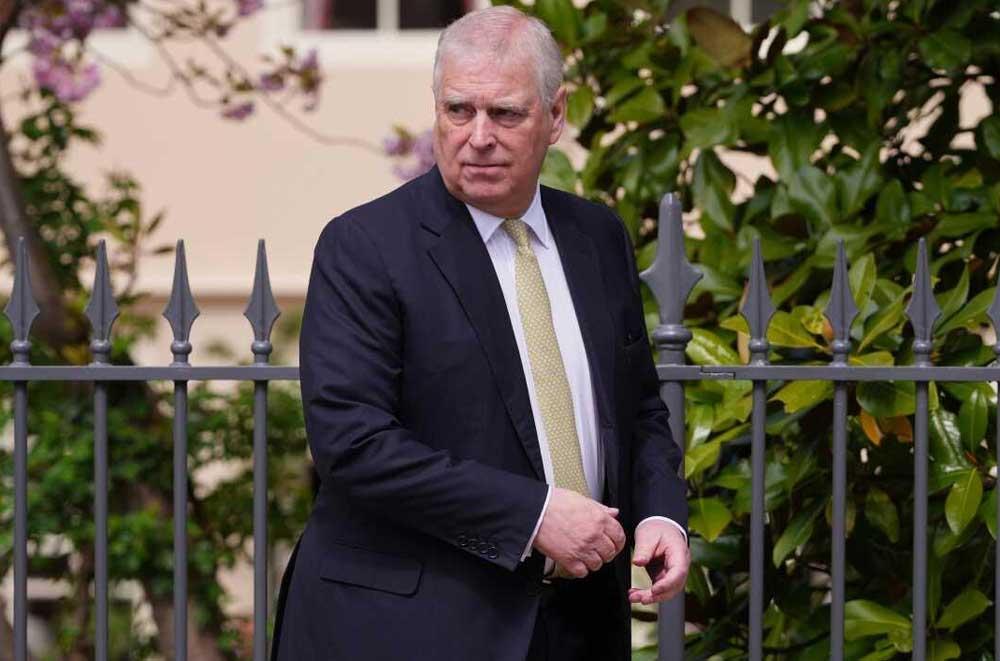
On the 19th of February 2026, Andrew Mountbatten-Windsor, the younger brother of Britain’s King Charles III and a once-prominent figure in the British royal family, was arrested by police in a move that has reverberated across the United Kingdom and around the world. The former prince was taken into custody on ‘suspicion of misconduct in public office,’ marking the first time in modern history that a senior member of the royal family has been arrested by UK law enforcement. The arrest came after years of controversy surrounding Mountbatten-Windsor’s association with the late financier Jeffrey Epstein, whose criminal activities and network of powerful contacts have been the subject of intense scrutiny in recent years. The developments have triggered legal, political, and constitutional debate about accountability, the rule of law, and the place of the monarchy in contemporary Britain.
Background: From Royal Prince to Private Citizen
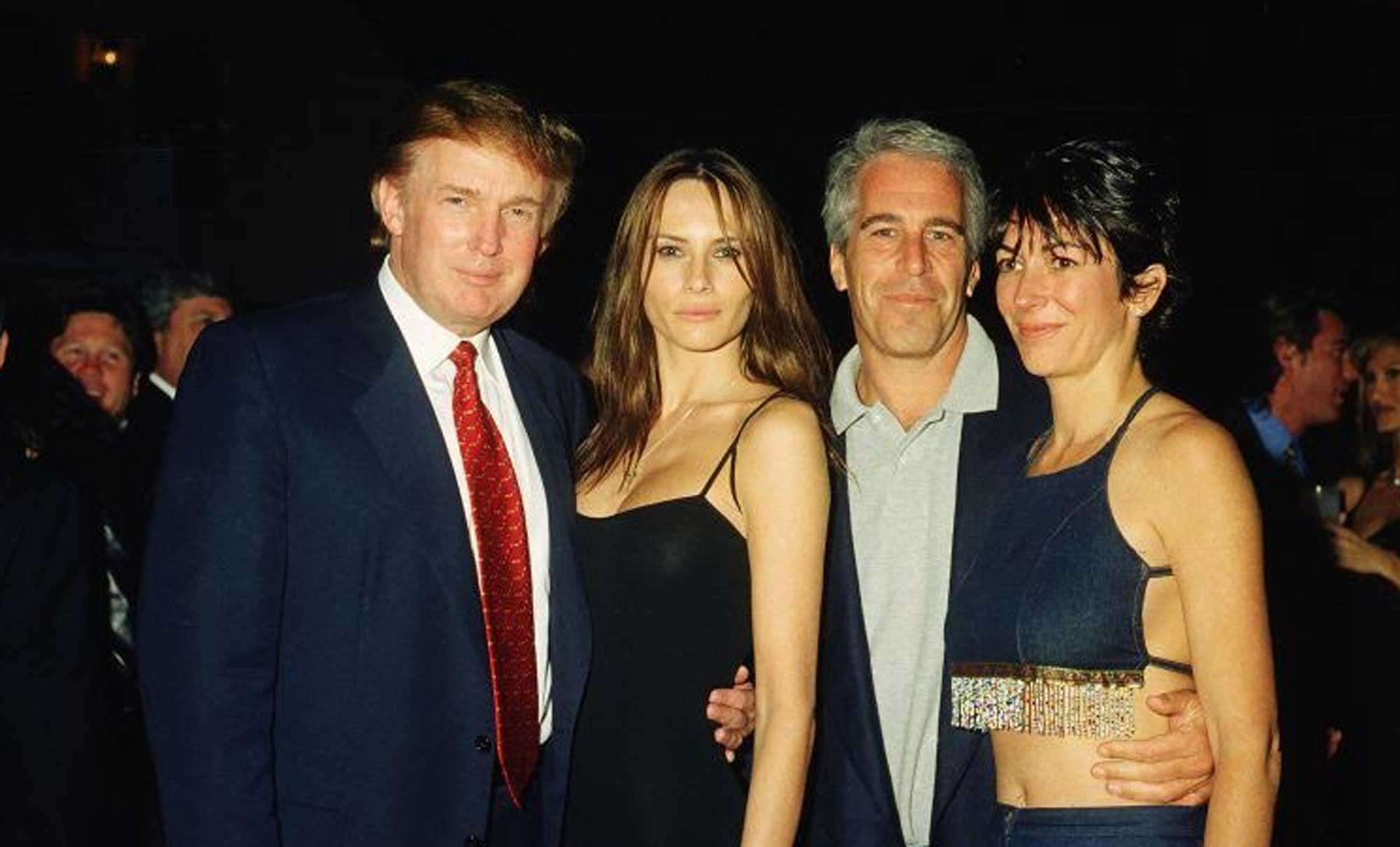
Andrew Mountbatten-Windsor was born on the 19th of February 1960, the second son of Queen Elizabeth II and Prince Philip, Duke of Edinburgh. For much of his early life he carried out duties as a working member of the royal family, including serving in the Royal Navy where he saw active duty during the Falklands War. In later years he became involved in international trade and representation, acting as a special representative for trade and investment. His public role changed dramatically after his friendship with Jeffrey Epstein, the US financier who was convicted of sex offences, became the focus of intense criticism. Mountbatten-Windsor repeatedly denied any wrongdoing connected to Epstein, but the controversy damaged his reputation and public standing. In 2022, he reached a civil settlement with an Epstein accuser in the United States, without admitting liability. Later actions by the monarchy saw his honorary military affiliations and royal patronages removed, and by 2025 King Charles III formally withdrew Andrew’s remaining titles and honours. By the time of his arrest in February 2026 Andrew Mountbatten-Windsor was no longer referred to as a prince in official royal contexts, and he lived on the private Sandringham estate in Norfolk after leaving the Royal Lodge residence in Windsor.
The Arrest and Investigation
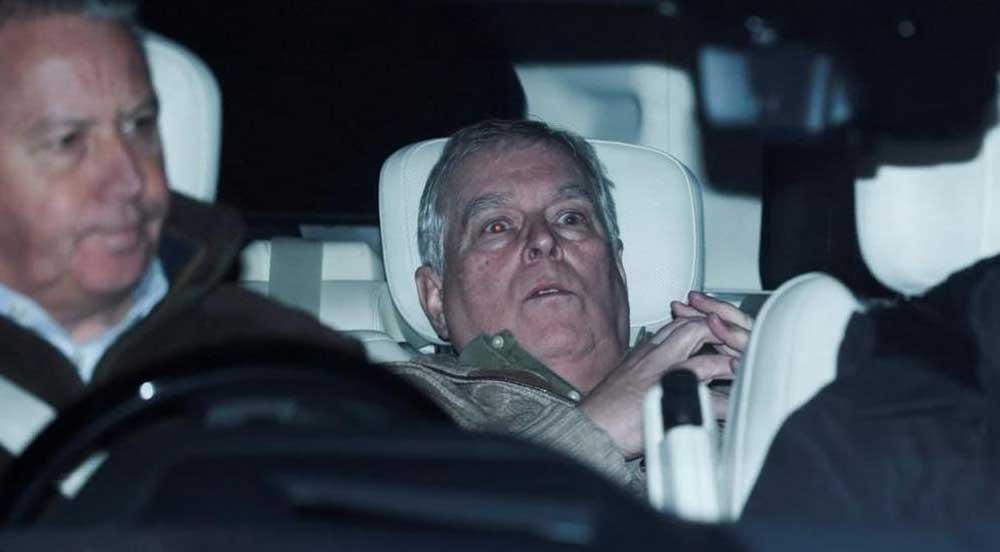
In the early hours of Thursday, 19th of February 2026, unmarked police vehicles arrived at Wood Farm, the residence where Mountbatten-Windsor was living on the Sandringham estate. Officers from Thames Valley Police, which has jurisdiction in parts of southern England including areas west of London, executed the arrest on suspicion of misconduct in public office.
Misconduct in public office is a serious common law offence in the UK, involving the abuse or neglect of the responsibilities entrusted to someone holding a public position. The offence can carry a maximum sentence of life imprisonment, though successful prosecutions require evidence of intentional or gross misconduct in relation to the exercise of public functions. The police operation also involved searches of addresses associated with Mountbatten-Windsor, including his former home at the Royal Lodge in Windsor Great Park. Officers spent much of the day searching properties as part of their investigation. Mountbatten-Windsor was taken to Aylsham police station in Norfolk, where he was questioned by detectives for around 11 to 12 hours. In the evening, he was released under investigation. Being released under investigation means the police inquiry remains active, but no charges have yet been brought against him.
Police have not elaborated on specific allegations, and official statements have been limited. Thames Valley Police confirmed the arrest and release but said they would not provide further details at this stage, citing legal restrictions intended to protect the integrity of ongoing investigations.
Why Was He Arrested?
The arrest appears to be connected to revelations in the Epstein files, a large cache of documents released by the US Department of Justice covering Epstein’s activities and contacts with powerful individuals. Some of these documents include email correspondence that suggests Mountbatten-Windsor may have shared information linked to his official duties with Epstein.
Specifically, reports indicate that while serving as the UK’s trade envoy around 2010 and 2011, he may have shared confidential documents and reports related to official trips to countries including Singapore and Vietnam with Epstein, and in at least one instance sought Epstein’s views on investment opportunities in Afghanistan. Such conduct, if proven, could amount to misconduct in public office given the expectation that sensitive information obtained through official duties is protected and not shared with unauthorised individuals. Mountbatten-Windsor has consistently denied any wrongdoing related to the Epstein affair, and he did not personally respond to the arrest at the time.
Reactions: Royal Family, Political Leaders, and Public Response
The response from the monarchy and political leadership was swift and unequivocal in one key respect: the rule of law must be upheld. King Charles III issued a statement on the day of the arrest expressing his full support for the investigation and emphasising that “the law must take its course”. His comments underlined a clear departure from historical tendencies to shield members of the royal family from legal scrutiny. Prime Minister Keir Starmer and other senior political figures echoed that sentiment, stressing that no individual is above the law, regardless of status or connections. Responses from members of the public and advocacy groups were varied. Some saw the arrest as long overdue accountability for alleged misconduct, symbolising that even the privileged are subject to legal standards. Others expressed concern about the reputational impact on the monarchy and the potential constitutional implications of such a high-profile legal probe. Family members of Epstein accuser Virginia Giuffre, who died in 2025, welcomed news of the arrest as evidence that power and privilege do not place individuals above legal examination and potential justice.
Historical Significance
Legal experts have noted that the arrest of Andrew Mountbatten-Windsor is historically unprecedented in modern Britain. The last time a senior member of the royal family was arrested was more than 350 years ago, when King Charles I was detained before his execution during the English Civil War in 1647. The move by Thames Valley Police reflects a broader societal shift toward transparency and accountability, even when dealing with institutions traditionally seen as above ordinary scrutiny. It underscores that in contemporary Britain, the authority of the law can extend to the most elevated figures in national life.
What Happens Next?
At this stage, Mountbatten-Windsor remains released under investigation. This means police and potentially prosecutors will continue to gather and assess evidence to determine whether there is a sustainable case for charges. The threshold for bringing charges in misconduct in public office cases is high, requiring clear proof that the individual knowingly abused the responsibilities of a public role. If further evidence emerges and prosecutors decide to proceed, Mountbatten-Windsor could face a formal charge and ultimately a court trial. If not, the investigation could be closed without charges, though given the gravity and prominence of the allegations, any resolution is likely to be scrutinised by both national and international observers. The case also raises questions about cooperation between UK and US authorities. Some commentators have suggested that Mountbatten-Windsor could be called to provide testimony or evidence in related inquiries in other jurisdictions, depending on how international elements of the Epstein files are pursued.
The arrest of Andrew Mountbatten-Windsor on suspicion of misconduct in public office is a watershed moment in recent British history. It represents a significant assertion of legal equality before the law and marks a dramatic chapter in the long-running saga surrounding the royal family and the legacy of Jeffrey Epstein. As investigations continue, the United Kingdom watches closely; balancing the principles of due process with the public demand for accountability and transparency. Whatever happens next, this episode will be remembered as a defining moment for the monarchy, the justice system, and the concept of power in the modern era.