

Cancer is often thought of as a disease of the body, a battle fought in hospitals with chemotherapy, surgery, radiation, and medications. Yet, beyond its physical impact, cancer profoundly affects the mind and emotions of patients, caregivers, and even entire families. The psychological and emotional toll of a cancer diagnosis can be as significant as the medical treatment itself, shaping the patient’s quality of life, treatment adherence, and recovery.
As the world observes World Cancer Day on February 4th, it is crucial to recognize that mental health is an integral part of cancer care and awareness. Receiving a cancer diagnosis is a life altering event. For many, it triggers a cascade of intense emotions: shock, fear, sadness, anger, and uncertainty about the future. Even individuals who have been vigilant about their health and proactive in screenings can find themselves suddenly facing vulnerability and loss of control. This psychological upheaval is normal and understandable. Studies indicate that 30–50% of cancer patients experience significant distress at some point during their illness, ranging from anxiety and depression to post-traumatic stress symptoms.
Recognizing and addressing these emotional responses early is key to holistic care.
One of the primary psychological challenges following a cancer diagnosis is fear of the unknown. Patients often worry about the progression of the disease, treatment outcomes, side effects, and potential recurrence. The mind can become overwhelmed with “what ifs,” making it difficult to focus on the present or maintain a sense of control. Anxiety stemming from uncertainty can interfere with sleep, appetite, and daily functioning, compounding the physical toll of the illness. Health professionals encourage patients to ask questions, seek clarity from their medical team, and participate in treatment planning. Knowledge empowers patients and helps reduce the paralyzing effects of fear. Another emotional hurdle is the loss of control. Cancer can strip individuals of independence, alter routines, and impose new limitations on daily life. This sudden disruption can provoke frustration, helplessness, and even resentment. Patients who were once highly active and self-reliant may find themselves dependent on caregivers, medical equipment, or hospital routines. Psychologists and counselors often recommend that patients reclaim control in small but meaningful ways choosing daily activities, planning meals, or deciding on personal care routines. These small decisions help restore a sense of autonomy and purpose during a time of uncertainty.
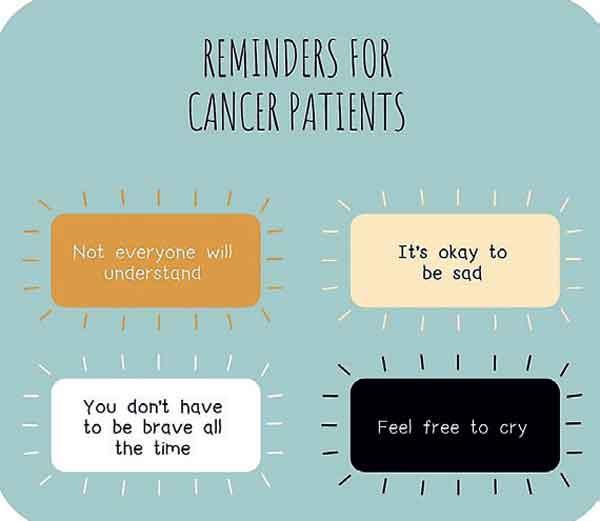
Body image and identity are also deeply affected by cancer and its treatment. Chemotherapy can lead to hair loss, weight fluctuations, or skin changes. Surgery may leave scars or alter physical function, while radiation can affect skin and underlying tissues. These physical changes may impact self-esteem and personal identity, especially when they are sudden and unexpected. For some, the emotional adjustment can be as challenging as the physical recovery.
Supportive counseling, peer groups, and open conversations with friends and family are critical in helping patients navigate these changes, understand their value beyond appearance, and rebuild confidence.
The role of caregivers cannot be overstated. Family members, partners, and close friends often provide constant support, from managing medications and appointments to emotional companionship. While caregiving can be fulfilling, it also comes with significant emotional and physical burdens. Caregivers frequently experience burnout, characterized by chronic stress, fatigue, irritability, and feelings of being overwhelmed. They may neglect their own health while prioritizing the needs of the patient. Addressing caregiver well-being is essential; resources such as respite care, support groups, counseling, and open communication can mitigate burnout and improve outcomes for both caregivers and patients.
Cancer also affects children and adolescents, whether as patients themselves or as family members coping with a loved one’s illness. Young people often struggle to understand the complexities of cancer, its treatment, and its implications. They may experience confusion, fear, and emotional withdrawal. Parents and caregivers are encouraged to use age-appropriate language, encourage open dialogue, and maintain routine and stability as much as possible. Schools and counselors can provide additional support, ensuring that children do not carry unnecessary emotional burdens alone.
Mental health support for cancer patients is now recognized as a critical component of comprehensive care. Integrated oncology services that combine medical treatment with psychological support improve quality of life and can even impact physical outcomes. Mental health professionals including psychologists, social workers, and counselors help patients develop coping strategies, manage anxiety and depression, and navigate the emotional complexities of treatment. Evidence shows that patients who receive psychological support experience reduced distress, better adherence to treatment plans, and improved resilience throughout their cancer journey.
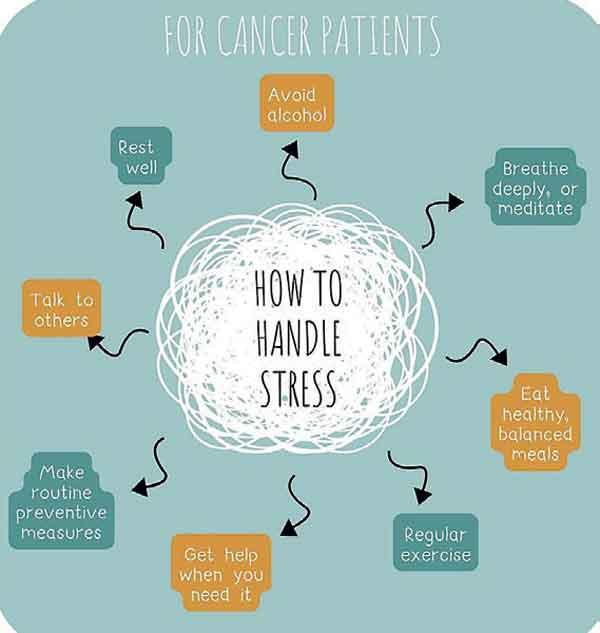
Several practical strategies can help patients and caregivers manage emotional stress:
- Practicing mindfulness helps patients stay grounded in the present, reducing anxiety about the future. Techniques such as focused breathing, guided visualization, and meditation can lower stress hormone levels and improve mood.
- Writing about fears, experiences, and emotions provides a safe outlet for expression. Journaling can clarify thoughts, track progress, and serve as a personal reflection tool.
- Moderate exercise, as approved by a healthcare provider, not only strengthens the body but also releases endorphins, natural mood elevators. Activities like walking, stretching, yoga, or gentle aerobic exercises support both physical and mental well-being.
- Engaging in art, music, or hobbies allows patients to channel emotions constructively and can provide a sense of accomplishment and purpose.
- Support groups, whether in-person or online, connect patients with individuals who share similar experiences. Knowing one is not alone fosters resilience and reduces isolation.
- Maintaining daily routines provides predictability and stability, which are psychologically grounding during the uncertainty of treatment.
Breaking the stigma surrounding mental health is another vital component. Many individuals fear judgment or believe that emotional struggles indicate weakness. Yet acknowledging and addressing distress is a sign of strength and self-care. On World Cancer Day, public campaigns emphasize that mental health is as important as physical health, and that seeking support is an integral part of cancer care, not an optional luxury. Healthcare providers are increasingly adopting a holistic approach, recognizing the interdependence of body and mind. Psychological screening is becoming standard in many oncology settings, and interventions are personalized to the patient’s emotional needs and preferences. This approach ensures that patients receive comprehensive care from managing nausea or fatigue to coping with anxiety or depression.
Technology also offers new opportunities for mental health support. Mobile apps, teletherapy, and online support communities allow patients to access guidance and companionship even when physical mobility is limited. Digital platforms can facilitate mindfulness exercises, virtual support groups, and remote counseling, bridging gaps in access and providing real-time emotional assistance. Families and communities also play a key role in supporting patients’ mental health. Open communication, empathy, and active listening create environments where patients feel safe expressing their fears and frustrations. Communities that engage in awareness campaigns, fundraising for mental health resources, and educational initiatives contribute to reducing isolation and increasing understanding around cancer’s emotional impact.

The importance of mental health extends beyond treatment. Survivors often experience long-term psychological effects, including fear of recurrence, anxiety about follow-up appointments, and post-treatment adjustment challenges. Preparing patients for life after cancer is essential, including counseling, peer mentorship, and strategies for resilience and reintegration into daily life. Ultimately, acknowledging the emotional dimension of cancer empowers patients and caregivers alike. It validates their experiences, equips them with coping tools, and fosters resilience during one of life’s most challenging journeys. By integrating psychological support into standard care, healthcare systems can not only improve mental well-being but also enhance adherence to treatment and overall outcomes.
As World Cancer Day reminds us, fighting cancer is not only about eradicating tumors or completing treatment cycles. It is about caring for the whole person, mind and body alike. Encouraging conversations about mental health, normalizing emotional support, and providing accessible resources are essential steps toward comprehensive cancer care.
Patients and caregivers who feel supported, understood, and empowered are better equipped to navigate the challenges of the cancer journey. By prioritizing emotional well-being, integrating psychological support into medical care, and fostering communities of understanding, society can ensure that those affected by cancer receive care that honors the complexity of the human experience.