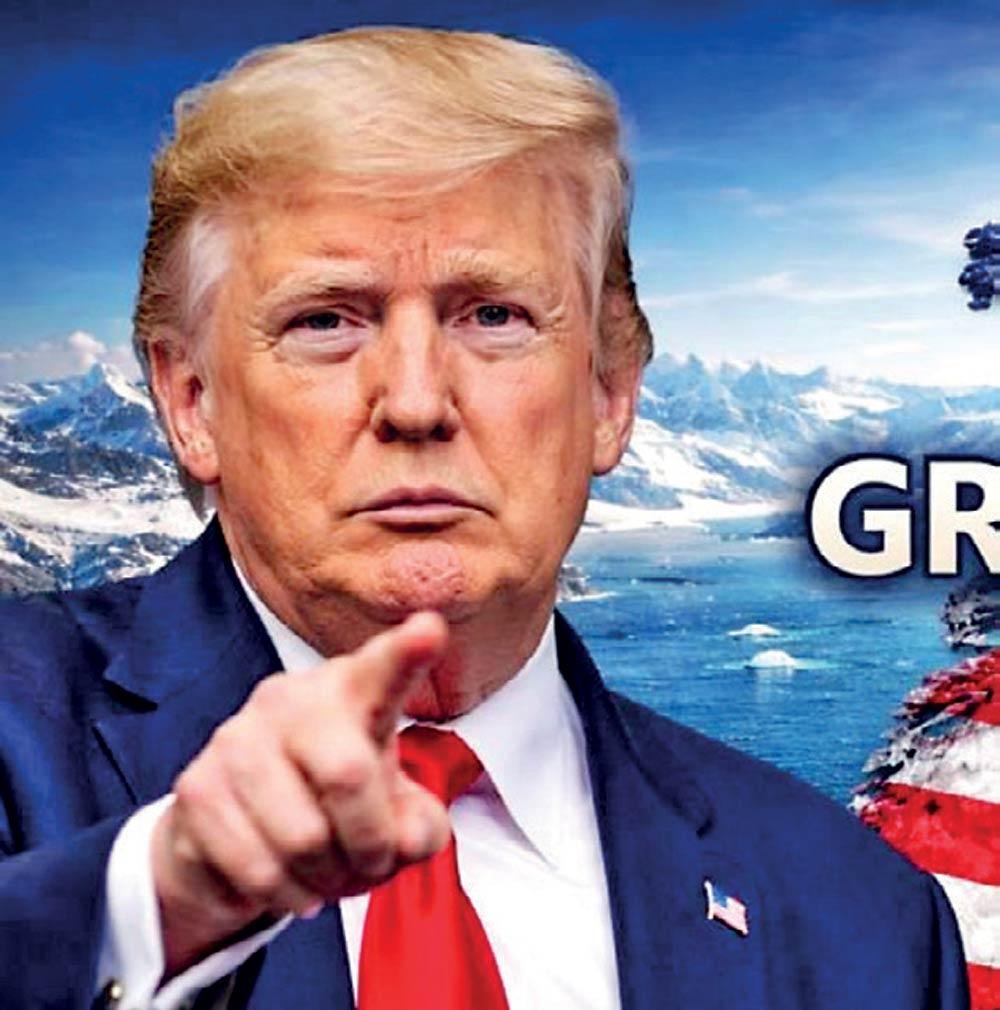
Greenland has become the most explosive flashpoint in the West’s own backyard because President Donald Trump has revived an idea that many Europeans hoped had died with his first term: the United States taking control of the world’s largest island. In early January 2026, President Trump did not just repeat his old “buy Greenland” line. He escalated it into something far more coercive, saying the United States would pursue Greenland “either the nice way or the more difficult way,” and he refused to rule out the use of force even though both Denmark and Greenland sit inside the NATO family. Why is President Trump eyeing Greenland again, and why now.
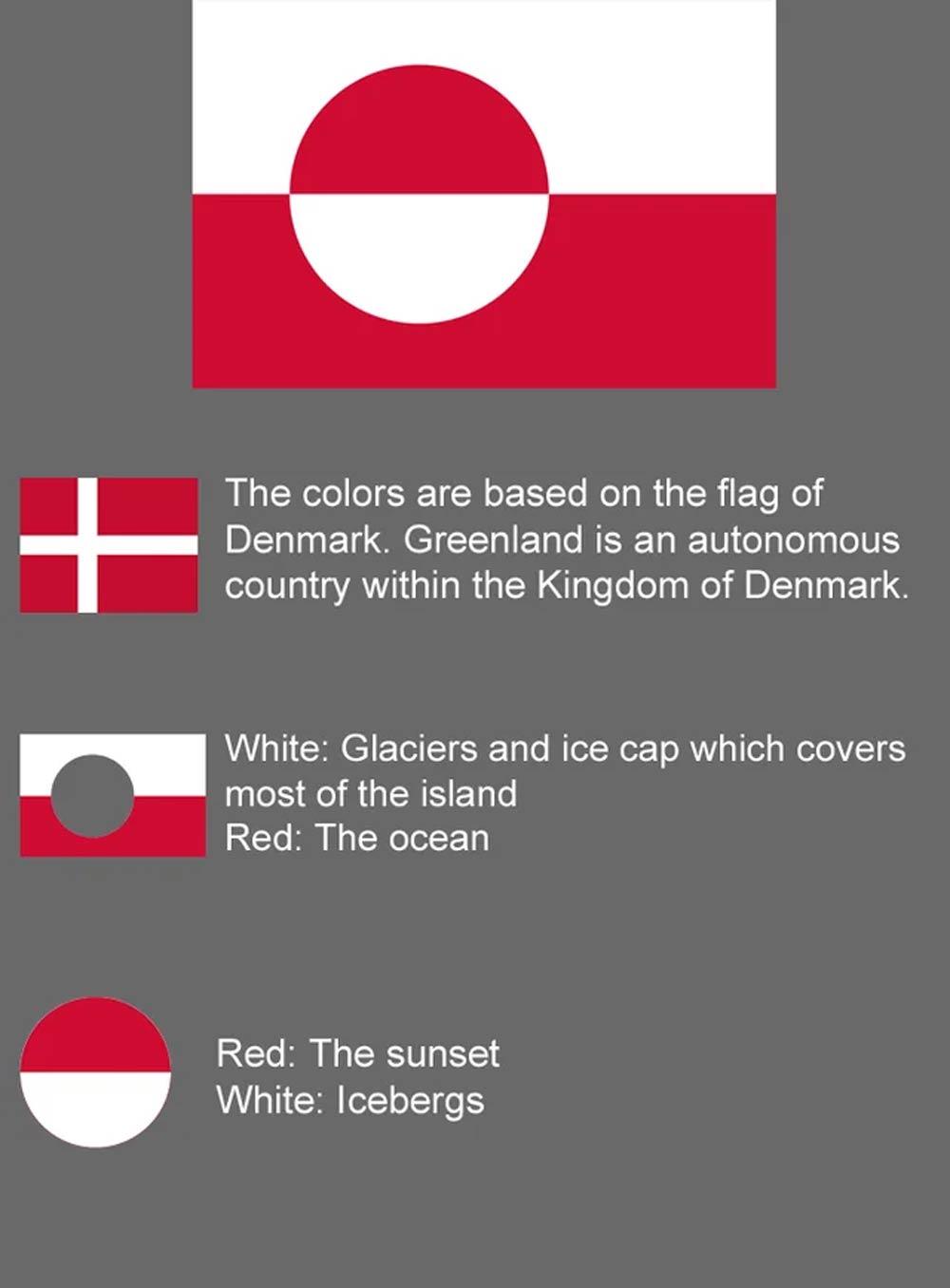 The answer lies in a mix of strategy, resources, alliance politics, and President Trump’s own worldview, one that treats territory and security as bargaining chips rather than as settled questions governed by treaties and law. The result is a crisis that Denmark cannot ignore, that Europe cannot contain with polite statements, and that NATO has struggled to address without putting its own unity at risk.
THE GEOGRAPHY THAT KEEPS PULLING WASHINGTON NORTH
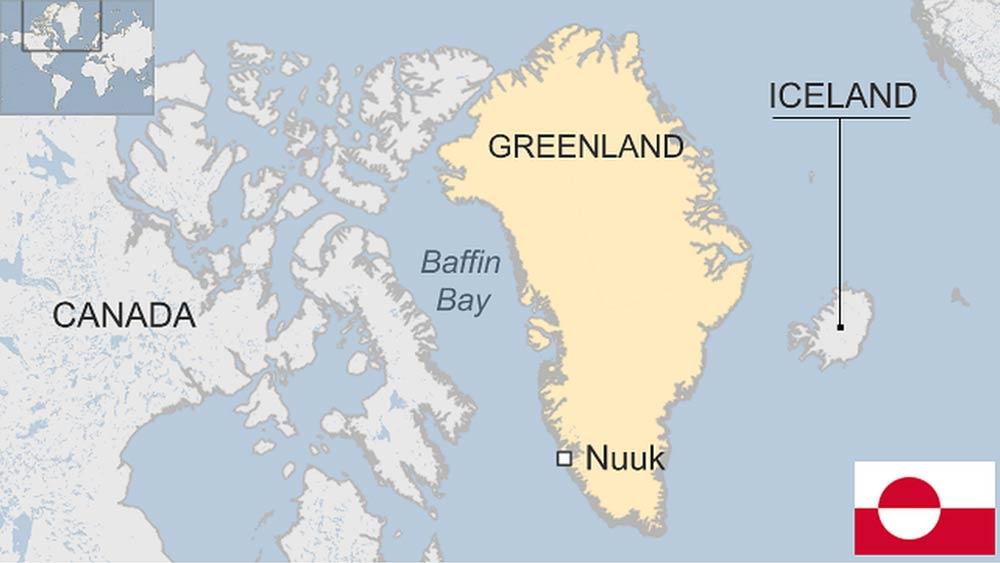
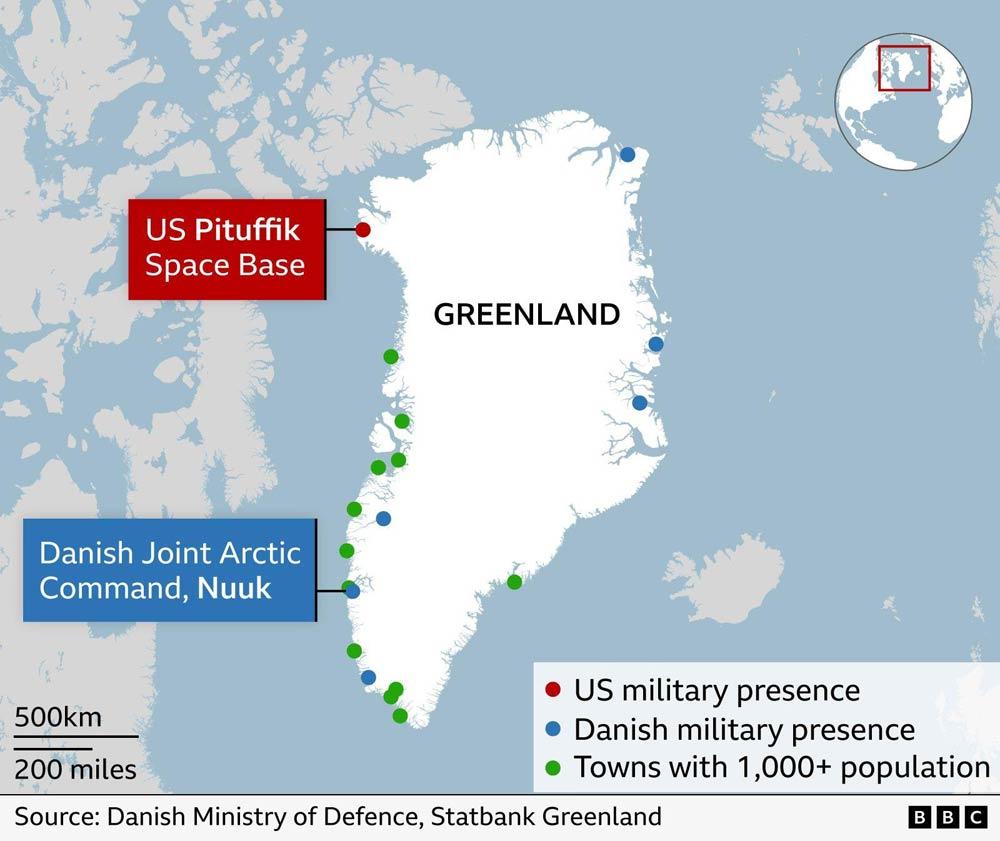
If you look at a map of the Arctic, Greenland is not a remote curiosity. It sits on the seam between North America and Europe, guarding key air and sea routes across the North Atlantic. For decades, United States planners have viewed Greenland as a critical early warning and basing location, particularly for missile detection and space related missions. The United States already operates a major installation there, Pituffik Space Base, which anchors the argument that Washington has legitimate security interests on the island without needing sovereignty over it. This is why President Trump’s team frames Greenland as a national security priority. In their telling, control over Greenland tightens America’s grip on Arctic access, strengthens surveillance and deterrence, and blunts Russian power across the High North. It also plays into a broader American debate about the North Atlantic corridor, including the Greenland Iceland United Kingdom gap, which matters for tracking submarines and protecting transatlantic supply lines in a crisis. Nordic diplomats have pushed back on the most dramatic claims coming from Washington, saying NATO intelligence does not support assertions that Greenland is surrounded by Russian and Chinese ships. That pushback matters because it undercuts the implied justification for confrontation. If the threat picture is being exaggerated for political leverage, Europeans fear the Greenland dispute becomes less about genuine defence requirements and more about a power move aimed at reshaping boundaries and hierarchies inside the Western alliance.
MINERALS, RARE EARTHS, AND THE NEW RESOURCE POLITICS
There is also an economic logic behind President Trump’s interest. Greenland is widely known to be mineral rich, including deposits that could prove vital for the energy transition and advanced manufacturing supply chains. Over the past decade, rare earths and critical minerals have become central to national security thinking, especially as the United States and Europe try to reduce their dependence on China. Greenland’s geology fits neatly into these strategic minerals narrative. But on the ground, it has created deep unease. Greenlanders want investment and jobs, but many also fear becoming the target of outside extraction where decisions are made in Washington, Copenhagen, or corporate boardrooms rather than in Nuuk.
At the same time, Greenland is debating its own political future and its long-term relationship with Denmark. This makes external pressure especially dangerous. Greenland is not a passive asset. It is a self-governing territory with elected leaders and an active independence movement. When powerful states begin to treat independence as a lever rather than a democratic choice, the internal political balance can be distorted in ways that are difficult to undo.
PRESIDENT TRUMP’S WORLDVIEW AND SOVEREIGNTY AS A TRANSACTION
Strategy and resources still do not fully explain the tone of this crisis. President Trump’s language reveals a deeper mindset. By framing Greenland’s future in terms of the nice way or the more difficult way, he is treating sovereignty as something to be negotiated through leverage rather than respected through law. Danish and Greenlandic leaders have responded firmly, insisting Greenland’s future cannot be bought or taken. Greenland’s political parties have issued unusually unified statements stressing that Greenlanders do not want to become Americans and do not want to be Danes but want to be Greenlanders. Across Europe, analysts see this as part of a broader ideological shift. President Trump and several of his advisers have questioned whether smaller states should be able to rely on international law when powerful countries have strategic interests at stake. In that worldview, influence and pressure matter more than treaties. Greenland becomes a symbol of a larger struggle over whether the international system is governed by rules or by raw power.
DENMARK’S RESPONSE AND A FATEFUL MOMENT
Denmark has treated the renewed push from Washington as an existential test. Prime Minister Mette Frederiksen has described the moment as fateful, warning that threats against Greenland could rupture the spirit of NATO cooperation and force Europe to confront the possibility that the alliance’s most powerful member is willing to pressure its own allies. This is a nightmare for Copenhagen. Denmark is responsible for foreign policy and defence for the Kingdom of Denmark, yet Greenland’s growing autonomy and distinct identity make any discussion of transferring sovereignty politically explosive. Denmark must defend Greenland while respecting Greenland’s right to decide its own future. At the same time, Denmark has turned to diplomacy. Senior Danish and Greenlandic officials are engaging directly with the United States, including high level talks with Secretary of State Marco Rubio. The fact that these meetings are taking place at cabinet level shows this is no longer a passing comment but a serious and ongoing issue in relations between Washington and Copenhagen. Denmark is also working to rally European support while avoiding escalation. It must appear strong enough to deter pressure but calm enough not to provoke confrontation. That balance is becoming harder to maintain as President Trump continues to keep force on the table.
EUROPE RALLIES AND PREPARES
Europe’s reaction has been far more united than during President Trump’s first term. Leaders across the continent have publicly backed Denmark and affirmed that Greenland belongs to its people. This is more than symbolic. European governments understand that if the United States can openly threaten to take territory from a NATO ally, the credibility of the entire Western system is at stake. Behind the statements lies a deeper anxiety. The rules-based order that Europe depends on is not only being challenged by Russia and China. It is being tested from within the Western alliance itself. That has led European capitals to quietly discuss contingency plans, including how they might respond if the crisis moves from words to actions.
Europe’s options are limited. The European Union has economic and political tools, and European states have military capabilities, but none of them want to confront the United States directly. That is what makes the pressure from Washington so unsettling. The usual assumption that the United States is the ultimate guarantor of European security no longer feels secure.
NATO AND THE ALLIANCE PARADOX
NATO now faces one of the most awkward questions in its history. The alliance is designed to deter aggression and defend its members. But what happens when the pressure comes from its most powerful member. Greenland is part of a NATO country through Denmark. The United States is NATO’s military backbone. When President Trump suggests force could be used, the alliance finds itself without a clear mechanism to respond. Silence risks looking like weakness. Speaking out risks provoking a deeper rupture. This has already rattled many European governments. If NATO cannot clearly say that borders inside the alliance are inviolable, then its credibility against outside threats is weakened as well. Denmark’s warnings about a possible rupture in cooperation are being taken seriously across Europe.
THE GREENLAND FACTOR
Greenland itself remains at the heart of the crisis. The island has a long history of colonial rule and a strong desire for self-determination. Any attempt by outside powers to dictate its future risks inflaming old wounds and deepening internal divisions. Greenland’s leaders have made it clear that their people must decide their own destiny. The danger is that intense external pressure could push Greenland’s independence debate in directions driven by fear or opportunity rather than by democratic choice. That would not only destabilise Greenland but also the wider region.
WHAT HAPPENS NEXT
The next phase will be diplomatic. The talks between Denmark and the United States will be closely watched for signs that President Trump is willing to shift from threats to cooperation. Expanded basing agreements, joint Arctic security arrangements, and economic partnerships that respect Greenland’s autonomy could offer a way forward. But if President Trump continues to frame Greenland as something the United States will acquire one way or another, the crisis will deepen. Denmark will push harder for European backing. Nordic states will continue to reject exaggerated threat narratives. NATO will face growing pressure to reaffirm that force against an ally is unacceptable. In the end, Greenland has become a test of whether the West can hold together when its internal assumptions are shaken. President Trump is eyeing Greenland because it sits at the crossroads of Arctic strategy and global competition, but also because it allows him to test a world where leverage matters more than law. Denmark and Europe are responding not only to defend a territory, but to defend the idea that alliances are built on consent rather than coercion. And NATO is left confronting the most uncomfortable question of all. What happens when the biggest ally becomes the biggest risk.