
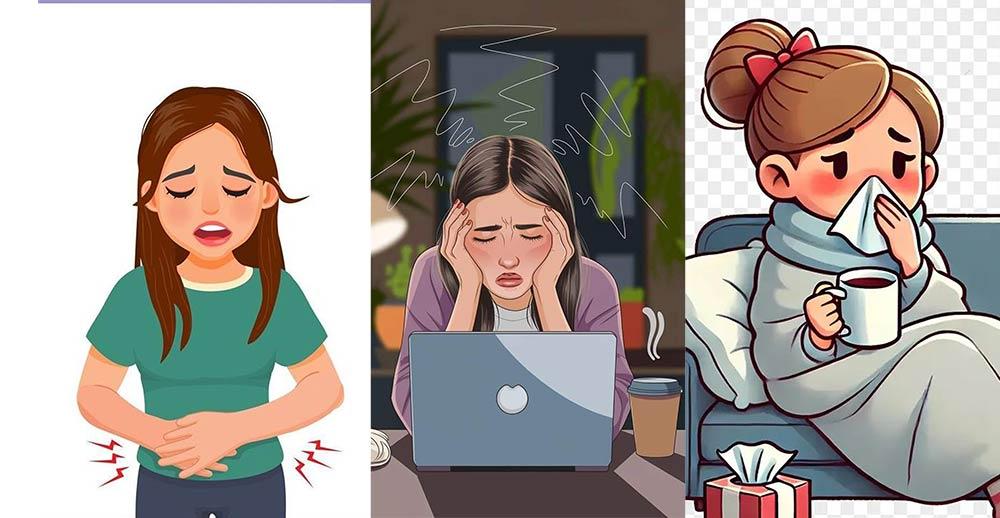
Most people do not wake up one day and suddenly become seriously ill. Illness usually arrives quietly. It enters the body through small signals that are easy to dismiss and even easier to rationalize away. A headache that returns more often than it should. Fatigue that no amount of sleep seems to fix. A tight chest that appears when stress builds. A stomach that never quite feels settled.
These signs rarely feel urgent. They do not demand immediate attention, so we convince ourselves they can wait. Waiting becomes a habit. Weeks pass. Months pass. What once felt minor becomes part of daily life. We stop noticing it because we adapt to it. This is how countless health problems grow unseen until they can no longer be ignored. By then the cost is no longer small.
In a world that moves quickly and rewards endurance, paying attention to your body often feels inconvenient. There is always work to do. There is always a message to answer, a responsibility to meet, a deadline to beat. Health becomes something we promise to deal with later. Later becomes a vague idea rather than a real moment. The body, however, does not wait. It continues to speak whether we listen or not. What starts as mild discomfort is often the body’s first attempt to protect itself. Fatigue can be a sign of iron deficiency, thyroid imbalance, sleep disorders, or chronic inflammation. Digestive discomfort may point to food sensitivities, gut disorders, or ulcers forming slowly over time. Headaches can be caused by dehydration, poor posture, eye strain, blood pressure changes, or prolonged stress. None of these signals appear suddenly at their most dangerous stage. They begin gently. They ask for attention long before they demand it.
The problem is that gentle warnings are easy to dismiss. Because you can still go to work, still answer emails, still meet friends, you assume nothing is wrong. You function but you are not fully well. This slow erosion of health becomes invisible to you, yet it shapes your energy, mood, focus, and resilience every day. Modern culture has taught us to push through discomfort. Being tired is seen as proof of ambition. Being stressed is treated as evidence of importance. Taking time to rest is often mistaken for laziness. Even seeing a doctor for something that does not feel serious can bring guilt. Many people feel they are being dramatic or wasting time. So, they ignore their instincts and keep going.
This habit does more damage than most realize. When the body is under constant strain, stress hormones stay elevated. Sleep becomes lighter and less restorative. Inflammation increases. The immune system weakens. Over time this creates the perfect environment for chronic illness to develop. Anxiety, depression, heart disease, hormonal imbalances, digestive disorders, and autoimmune conditions often begin with symptoms that once felt minor.
There is also a hidden financial cost to ignoring early symptoms. Many people delay care because they want to avoid spending money. They assume waiting will save them something. In reality, early treatment is almost always less expensive than late-stage care. A simple blood test or routine checkup can identify problems before they require specialist visits, advanced imaging, long term medication, or hospital stays. Preventive care is not just about protecting health. It is about protecting stability, productivity, and financial security.
This is especially true in places where medical expenses are paid out of pocket. A small untreated problem can grow into a serious condition that drains savings and disrupts families. What could have been handled with simple intervention becomes a long and stressful journey. Another dangerous belief that keeps people from paying attention to symptoms is the idea that youth equals safety. Many young adults believe serious illness belongs to older generations. While age can reduce risk for certain conditions, it does not eliminate it. Modern lifestyles are placing heavy strain on younger bodies in ways previous generations did not experience. Poor sleep, irregular meals, long hours in front of screens, limited physical movement, processed food, and constant mental pressure are shaping health outcomes from an early age.
High blood pressure, insulin resistance, hormonal imbalances, anxiety disorders, and digestive issues are now common in people who have not even reached middle age. Being young may delay the consequences but it does not prevent them. Ignoring symptoms because of age creates a false sense of security that disappears when problems become harder to reverse. There is also the way discomfort has become normalized. Back pain from sitting all day. Dry eyes from staring at screens. Irregular menstrual cycles from stress. Frequent colds from weakened immunity. These experiences are often dismissed as part of modern life. But common does not mean healthy. When a large number of people share the same problem, it does not make the problem harmless.
The body is incredibly adaptable. When something is wrong, it often finds ways to keep functioning. It compensates. It shifts energy. It suppresses symptoms so that you can keep going. But this adaptation is not healing. It is survival. Over time the effort of compensating takes a toll. Systems become imbalanced. Hormones fluctuate. The nervous system stays on high alert. Eventually the body can no longer hide what is wrong. This is when people are often shocked. A condition that feels sudden is actually the result of years of quiet signals that were overlooked. The diagnosis feels unexpected, yet the body has been speaking all along.
Listening to your body does not mean assuming the worst. It means paying attention to patterns. It means noticing when something keeps happening instead of disappearing. It means respecting fatigue instead of treating it as an enemy. It means understanding that pain, discomfort, and emotional changes are forms of communication. Sometimes listening leads to reassurance. A doctor may confirm that nothing serious is wrong. But even that knowledge has value. Peace of mind is part of health. Other times listening leads to early treatment that prevents a much bigger problem. Both outcomes are worth the effort.
Health does not require perfection. It does not demand that you live without stress or never feel tired. It simply asks that you do not ignore what is happening inside you. Awareness is the foundation of care. Choosing to take small symptoms seriously is an act of self-respect. It says that your wellbeing matters enough to deserve attention. It says that your future deserves protection. It says that your body is not just a tool for productivity but a living system that supports everything you do.
In a world that celebrates speed, taking time to pause can feel uncomfortable. But the strongest people are not those who ignore their limits. They are the ones who recognize them and act wisely. Your body carries every ambition you have. It supports every goal you chase. It holds every memory, every emotion, every dream. When it whispers, it is offering you a chance to care for it before it has to shout. Ignoring small symptoms does not make you brave. It makes you vulnerable. Listening early is not weakness. It is the most powerful form of protection you have.