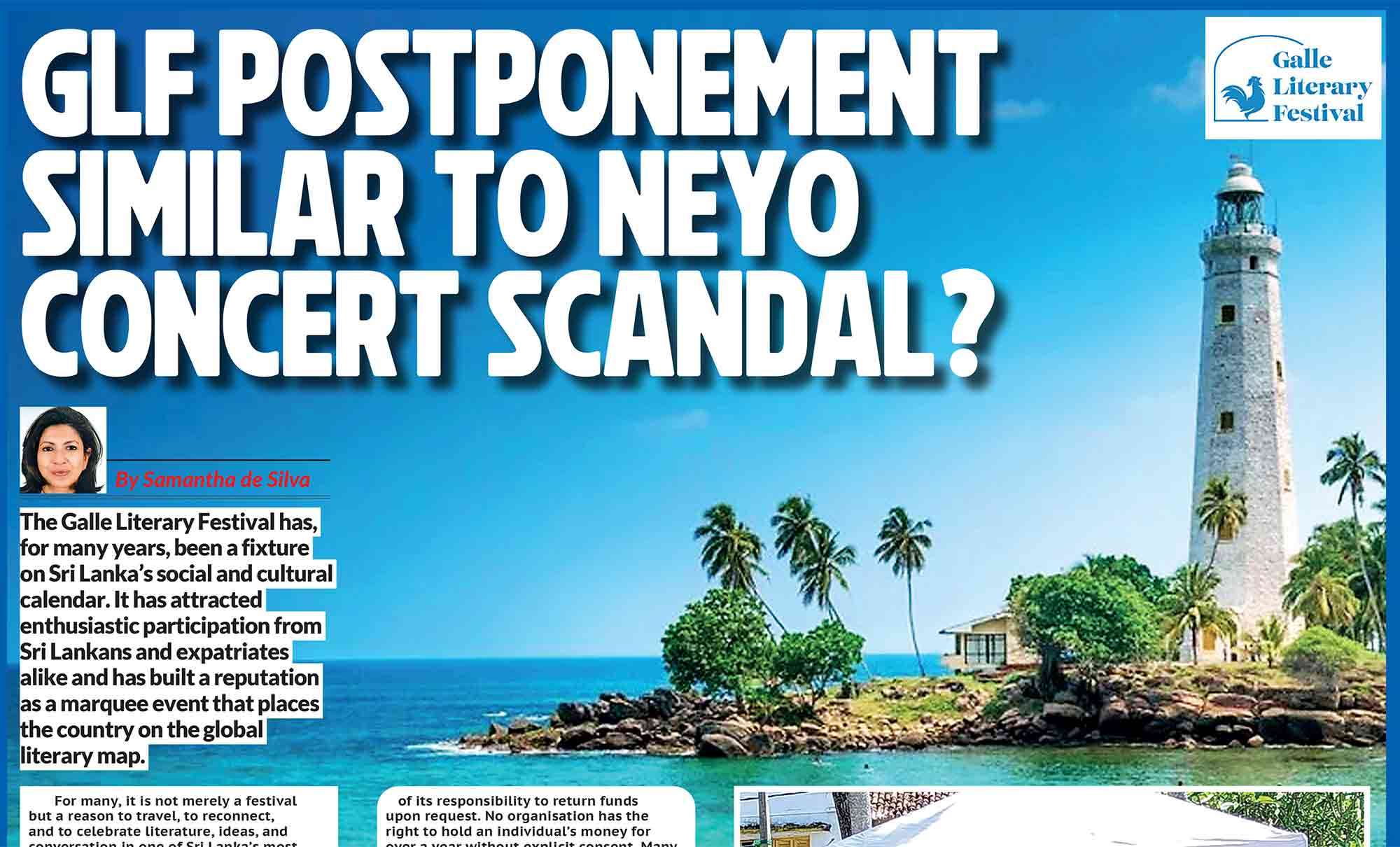

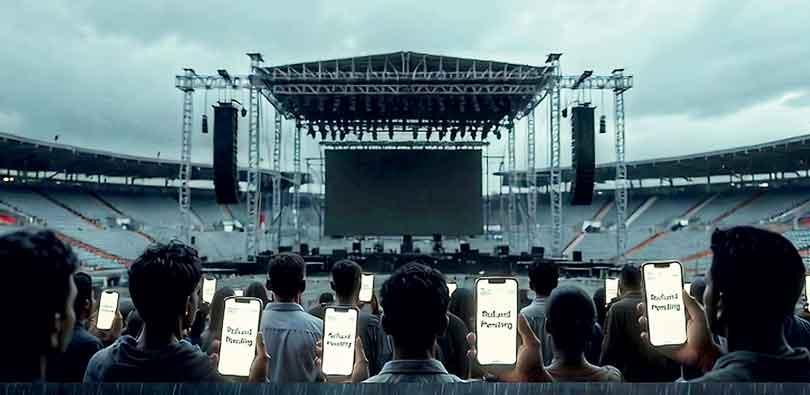


For months, fans in Sri Lanka held onto a vibrant sense of anticipation. Posters popped up on social media, Instagram pages buzzed with excitement, and many lined up digitally to secure their tickets, some paying steep prices for a chance to see Grammy-winning R&B star Ne-Yo perform live organized by a newly formed company called Brown Boy Presents spearheaded by an American-Sri Lankan called Amith Boteju. The concert was more than a night out; it symbolized a small but hopeful beat in a country that has spent years wrestling with economic strain, social stress, and uncertainty. But as Sri Lankan fans have learned too many times, excitement does not always translate into reality. Just before the event was expected to take place, news trickled through that the concert had been postponed. Initially, it wasn't delivered through a polished official announcement or a formal media briefing but began appearing as vague notices, reshared posts, and abrupt statements. Suddenly, the grand promise of a global music event evaporated, and with it, the trust of thousands.
The Disappointment Behind the Ticket Stub
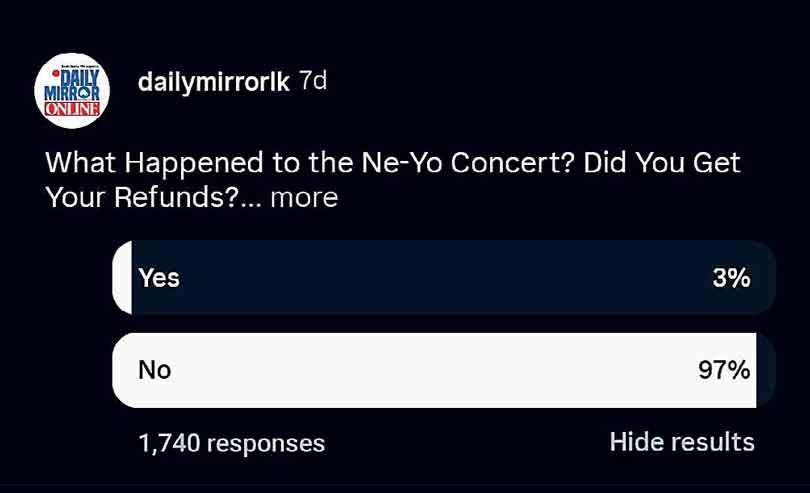
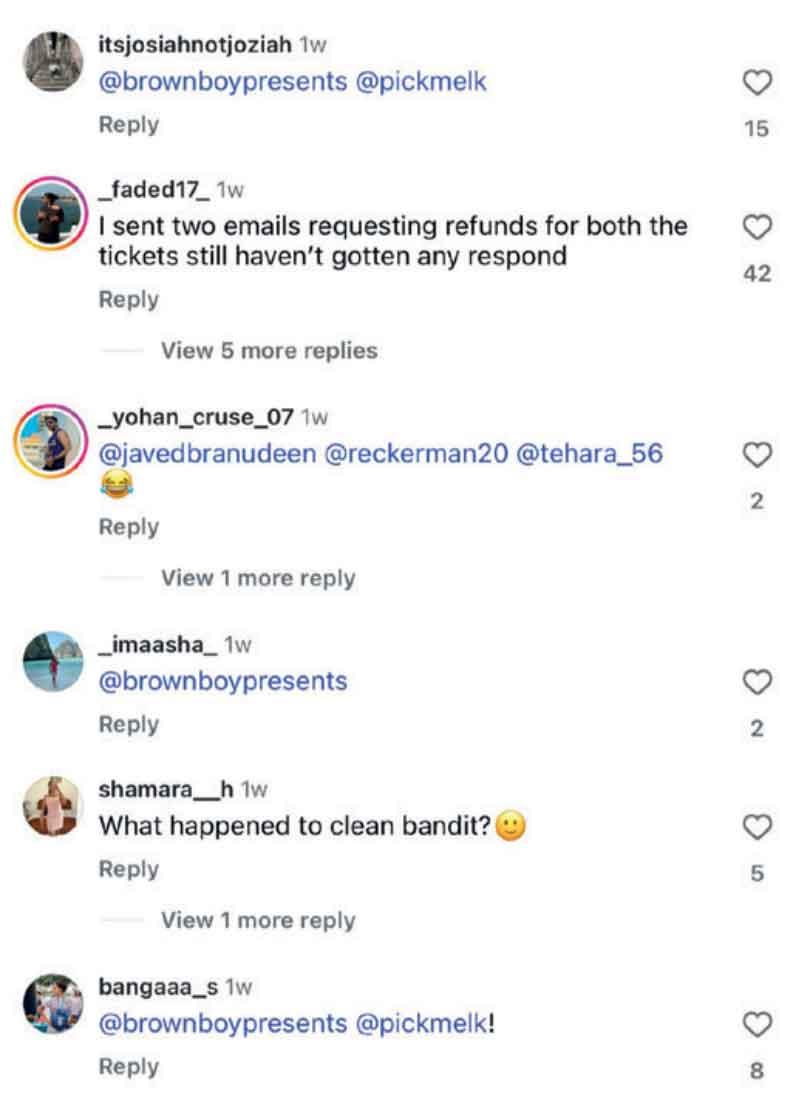
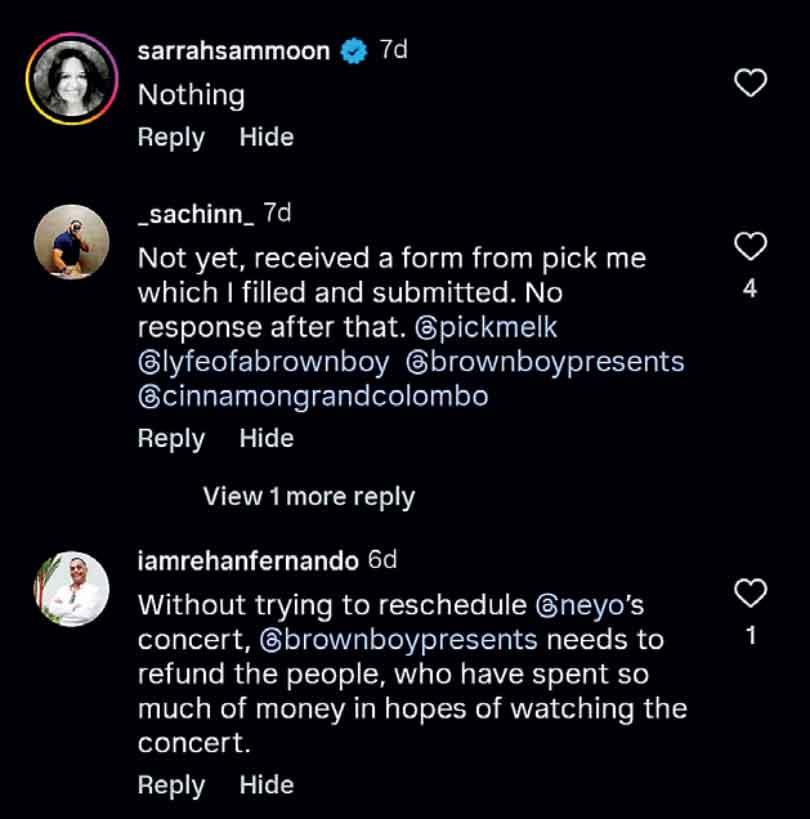
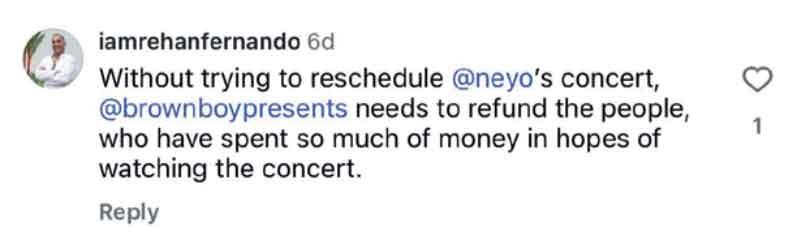
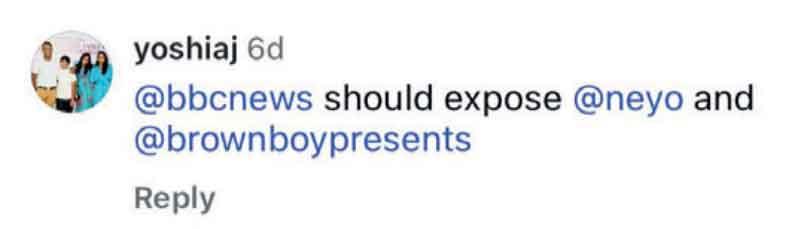
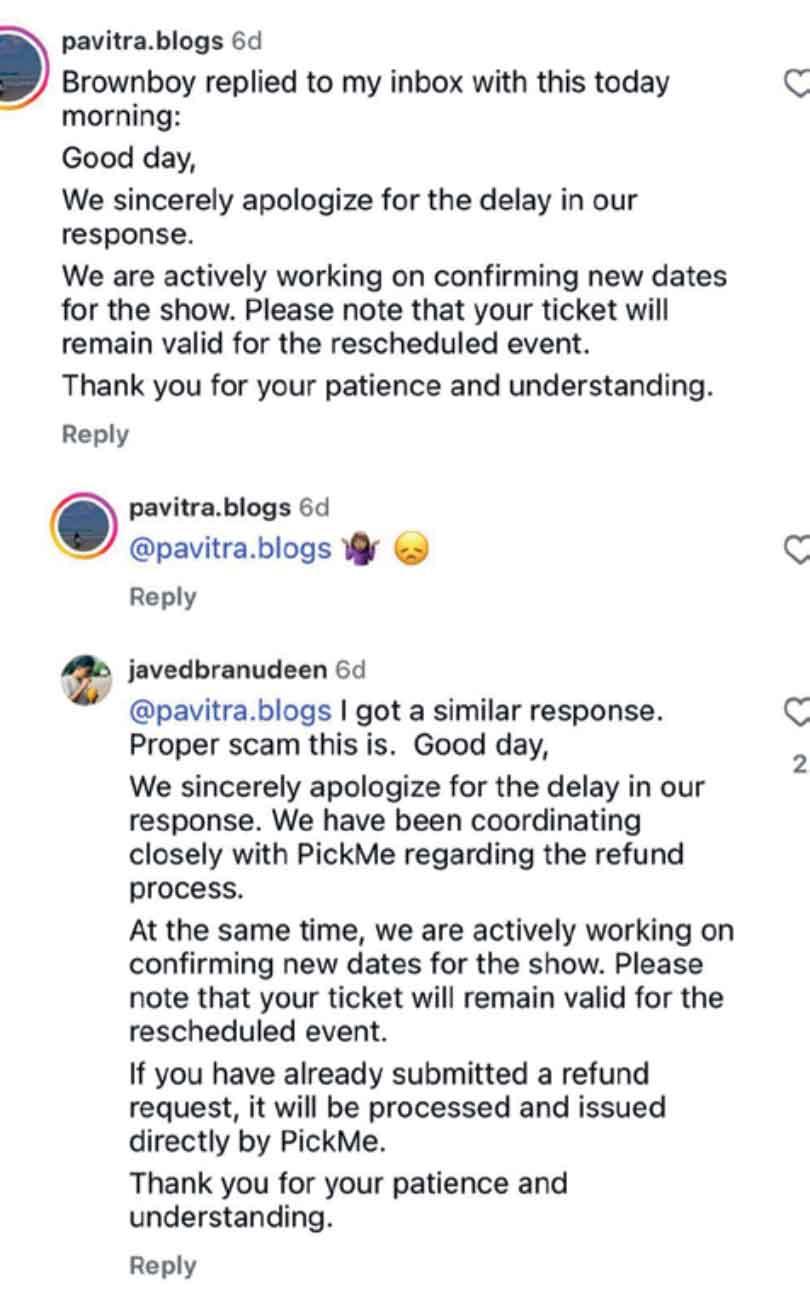
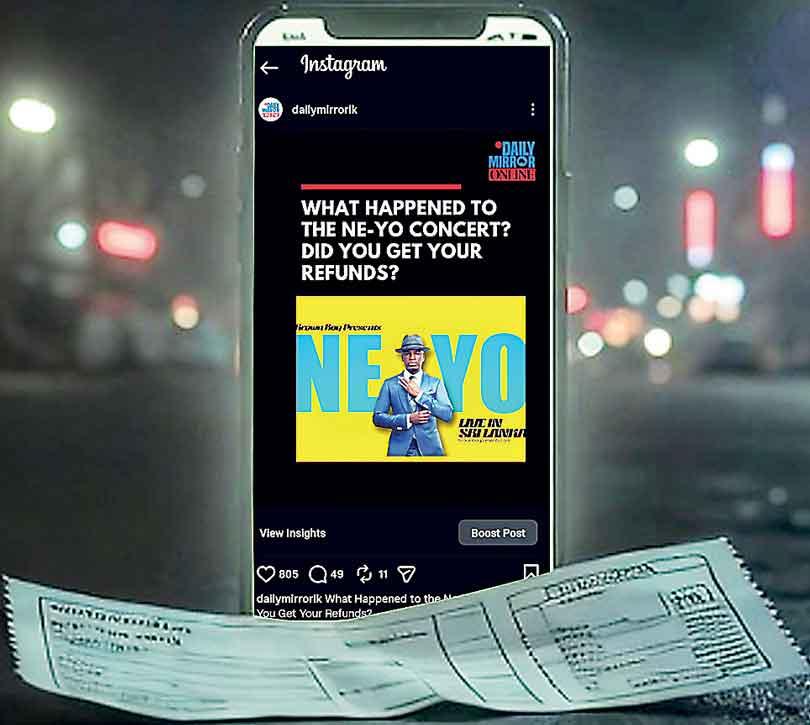
The postponement alone was painful, but what followed has been far more frustrating. Fans did what any reasonable person would do: they waited for their refunds. And waited. And waited. And still waiting! Scrolling through the comments on Daily Mirror Online's recent poll on Instagram reveals the scale of the dissatisfaction and confusion. The space reads like a community of people who have been hurt, annoyed, and tired of being passed from email address to email address like a forgotten package. Many reported that they received a Google Form or a sheet to fill in. They dutifully typed their ticket numbers, account details, and names, often more than once. But after submitting, nothing. No confirmation. No timeline. No clarity. As one user stated bluntly: “I Filled and submitted. No response after that.” Others haven't even gotten that far. Numerous commenters said that, despite multiple messages to the organizers (Brown Boy Presents / Amith Boteju) or the partner ticketing platform (PickMe), they received no acknowledgement at all. “Still haven’t gotten any response,” one wrote, an echo repeated dozens of times under the post. Some fans only found out that there was a Google sheet through other commenters, not through any official communication channels. In a well-organized concert infrastructure, customers shouldn’t have to rely on strangers in an Instagram comment section just to figure out how to lodge a refund request.
Where Promise Meets Accountability
What makes this situation sting more deeply is not just the lost money; it is the feeling of being dismissed. People had saved up, sometimes for weeks, sometimes for months, to attend what felt like a once-in-a-lifetime show. One commenter described saving relentlessly, only to receive silence in return. For many in Sri Lanka, a concert ticket worth several thousand rupees is not an impulse buy; it’s an investment. Sri Lanka has already faced a string of event controversies over the last few years, from cancelled performances to postponed international appearances to outright scams. The Ne-Yo cancellation feels like another chapter in that painful pattern, and each episode leaves audiences more wary. The community frustration goes beyond one event; it feels cumulative, as if fans are tired of empty apologies and logistical black holes. Some commenters named sponsors, and promotional entities, expressing disappointment that reputable brands have allowed their name to be tied to what has become a chaotic customer experience.
Whether these entities bear legal responsibility or not, the public perception is clear: accountability feels dispersed, unclear, and avoidable.
The Erosion of Trust
For those who buy tickets, the relationship with organizers should be straightforward: you deliver the event you promise, or you return the money. In many countries, refunds for cancelled shows are issued immediately and automatically. In Sri Lanka, however, the process seems to rely heavily on manual data collection, email chains, and customer persistence, exposing gaps in infrastructure, planning, and consumer protection. And when transparency is lacking, suspicion grows. The longer refunds are delayed, the more online comments shift from confusion to anger, and from anger to accusation. People begin to wonder whether organizers still possess the funds required to pay everyone back, or whether the system was flawed from the start. Even if the reality is simply incompetence rather than malice, the effect is the same: public faith declines. This erosion of trust hurts far beyond a single event. Music promoters, tourism stakeholders, and even local artists are affected when audiences hesitate to buy a future ticket. International performers may think twice before saying yes to Sri Lanka, assuming such cancellations reflect instability. And most of all, the fans, those who care the most, are left deflated.
A Lesson Waiting to Be Learned
It didn’t have to be this way. A clearly communicated refund plan, detailed timelines, and weekly public updates could have softened the blow. Dedicated customer service teams could have calmed outrage rather than inflaming it through silence. The Ne-Yo cancellation is not just a logistical story; it’s a reminder that trust is built not through posters or hashtags but through follow-through. People are not being unreasonable. They are simply asking for what they are owed. Many are no longer interested in rescheduled dates, special apologies, or promotional excuses. They want closure, and in the simplest form possible: their money back.
Until the Music Plays Again
Sri Lankans are resilient and hopeful people, often eager to celebrate, gather, and enjoy experiences that bring joy into difficult everyday lives. But hope is not a resource to be wasted lightly. Moments like this one leave fans wondering whether they should dare to hope again. As the silence stretches on, the story of the cancelled Ne-Yo concert becomes more than an inconvenience. It becomes a symbol of what happens when organizers forget that audiences are people, not ticket IDs. People with expectations, feelings, and budgets. People who deserve respect. Until refunds are completed, the chapter remains open. And the country waits, not for the beat to drop, but for the decency of accountability to finally arrive.