Bhavna Kakar
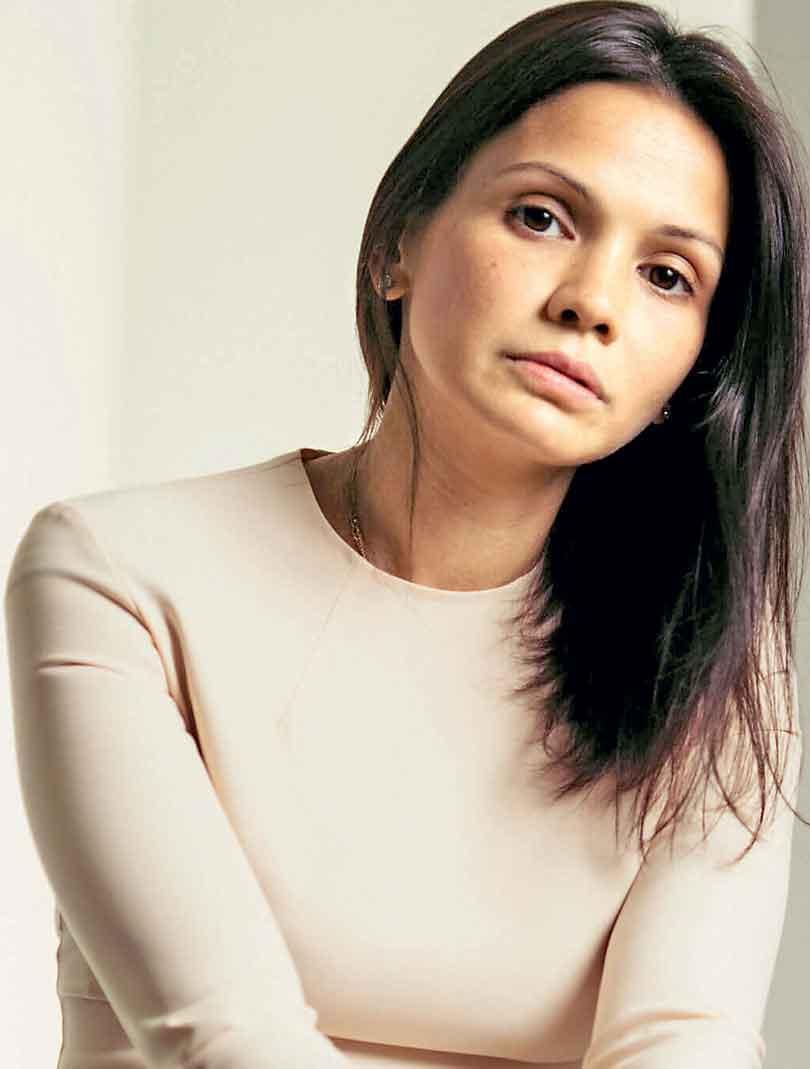
Saskia Fernando
Colombo hosts KALĀ 2026: TAKE on Art × KALĀ this January, reaffirming its position as a significant hub for contemporary artistic exchange in South Asia. Returning as a cross-border arts platform, KALĀ 2026 brings together artists, curators, writers, scholars, and cultural practitioners from across the region for a programme that foregrounds dialogue, material inquiry, and shared histories. Taking place over the opening weekend of 17 and 18 January 2026, with the exhibition remaining open until 15 February 2026, the platform situates Colombo as a space where artistic practices intersect across geographies, disciplines, and lived experience.
Presented by Saskia Fernando in collaboration with TAKE on Art magazine, KALĀ 2026 unfolds through exhibitions, live performance, workshops, curated walkthroughs, and public conversations. Together, these formats explore questions of memory, materiality, reconciliation, and contemporary artistic practice across South Asia and its diasporas. Rather than offering a singular narrative of the region, the programme emphasises plurality, process, and sustained engagement.
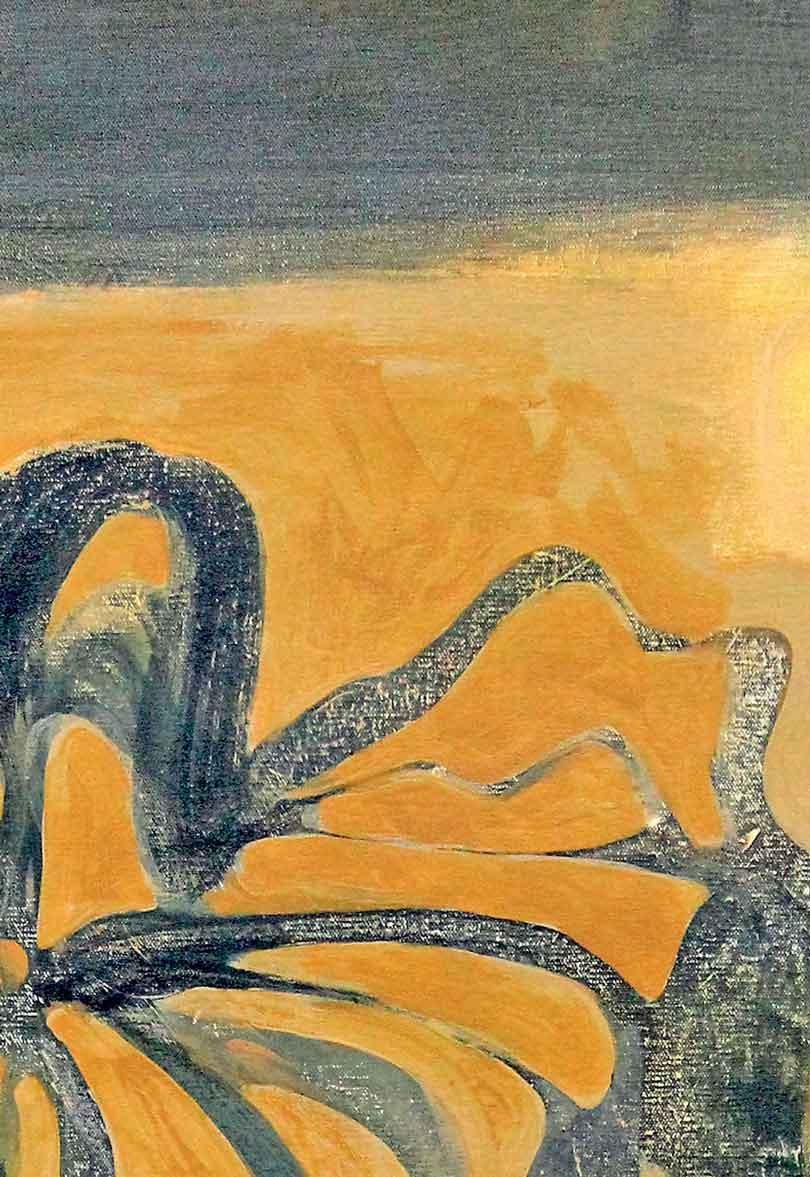
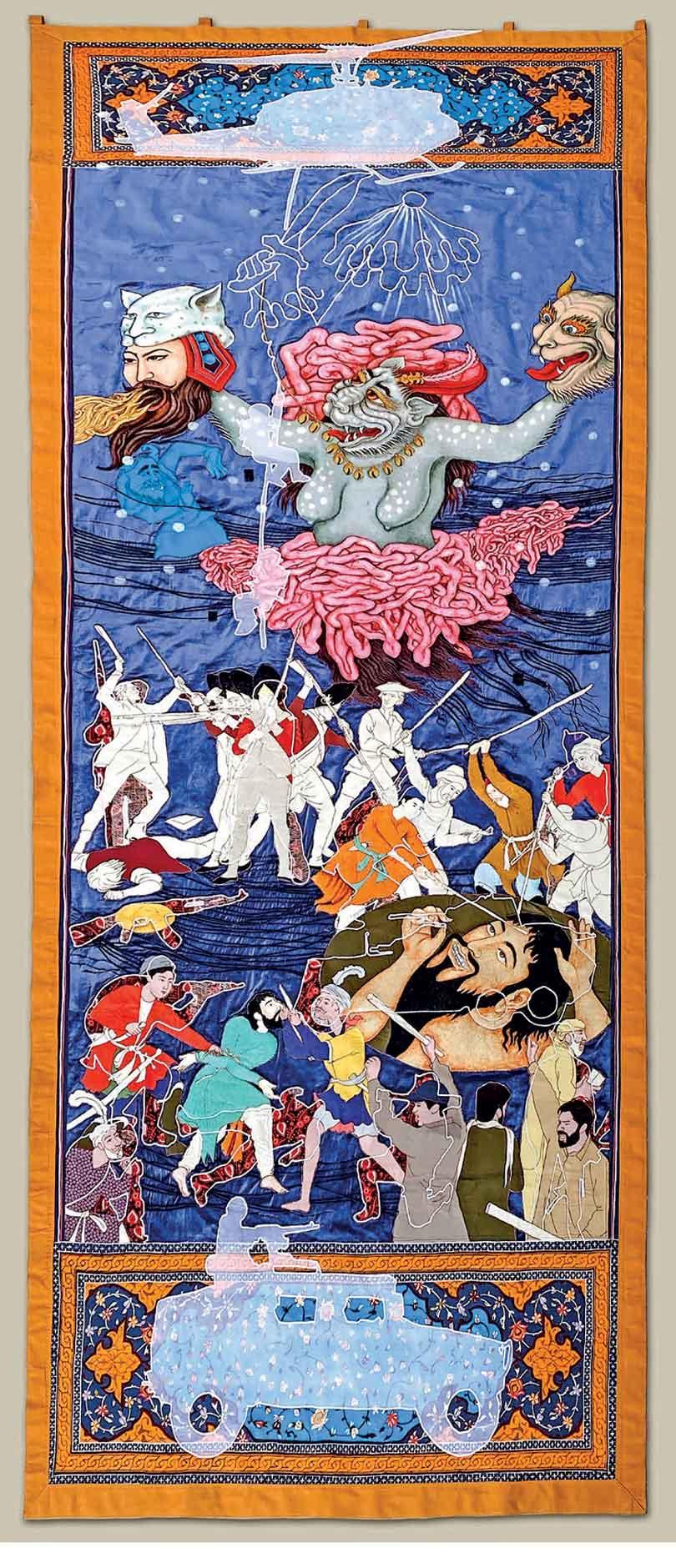
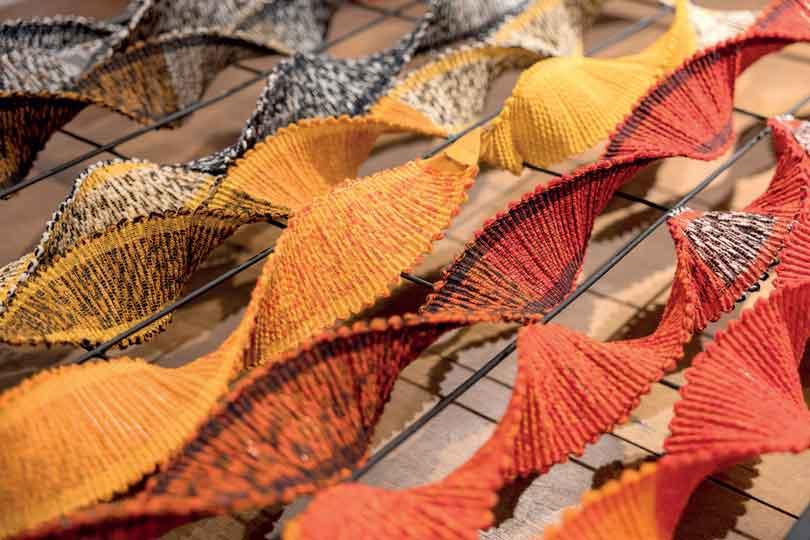
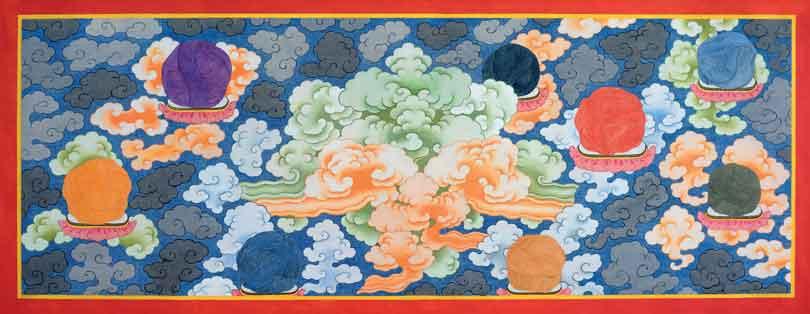
At the heart of the platform is the exhibition, Shared Ground South Asia in Conversation, curated by Tanya Dutt. The exhibition approaches South Asia not as a fixed identity or geopolitical abstraction, but as a lived, material, and relational space shaped by overlapping histories and ongoing negotiations. Through painting, drawing, textile, installation, and material-based practices, the exhibition foregrounds matter as a carrier of memory, labour, belief, and consequence. When placed in relation, these works invite viewers to consider how meaning emerges through proximity, exchange, and tension.
Shared Ground brings together established and mid-career artists whose practices are internationally recognised and deeply rooted in socio political, post-colonial, ecological, and material research. The exhibiting artists are Ahmed Rasel from Bangladesh, Eagan Badeeu from the Maldives, Farhat Ali from Pakistan, Firi Rahman from Sri Lanka, Gopa Trivedi from India, Khadim Ali from Afghanistan, Kiran Maharjan from Nepal, Kishwar Kiani from Pakistan, Phurba Namgay from Bhutan, Tashi Lama from Nepal, Vibha Galhotra from India, and Marie Gnanaraj from Sri Lanka. Together, these artists represent Pakistan, India, Afghanistan, Bangladesh, Nepal, Bhutan, the Maldives, and Sri Lanka, situating Colombo firmly within an active and interconnected South Asian artistic circuit.
Rather than advancing a unified curatorial argument, the exhibition unfolds as a constellation of practices that address shared concerns through distinct formal and conceptual approaches. The works engage questions of land, memory, labour, gender, ecology, migration, and the afterlives of colonial structures. These concerns resonate across the region while remaining grounded in specific local contexts and lived realities. The exhibition positions art as both witness and interlocutor, capable of holding complexity without resolving it.
The opening weekend programme on 17 and 18 January extends the exhibition’s concerns into discursive and performative space. On Friday 17 January, the programme begins with a photography and writing workshop titled, Of Mirage and Mirror Passage on Photography, led by Dilpreet Bhullar, Managing Editor of TAKE on Art.
Conceived as a critical pedagogical framework, the workshop focuses on visual literacy, analytical precision, and reflective writing about photography. It foregrounds photographs as cultural texts that actively participate in the construction of meaning, public memory, and historical consciousness.
Drawing on foundational theoretical texts by Roland Barthes, Susan Sontag, John Berger, and Ariella Azoulay, the workshop introduces participants to key debates around photographic meaning, circulation, and representation. Participants are guided through reading, discussion, and writing exercises that examine how images operate within broader social, political, and ideological frameworks. Emphasis is placed on attentive looking, critical pause, and the role of language in mediating photographic meaning. Open to writers, artists, and participants from all disciplines, the workshop prioritises process over outcome and encourages participants to translate visual encounters into wider cultural inquiry.
The evening of 17 January marks the exhibition preview and opening. Following welcome cocktails, Tanya Dutt leads a curatorial walkthrough that offers insight into the conceptual framework of Shared Ground and the relationships between the works on display. The evening culminates in a live performance by Richi K. Bhatia, an artist whose performative practice engages body, material, myth, and gender through sensory interaction. The performance is followed by an informal conversation, reinforcing the opening night’s emphasis on dialogue and embodied experience.
On Saturday 18 January, the programme continues with a series of panel discussions and walkthroughs that explicitly frame South Asia as a shared yet contested space. The first panel, Ripple Sail for Reconciliation, is moderated by Puja Vaish and features Hasini Haputhanthri, Gopa Trivedi, Hamra Abbas, and Pradeep Thalawatta. The discussion examines memory, domestic space, and personal histories as sites through which reconciliation might be imagined across South Asian and diasporic contexts.
Drawing on artistic practice, cultural history, and lived experience, the panel explores how homes, whether lost, imagined, or reclaimed, shape creative expression. It considers how living traditions become vessels of heritage, and how artistic practice can preserve, challenge, or reinterpret memory. The conversation positions reconciliation not as closure, but as an ongoing process shaped by material culture, ritual, and everyday life.
The second panel, Carriers of Creative Force, is moderated by Pujan Gandhi and brings together Vibha Galhotra, Mayank Mansingh Kaul, Kailash K Shrestha, Indira Kithsiri, and Firi Rahman. The panel examines material heritage, collecting, public art, and contemporary creativity in South Asia. Together, the speakers reflect on how materials such as textiles, land, waste, and archival matter carry histories of labour, extraction, belief, and resilience.
The discussion addresses the ethics and possibilities of collecting, the evolving role of material heritage, and the power of art to activate shared public space. By bringing together perspectives from artistic practice, curatorial research, and collecting, the panel considers how creativity operates across local histories and global networks, and how contemporary creators negotiate transnational exchange while remaining grounded in community relationships.
What distinguishes KALĀ 2026 is its insistence on process over spectacle. Rather than positioning South Asia as a monolithic identity or a market category, the platform foregrounds slow engagement, research driven practices, and sustained dialogue. Curatorial walkthroughs, open discussions, and participatory formats reinforce the idea that meaning is co-produced between artists, curators, writers, and audiences.
The choice of Colombo as host city is integral to the platform’s ethos. As a port city shaped by centuries of trade, migration, and colonial encounter, Colombo embodies many of the tensions and possibilities that animate KALĀ 2026. The venue at 138 Galle Road becomes a microcosm of regional exchange, a space where ideas circulate, intersect, and sometimes clash, yet remain in conversation.
Ultimately, KALĀ 2026 Shared Ground South Asia in Conversation is less concerned with consensus than with holding space for difference. It recognises that artistic practices across South Asia are shaped by uneven histories, political urgencies, and material realities, while remaining bound by overlapping concerns and solidarities. By bringing these voices together in Colombo, KALĀ 2026 offers a timely and necessary platform that affirms art’s capacity to imagine shared futures while remaining attentive to the fractures of the present.
More information is available online at www.kalasouthasia.com