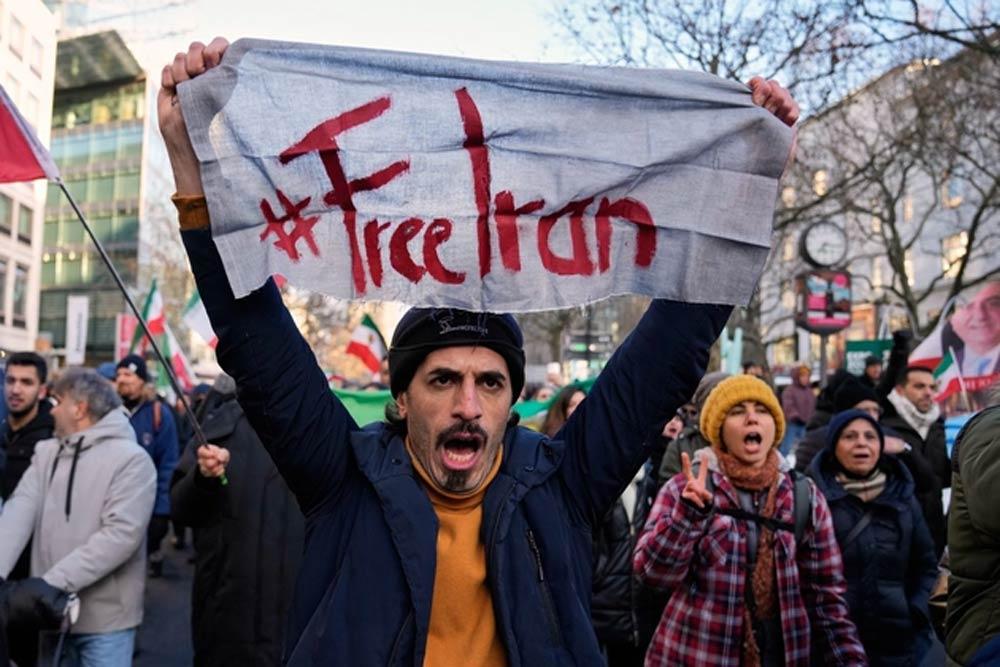
Iran is in the midst of one of the most intense periods of unrest the country has seen in years. What began in late December as protests over economic hardship has grown into a nationwide challenge to the ruling system, with demonstrations spreading across every province. Millions of people have taken to the streets to voice anger over inflation, the collapse of the national currency and the growing belief that the government is disconnected from the realities faced by ordinary citizens.
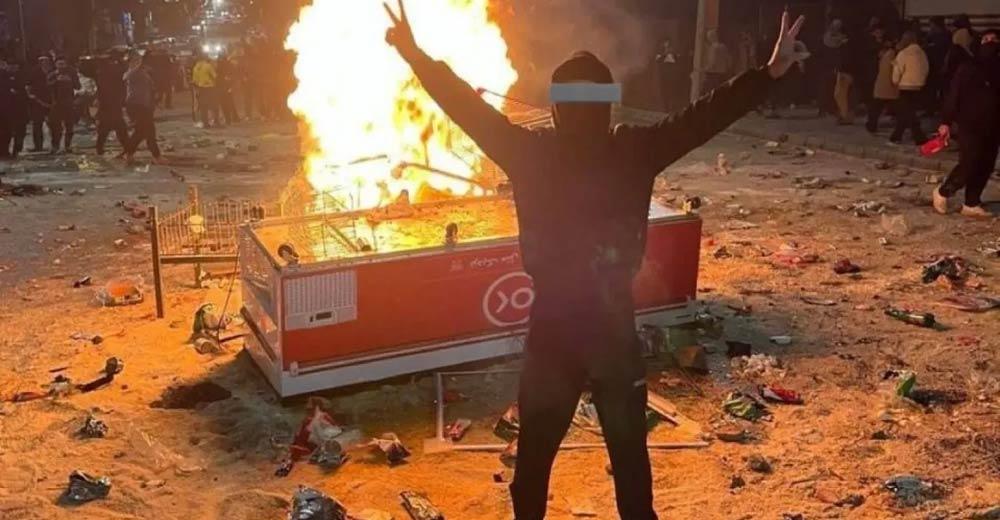
The first spark came from Tehran’s historic Grand Bazaar, where merchants shut their shops in protest against soaring prices and the rapid devaluation of the Iranian rial. From there, the movement spread quickly. Students, workers, shopkeepers and unemployed youth joined together, transforming what began as an economic outcry into a broader political challenge. In cities such as Mashhad, Isfahan and Shiraz, crowds chanted not only for lower prices but also for political change, calling for an end to corruption and clerical rule. Demonstrations have now been reported in more than a hundred towns and cities, showing the depth of public frustration. The government response has been uncompromising. Security forces have used tear gas, water cannon and live ammunition to disperse crowds. Human rights groups report that more than five hundred people have been killed and thousands detained. Many of the victims are young people who were protesting peacefully. Hospitals in major cities are struggling to cope with waves of injured demonstrators, while families search for loved ones who have disappeared into detention centres.
A near total internet blackout imposed since early January has further tightened the authorities’ grip. Mobile data and broadband services have been cut across much of the country, leaving Iranians largely isolated. The shutdown has disrupted banking, commerce and emergency services, while also making it difficult for journalists and rights groups to verify what is happening. For many citizens, the blackout has intensified feelings of fear and isolation. State media presents a sharply different version of events. Protesters are described as rioters and enemies of the state, allegedly backed by foreign powers seeking to destabilise Iran. Funerals for security personnel killed in clashes are broadcast on television, reinforcing the government’s narrative that it is defending the nation against outside plots. This framing has been used to justify the violent crackdown.
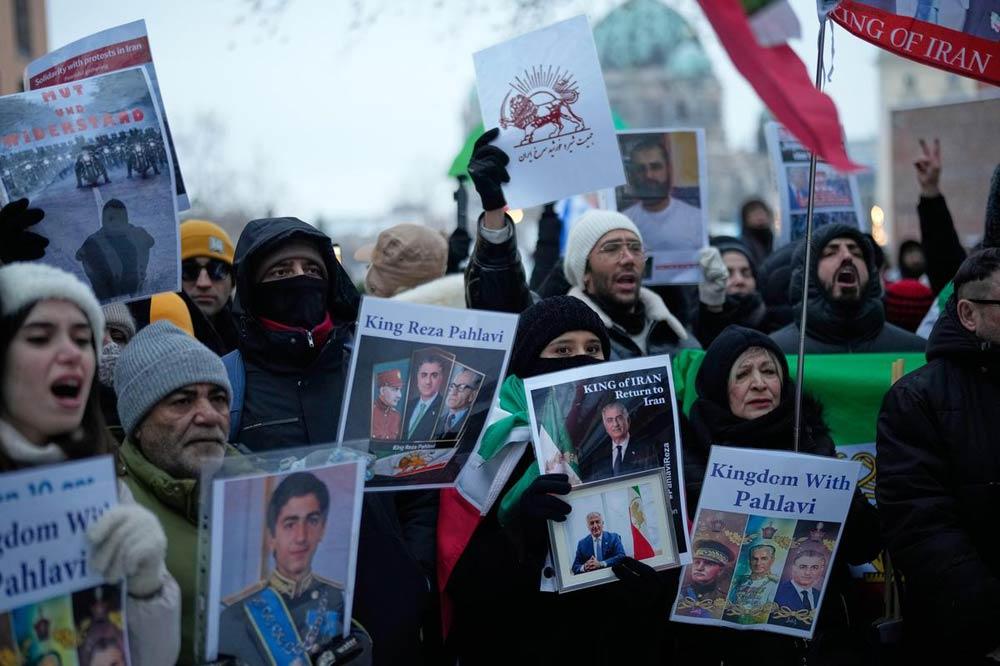
International tensions have risen alongside the domestic crisis. Iranian officials have warned that any foreign intervention would be met with retaliation against Western and Israeli targets, raising the risk of wider conflict. In Washington, the US president has voiced support for the protesters and said the United States stands ready to assist if the violence continues. European governments and global human rights organisations have condemned the killing of civilians and called for restraint and dialogue, though their ability to influence events inside Iran remains limited. The protests have also spread far beyond Iran’s borders. In cities such as London, Berlin and Toronto, Iranian communities have held large rallies in solidarity with those back home. Many have waved the pre 1979 lion and sun flag, a symbol associated with opposition to the current system. These demonstrations show how deeply the unrest has resonated with Iranians around the world.
At the heart of the uprising lies a collapsing economy. Years of sanctions, corruption and mismanagement have left the rial in free fall and pushed the price of basic goods beyond the reach of many families. Food, medicine and fuel are increasingly expensive, while unemployment remains high, particularly among the young. For a generation that sees little chance of stability or opportunity, the protests reflect both economic despair and political anger. The unrest is not limited to city squares. Universities, neighbourhoods and markets have become centres of protest, and in some areas, merchants have gone on strike, closing their shops in defiance. This has added to the economic pressure on the government, which relies heavily on urban trade. Iran now stands at a critical moment. The authorities appear determined to hold on to power through force, yet the persistence of protests suggests that public anger has not been broken. Whether the country moves toward reform, deeper repression or prolonged instability will depend on decisions made in the coming days as millions of Iranians continue to demand change.