By Amaya Perera
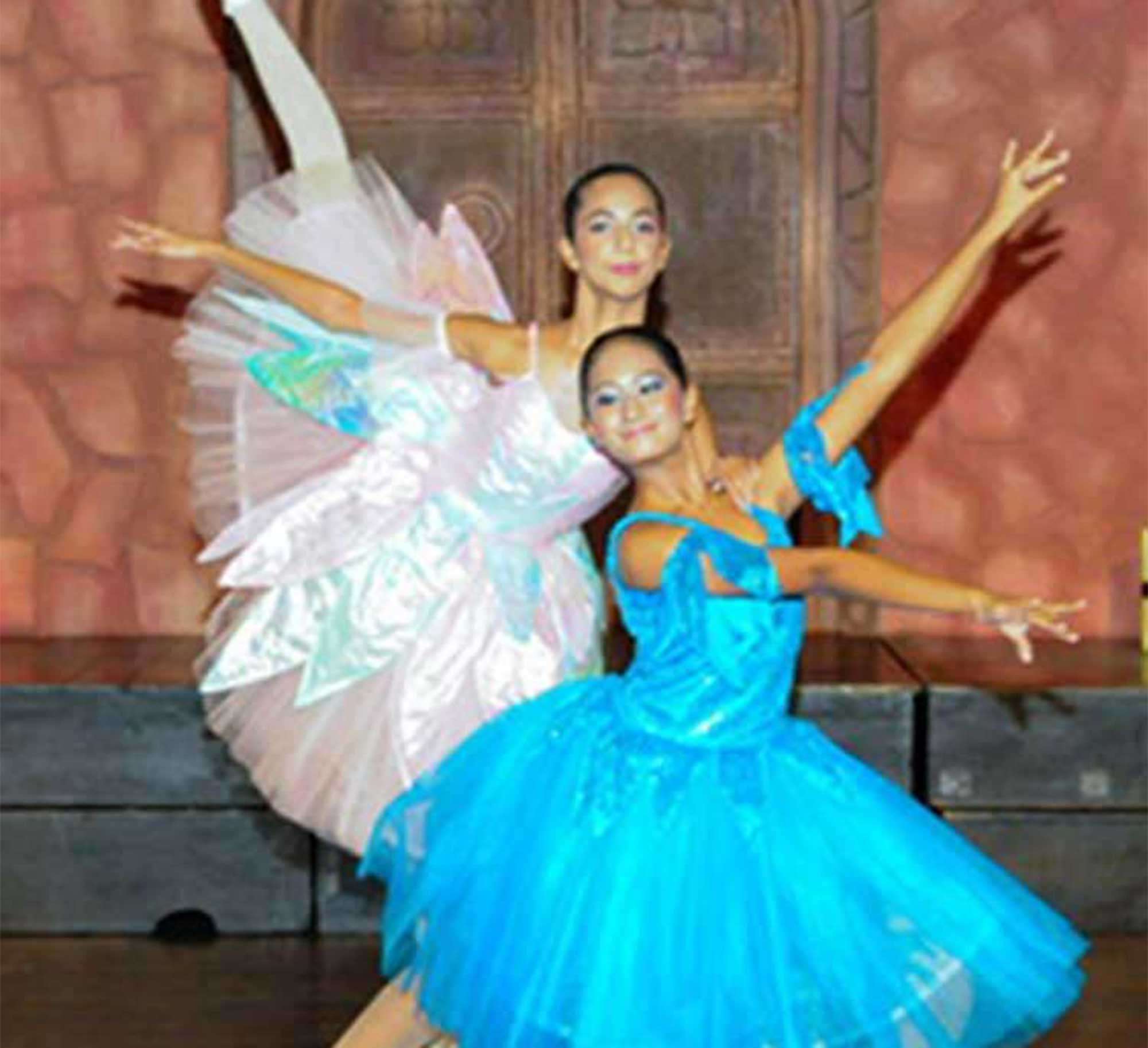
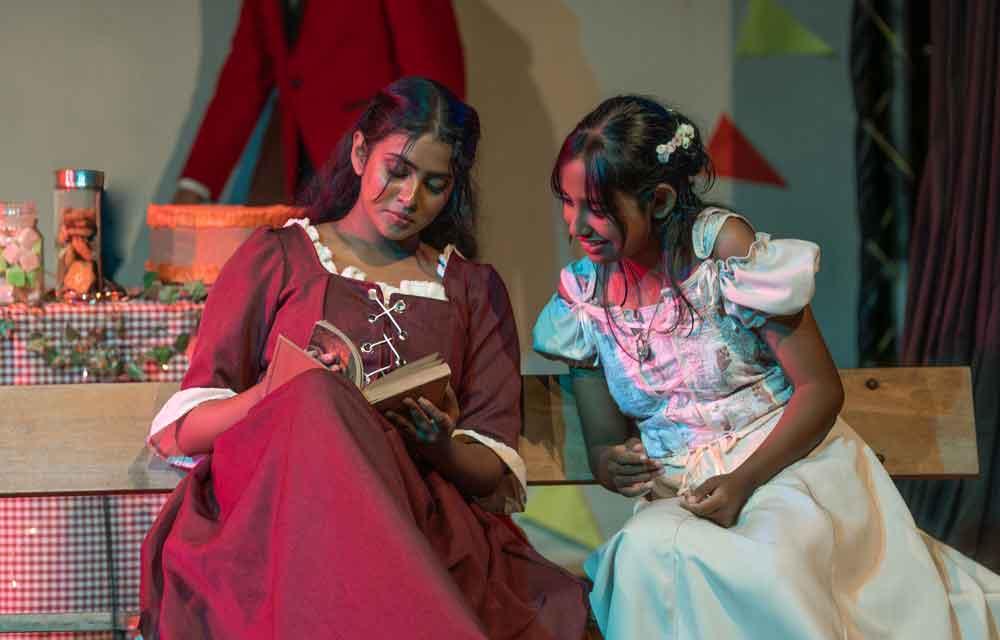
When was the last time we looked closely at the airiest of aristocratic conversations and paid attention to the babble about culture, stability, propriety, and asked whether what was being celebrated was ever worth a damn? Two recent plays from the Colombo School of Arts and Sciences, A Toast to Death and A Toast to Death - The Prequel, do exactly that: rip the veil off the genteel chatter of “high society” and show that behind every polished toast and measured smile is a ledger of human lives quietly sacrificed for reputation, alliances and ambition. If you walked away from these plays feeling unsettled, it’s because you were meant to.
The tragedy at the heart of these twin dramas is not merely the physical death of Jennie Hartwell or the later killing of Charles Grant by Madame Solene. It is the casual way in which esteemed families, social networks, and the so-called pillars of society (complete with titles, introductions and polite applause!) cover up cruelty and tell themselves stories of order, civility and inevitable progress while watching others bleed in silence. For all the talk of lineage and legacy, what strikes one the most is this: a society obsessed with image, with stability and with the idea of “respectability” will always sacrifice truth at the altar of its own façade.
Consider the prequel, where a young woman, Jennie, is coerced into writing a note that will send her into oblivion, her death recorded as “self-inflicted”. The machinery behind this, from the aristocrat anxious for political alliances, to the magistrate keen to preserve civic reputation and more than happy to give circumstances an institutional shrug, feels disturbingly familiar for anyone who has ever watched an elite institution in Sri Lanka mishandle scandal. We love to imagine that high society is above base human failings. The two plays say, with uncompromising clarity, that society is not above anything when self-interest is at stake.
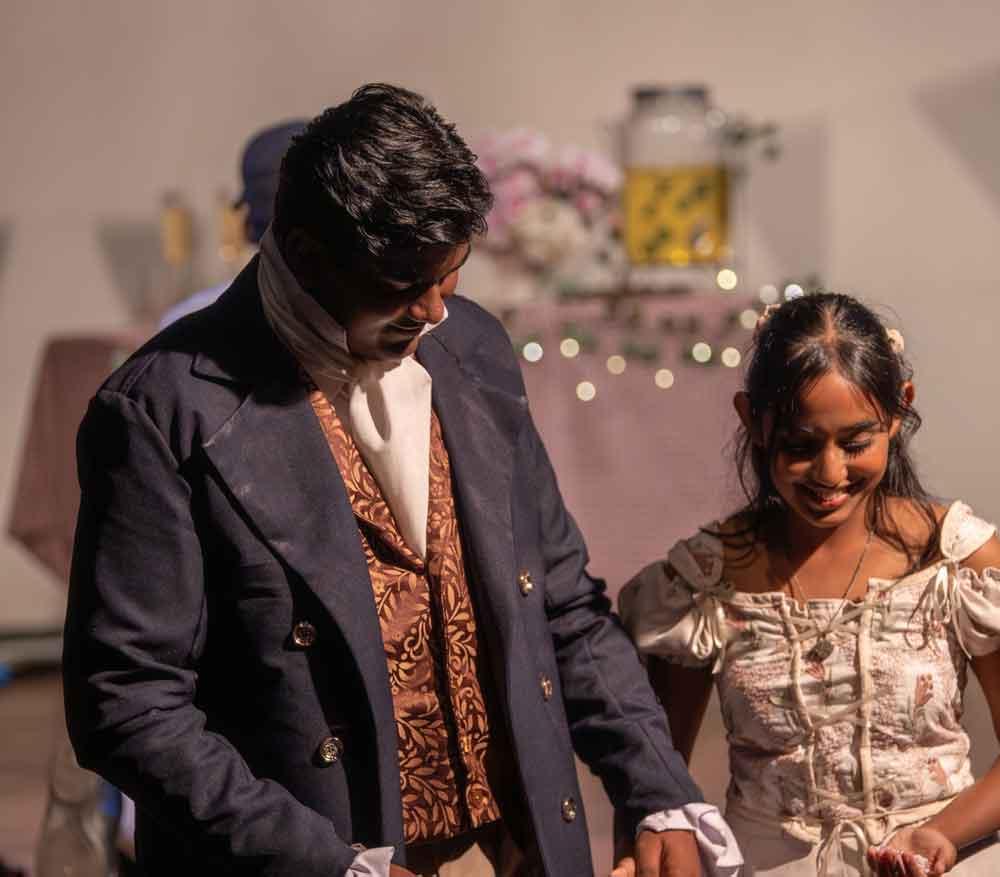
These were not murder mysteries so much as morality tales about how reputation becomes a weapon. In Sri Lankan public life, we have seen similar distortions: scandals are reframed as administrative errors, dismissals become “transformations”, and accountability gets buried under a barrage of press releases. What A Toast to Death exposes is that it is not always the obvious villain who does the killing. Sometimes it is the process - the polite words, the signed documents, the bureaucratic “resolved” - that ensures wrongdoing never sees proper light.
In the sequel, Solene murders Charles believing he abandoned her sister Jennie. This could have been a straightforward revenge plot if the drama were only about passion and betrayal. But the key is this: Solene’s belief is false. The real architects of Jennie’s death - those who used influence, political ambition and social standing to shape and sanitise the narrative - walk free. The tragedy is deeper: a woman kills a man she believes guilty, and the reason she could be misled is that the powerful had already rewritten the story once before. As an audience member, it is not just the act of murder that unsettles one; rather, it is the learned moral blindness that allowed it.
What makes these plays feel eerily relevant to Sri Lanka today is not the aristocratic setting but the culture of preservation of elite dignity at any human cost. We have watched institutions protect their own, suppress uncomfortable voices, and sanitise damaging narratives in the name of “national interest” or “social stability.” Whether we speak of political families, educational institutions, or social elites, the pattern is the same: powerful people have an uncanny ability to hide behind civility while the vulnerable pay for their silence. The plays mirror this with startling precision.
Where A Toast to Death excels is in showing how even good people, such as the character of Lady Margaret in the prequel, find themselves complicit. Lady Margaret sees the wrong unfolding. She warns. She resists. But she also believes that exposing truth politely might be enough, that shining light will shame wrongdoing. We know, instinctively, that it rarely works that way. In the real world, and in the world of the play, “order” is often elevated above insight, and stability over justice. We champion decorum and then wonder why the truth dissolved long ago.
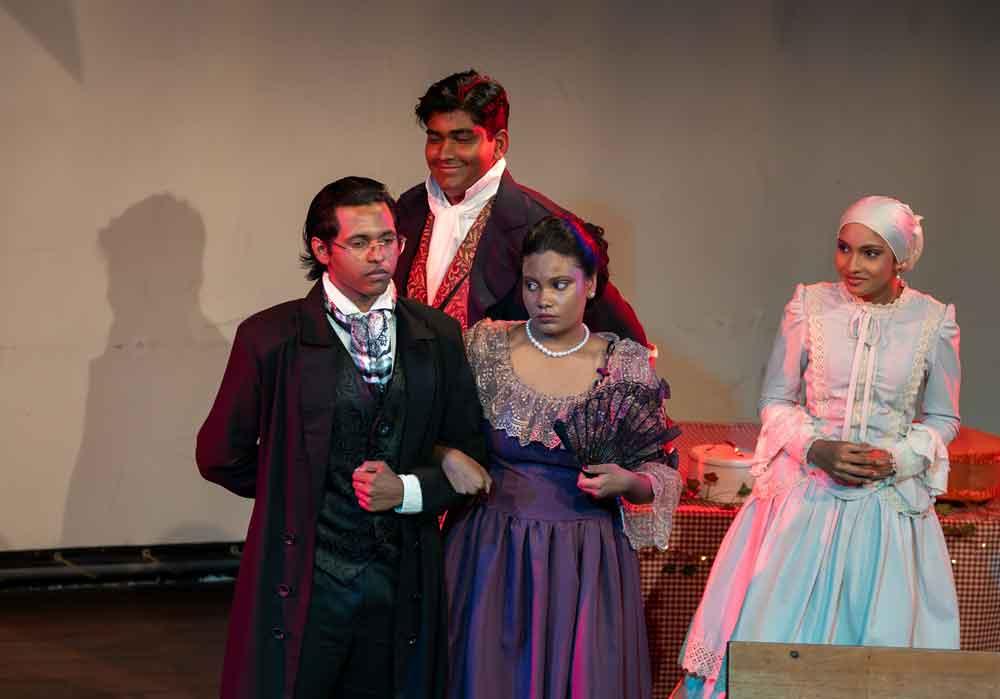
It is also worth noting how the plays portray women navigating structures they did not create. Jennie, Solene, Evelyn - all are constrained or compelled by power dynamics largely decided by men and reinforced by institutions. This is not accidental. It is emblematic of how societies like ours still force women into moral exiles because the larger system is not designed to accommodate truth, only control. When we pretend “everything is civilised now,” what we too often mean is that the powerful smile while the rest of us bear the cost of that smile.
Credit must go to the Colombo School of Arts and Sciences for crafting stories that, beneath period trappings and drama, ask the audience to look inward: at who we choose to believe, who we choose to protect, and how easily we allow comfort to become complicity. These are not plays about the distant past. They are mirrors held up to the present.
In Sri Lanka today, we grouse about fake credentials and hollow promises, but we rarely ask why we tolerate them. We admire titles without interrogating the actions behind them. We celebrate “legacy” while ignoring its casualties. In these plays, legacy becomes the motif of arrogance and evasion; in other words, a reminder that the desire to preserve yourself or your family name is often the greatest barrier to confronting injustice.
If there is one takeaway from A Toast to Death and its prequel it is this: civility is not the opposite of crime. It is often the language criminals use when they have the power to redefine it. We must be careful not to let that language cloud our moral vision. A society that protects its image while betraying its truth is not civilised - it is comfortable at the expense of the vulnerable.
Perhaps the time has come to stop toasting the legacy of high society and start asking uncomfortable questions about what lies beneath the glasses raised in its honour.