The Thriller You Didn’t Notice, but Should: The Hunting Party
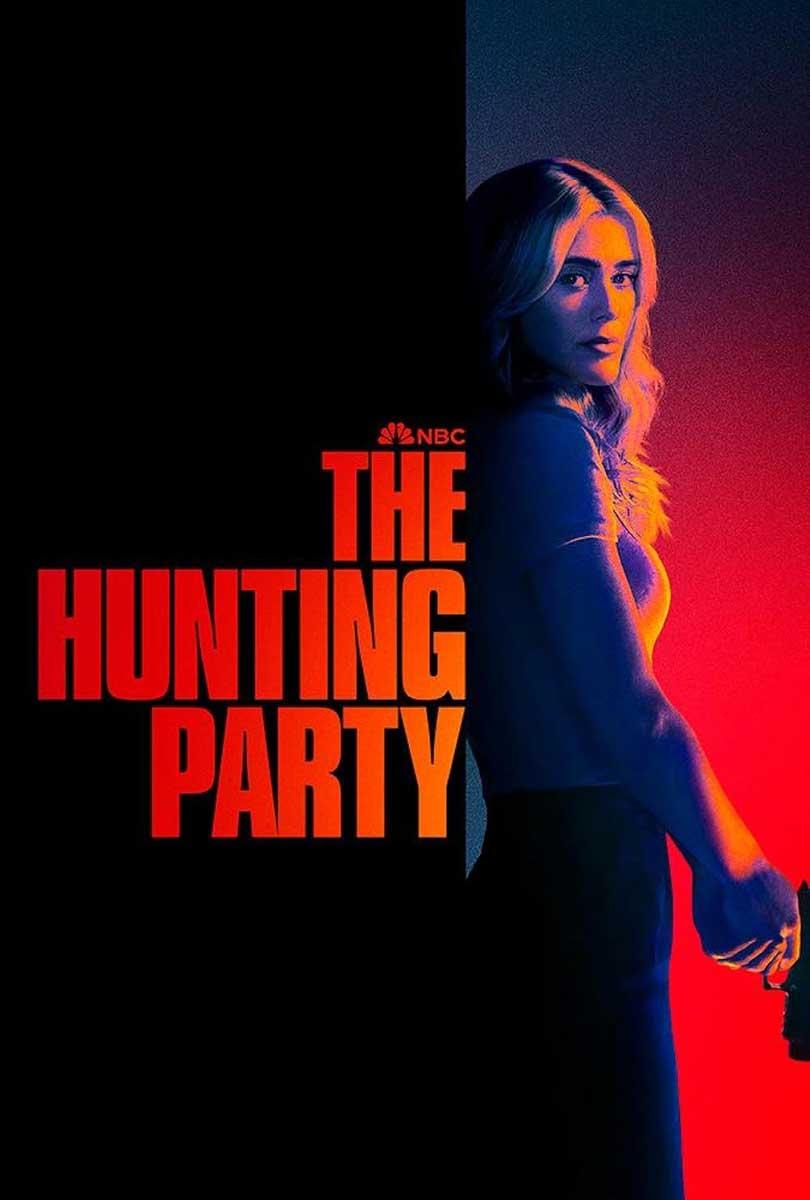
The way I see it, you have two types of shows: shows that arrive with a bang and others slip in quietly, do their job well, and slowly build a following among people who just enjoy a good story. The Hunting Party falls into that second category. It may not dominate headlines or social media trends, but for viewers who like procedural crime dramas with a thriller edge, it offers something solid, steady, and surprisingly gripping.
At its core, The Hunting Party is built on a simple but compelling premise. A secret prison holding some of the most dangerous criminals suffers an explosion, and suddenly those prisoners are no longer contained. A specialised team is formed to track them down before they can harm anyone else. That idea alone sets up the show’s tone, part investigation, part chase, and part mystery unfolding in the background.
The series is led by Melissa Roxburgh, who plays Rebecca “Bex” Henderson, a former FBI profiler pulled back into the field. Roxburgh brings a grounded, calm energy to the role. She isn’t portrayed as a flashy action hero, and that’s part of what works. Her performance leans more into observation, deduction, and emotional restraint, which fits the procedural tone of the show. Instead of constant dramatic outbursts, the tension often comes from the situations around her, the uncertainty, the urgency, and the pressure of the hunt.

The structure of the show follows a familiar procedural rhythm. Each episode tends to focus on tracking one criminal, building a contained investigation that starts with clues and ends with confrontation. But beneath that episodic structure runs a bigger narrative thread, questions about the prison itself, what happened there, and what secrets may still be hidden. That blend of “case of the week” with an ongoing mystery is what gives the series its thriller quality.
This balance is also why the show feels underrated. Procedurals often get dismissed as formulaic, and critics sometimes expect every crime drama to reinvent the genre. The Hunting Party doesn’t try to reinvent anything dramatically. Instead, it focuses on doing the basics well: a clear premise, a focused team dynamic, and steady suspense. And sometimes, that consistency is exactly what makes a show watchable.
The team itself plays an important role in grounding the story. Alongside Bex are characters with different skill sets, intelligence connections, military backgrounds, and investigative instincts, forming a group that feels like a functioning unit rather than just a collection of personalities. The show leans into teamwork rather than lone-wolf heroics, which makes its investigations feel more believable and layered.

What also sets the series apart is its tone. Many modern crime dramas either go extremely dark or overly stylized. The Hunting Party sits somewhere in the middle. It has tension, yes, but it doesn’t rely solely on shock value or graphic storytelling. Instead, the suspense comes from pursuit and strategy. The question is less about what a criminal has done and more about how they will be found.
That approach makes it easier to watch, especially for viewers who enjoy thrillers but don’t necessarily want something emotionally exhausting. It’s suspenseful without being overwhelming, and intense without feeling relentless.
Interestingly, despite mixed critical reception, the show found enough audience interest to earn a second season, which premiered in early 2026. That renewal itself says something important. It suggests that while critics may not have fully embraced it, viewers saw value in the story and characters. Sometimes, audience loyalty grows quietly rather than loudly.
And maybe that’s the best way to understand this series. It isn’t trying to be the loudest show in the room. It’s trying to be dependable. It gives viewers a mystery to follow, a team to root for, and a world that slowly reveals more about itself as episodes progress.
Procedural crime dramas survive on one key factor: whether viewers feel invested enough to keep watching the next episode. The Hunting Party manages to create that pull. Each episode offers closure while still hinting that something bigger is unfolding. That steady rhythm makes it easy to watch one episode and then immediately want another.
Another reason the show feels underrated is timing. The television landscape is crowded, especially with crime dramas. With streaming platforms constantly releasing new shows, it’s easy for something solid to be overshadowed by louder marketing or bigger budgets. The Hunting Party feels like one of those shows that might not trend immediately but could find a strong audience over time, especially as more viewers discover it through streaming.
Melissa Roxburgh’s presence also plays a role in that long-term appeal. Many viewers already recognise her from previous roles, and she brings a familiarity that helps anchor the series. She doesn’t dominate scenes with dramatic intensity; instead, she guides them quietly. That kind of performance often grows on audiences the more they watch.
Ultimately, The Hunting Party works because it understands its genre. It doesn’t try to be overly complex, nor does it rely on constant twists. It tells a story about pursuit, teamwork, and consequences, and it lets that story unfold at its own pace. For fans of crime procedurals and thrillers, that approach can feel refreshing in its simplicity.
Not every show needs to be groundbreaking to be worth watching. Some shows succeed by being reliable, engaging, and quietly immersive. The Hunting Party fits that description well. It may not shout for attention, but it steadily earns it, one investigation, one chase, and one episode at a time. And sometimes, the shows that grow slowly are the ones that last the longest.