Why Every Francophile Should Visit Paris During Design Week
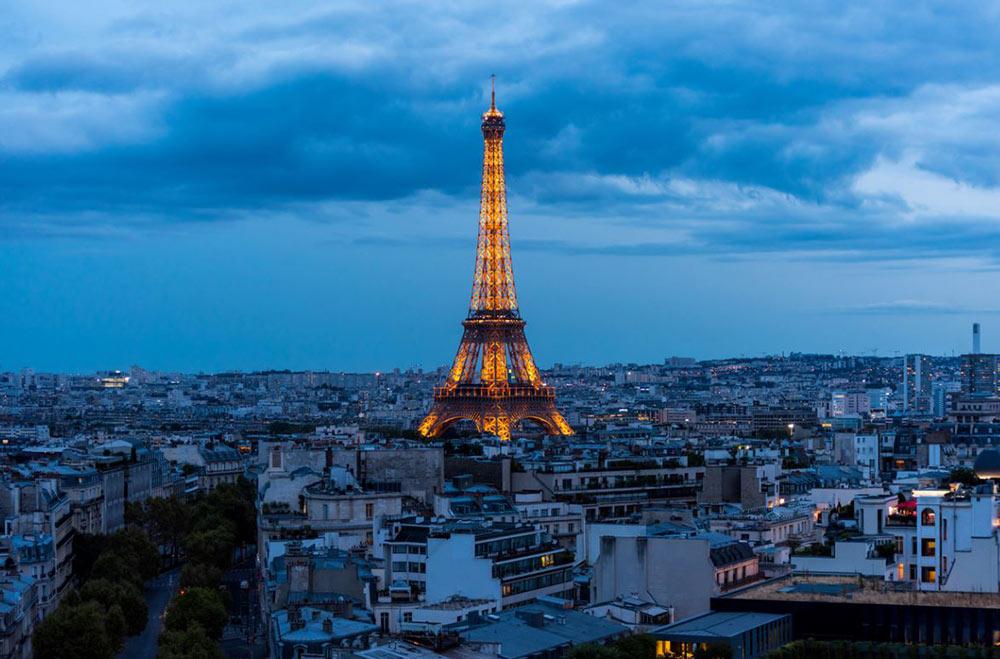
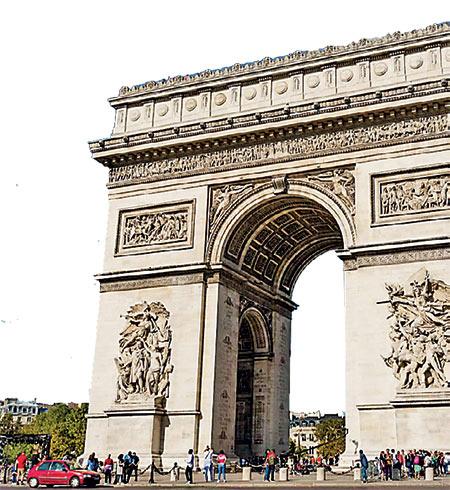 Paris has always occupied a singular place in the global imagination. It is a city where beauty feels effortless, where history and modernity coexist in quiet harmony, and where art is not confined to museums but woven into everyday life. Yet even by Parisian standards, there is one moment each year when the city feels especially electric, when creativity spills into the streets and design becomes a shared language spoken across neighbourhoods, disciplines, and cultures. Paris Design Week is that moment. For Francophiles, it is not merely an event on the calendar but an invitation to experience the city at its most imaginative, forward-thinking, and alive.
During Paris Design Week, the French capital transforms into a vast, open-ended exhibition. Designers, architects, artists, and creative thinkers from across the world converge on the city to present their latest ideas, blurring the boundaries between interior design, fashion, technology, craftsmanship, and visual art. What makes this week so compelling is not only the quality of work on display, but the way it is embedded within the urban fabric of Paris itself. Historic buildings, private courtyards, galleries, showrooms, and even unexpected public spaces become stages for innovation, creating an experience that feels both curated and wonderfully spontaneous.
One of the defining characteristics of Paris Design Week is its geographical spread. Rather than being confined to a single exhibition hall, events unfold across multiple neighbourhoods, each offering a distinct atmosphere and creative lens. In Le Marais, contemporary installations sit against centuries-old façades, creating a striking dialogue between past and present. Elsewhere, cultural institutions, concept stores, and design studios open their doors, inviting visitors to step inside spaces that are usually private or industry-focused. This decentralized format encourages exploration, turning the simple act of walking through Paris into a design journey in itself.
For Francophiles, this blending of heritage and innovation is particularly meaningful. Paris has long been admired for its ability to honour tradition while constantly reinventing itself, and Design Week captures this spirit perfectly. French craftsmanship takes centre stage, with artisans showcasing techniques passed down through generations. Furniture makers, ceramicists, textile artists, and lighting designers reveal the meticulous processes behind their work, offering a rare glimpse into the skill and patience that define French savoir-faire. These demonstrations are not nostalgic exercises but living practices that continue to evolve through collaboration with contemporary designers and new technologies.
What makes these encounters so powerful is the storytelling behind the objects. A hand-carved chair or a woven textile is not presented merely as a functional item, but as a narrative of place, history, and identity. Designers often draw inspiration from regional traditions, natural landscapes, or archival references, reinterpreting them in bold and unexpected ways. For those who love France not only as a destination but as a culture, this fusion of memory and modernity is deeply resonant. It reinforces the idea that French design is not static, but a dynamic conversation between generations.
Beyond craftsmanship, Paris Design Week is also a hub for global exchange. It attracts an international audience of creatives, industry professionals, students, and curious visitors, all drawn by the opportunity to connect, collaborate, and share ideas. Talks, panel discussions, and workshops explore a wide range of themes, from the future of sustainable living to the emotional impact of design on everyday life. These conversations offer valuable insight into how design responds to social, environmental, and technological change, making the week as intellectually stimulating as it is visually captivating.
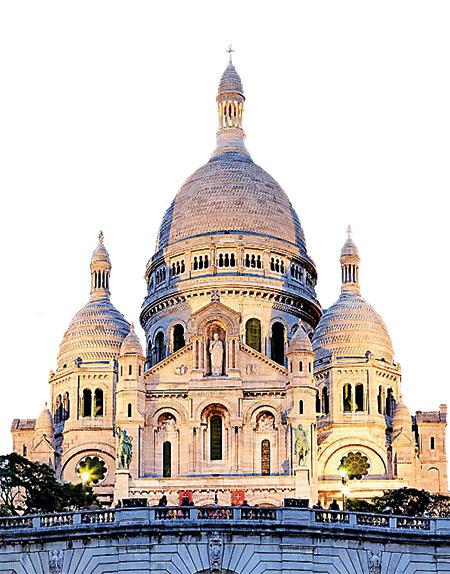 Even for those without a professional background in design, the atmosphere is infectious. There is a sense of openness and accessibility that defines the event, with many exhibitions free to enter and others available at modest cost. This democratic approach allows anyone with an interest in creativity to participate, whether by attending a lecture, joining a guided tour, or simply wandering into a showroom out of curiosity. The result is an inclusive environment where inspiration feels within reach, and where visitors are encouraged to engage rather than observe from a distance.
A particularly exciting aspect of Paris Design Week is its commitment to emerging talent. Alongside established names, the programme gives space to young designers and independent studios who are experimenting with new forms, materials, and concepts. These presentations often feel raw, daring, and refreshingly unconventional, challenging traditional ideas of what design should look like or how it should function. For Francophiles, discovering these fresh voices offers a glimpse into the future of global design, while also reinforcing Paris’s role as a launchpad for creative innovation.
Technology plays an increasingly important role during the week, adding another layer of intrigue. Interactive installations, digital projections, and smart design concepts demonstrate how technology is reshaping the spaces we inhabit. Some exhibitions invite visitors to engage directly, using augmented reality to visualize furniture in different settings or explore how light, colour, and texture can be manipulated through digital tools. These experiences bridge the gap between imagination and reality, making design feel playful, experimental, and deeply relevant to contemporary life.
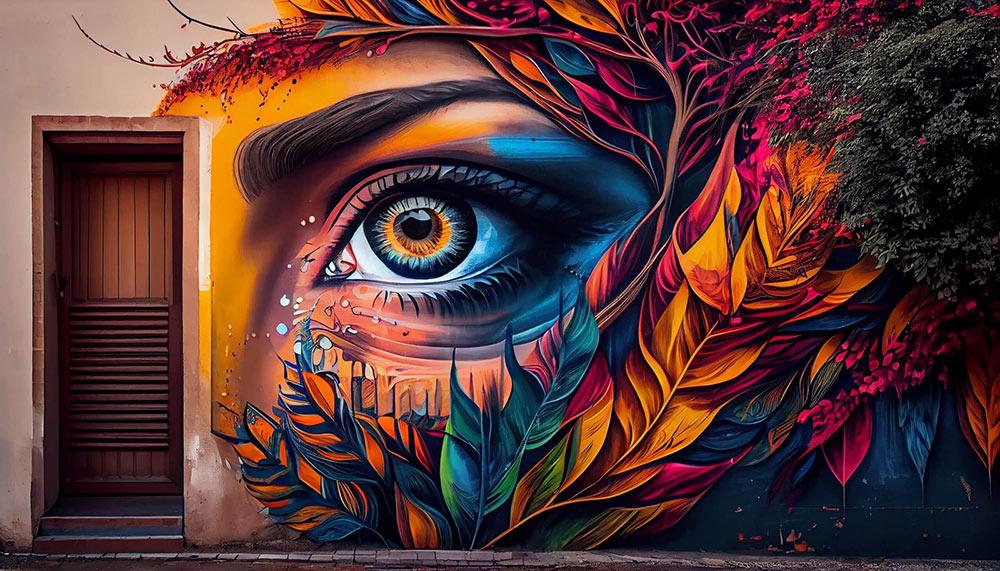
Yet one of the most enchanting aspects of Paris Design Week is how it encourages visitors to see the city itself differently. During this time, Paris becomes a living canvas. Pop-up installations appear in unexpected locations, from quiet courtyards to bustling streets. Architectural details that might otherwise go unnoticed suddenly feel significant, framed by the creative energy of the moment. Even metro stations and shop windows contribute to the visual dialogue, reminding visitors that design is not confined to elite spaces, but part of the everyday urban experience.
This heightened awareness transforms the simple pleasures of being in Paris. A walk along the Seine, a pause in a sunlit square, or a stroll through a narrow side street becomes an act of observation and inspiration. The city invites you to slow down, to look more closely, and to appreciate the subtle interplay of form, colour, and texture that defines Parisian aesthetics. For Francophiles, this way of seeing feels instinctive, reinforcing why Paris continues to hold such enduring appeal.
Of course, no Parisian experience would be complete without indulging in the city’s culinary and social rituals, and Design Week offers ample opportunity to do so. Between exhibitions, visitors retreat to cafés, patisseries, and wine bars, where conversations about design naturally blend with discussions of art, travel, and life. These moments of pause are not interruptions, but an essential part of the experience. They reflect the Parisian philosophy that creativity thrives when balanced with pleasure, reflection, and human connection.
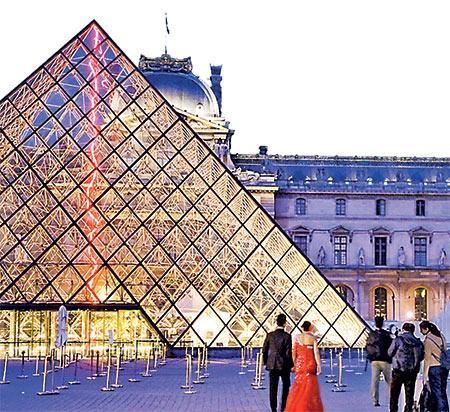 Dining during Design Week often feels like an extension of the event itself. Many venues embrace the creative spirit, hosting informal gatherings, launches, or collaborations that blur the line between socializing and networking. Sharing a coffee or a glass of wine becomes an opportunity to exchange ideas, meet like-minded people, and absorb the cosmopolitan energy that defines Paris at its best. For visitors, these interactions add depth and warmth to the experience, making it as much about people as it is about objects.
Another compelling reason to visit Paris during Design Week is its increasing focus on sustainability and responsible design. In response to global challenges, many designers are rethinking materials, production methods, and consumption habits. Exhibitions highlight eco-friendly practices, from the use of recycled and upcycled materials to innovations in energy efficiency and circular design. This emphasis demonstrates how creativity can be a force for positive change, aligning aesthetic ambition with environmental responsibility.
For Francophiles who value both beauty and meaning, this shift is particularly significant. It reinforces the idea that Paris is not only a guardian of tradition, but also a leader in shaping a more thoughtful and sustainable future. By engaging with these ideas firsthand, visitors gain a deeper understanding of how design can influence lifestyles, values, and the way we interact with our surroundings.
Ultimately, Paris Design Week is more than a showcase of trends or products. It is a living dialogue between history and innovation, between local identity and global influence. It captures the essence of Paris as a city that constantly reinvents itself while remaining true to its soul. For Francophiles, attending Design Week is a way of connecting more deeply with the city, of experiencing Paris not just as a destination, but as a source of inspiration and creative energy.
Whether wandering through gallery-lined streets, discovering the work of emerging designers, or lingering over espresso in a quiet courtyard, visitors are reminded why Paris continues to enchant generation after generation. Design Week simply amplifies what the city already does best: it invites you to look closer, think deeper, and fall in love all over again.
For anyone who loves design, fashion, art, or culture, Paris Design Week offers a chance to see the city in a new light. It is a reminder that Paris is not merely a place on the map, but an experience shaped by creativity, curiosity, and imagination. For Francophiles, there is perhaps no better time to be there.