The Sacred Rhythm of Time: Understanding the Significance of the Twelve Full Moon Poya Days in Buddhism
By: Amaya Perera.
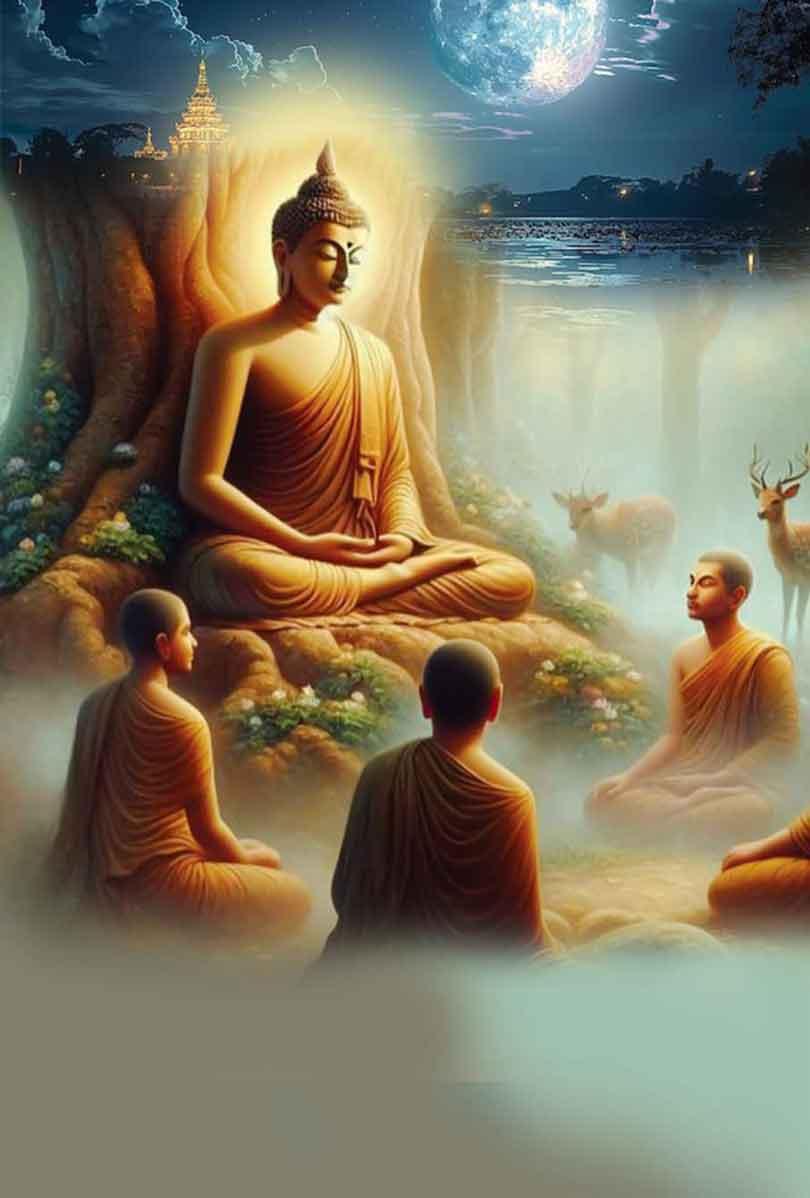
In Buddhism, time is not merely a way of measuring days and months. It is a sacred rhythm, marked by moments of reflection, remembrance and spiritual renewal. Among the most important markers of this rhythm are the full moon days, known as Poya days. Observed with deep reverence, particularly in Sri Lanka and Theravada Buddhist traditions, the twelve full moon Poya days of the lunar year commemorate key events in the life of the Buddha as well as significant moments in Buddhist history and practice. Together, they form a spiritual calendar that guides devotees through a year of ethical living, mindfulness and devotion.
Poya days are based on the lunar calendar, with each full moon holding religious significance. On these days, Buddhists traditionally observe Sil, refrain from harmful actions, engage in meditation, listen to sermons and visit temples. Alcohol and meat sales are restricted in Sri Lanka, reinforcing the idea of moral restraint and reflection. While modern life has changed how some people observe Poya, the deeper spiritual meaning of these days remains central to Buddhist identity and practice.
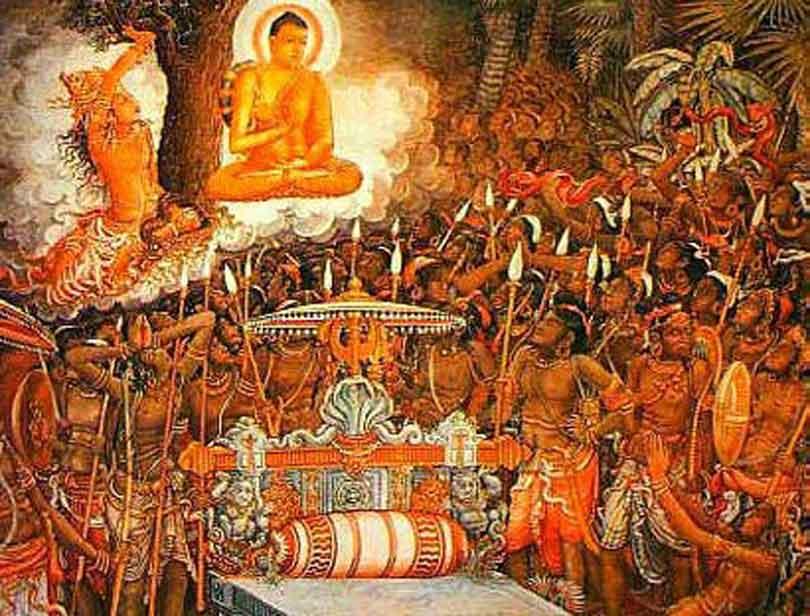
The first Poya of the year is Duruthu Poya, which usually falls in January. This day commemorates the Buddha’s first visit to Sri Lanka, believed to have taken place nine months after his enlightenment. According to tradition, the Buddha travelled to Mahiyanganaya to prevent a conflict between the Yakkha tribes and to bring peace to the island. Duruthu Poya symbolises the introduction of the Buddha’s message of non violence, compassion and harmony to Sri Lanka, and it marks the beginning of the island’s spiritual connection to Buddhism.
Following Duruthu comes Navam Poya in February. This Poya is significant for two major events. It marks the first Buddhist council held at Veluwanaramaya in Rajagaha, where 1,250 enlightened monks gathered spontaneously to hear the Buddha preach the Ovāda Pātimokkha. This sermon laid down the fundamental principles of Buddhism: to refrain from evil, to cultivate good and to purify the mind. Navam Poya also commemorates the Buddha’s appointment of two chief disciples, Sariputta and Moggallana, highlighting the importance of wisdom and compassion in spiritual leadership.
Medin Poya, observed in March, commemorates the Buddha’s first visit to his родal home in Kapilavastu after attaining enlightenment. During this visit, the Buddha met his father King Suddhodana and other members of the royal family. It was also on this occasion that his son Rahula was ordained as the first novice monk. Medin Poya reflects themes of detachment, responsibility and the balance between worldly ties and spiritual pursuit.
April’s Bak Poya marks the Buddha’s second visit to Sri Lanka, during which he is believed to have mediated a dispute between the Naga kings Chulodara and Mahodara over a gem studded throne. Once again, the Buddha’s role as a bringer of peace is emphasised. Bak Poya reminds Buddhists that true strength lies not in power or possession, but in wisdom, patience and reconciliation.
The most sacred of all Poya days is Vesak Poya, which usually falls in May. Vesak commemorates three pivotal events in the Buddha’s life: his birth, his enlightenment and his passing away into Parinibbana. All three events are believed to have occurred on a Vesak full moon. Vesak is observed with immense devotion, with temples illuminated, lanterns displayed and acts of generosity carried out across communities. It is a time for deep reflection on the Buddha’s teachings and the impermanent nature of life, as well as a celebration of compassion, kindness and selflessness.
Poson Poya, observed in June, holds special significance in Sri Lanka. It marks the arrival of Arahant Mahinda, the son of Emperor Ashoka, who introduced Buddhism to Sri Lanka during the reign of King Devanampiyatissa. The meeting between Arahant Mahinda and the king at Mihintale is considered a defining moment in Sri Lankan history. Poson Poya symbolises the formal establishment of Buddhism on the island and the beginning of a civilisation shaped by Buddhist values such as non violence, tolerance and ethical governance.
Esala Poya, which falls in July or August, commemorates several important events. It marks the Buddha’s first sermon, the Dhammacakkappavattana Sutta, delivered to the five ascetics at Isipatana. This sermon set the Wheel of Dhamma in motion and laid the foundation for the Four Noble Truths and the Noble Eightfold Path. Esala Poya also marks the conception of the Buddha and, in Sri Lanka, is closely associated with the Esala Perahera, a grand cultural and religious procession that blends devotion with tradition.
Nikini Poya, observed in August, is associated with the first Buddhist council held after the Buddha’s passing away. During this council, the teachings of the Buddha were recited and preserved by his disciples to ensure their accurate transmission. Nikini Poya highlights the importance of preserving the Dhamma and maintaining the purity of the teachings across generations.
Binara Poya, in September, commemorates the establishment of the Bhikkhuni Sasana, the order of Buddhist nuns. On this day, Mahapajapati Gotami, the Buddha’s foster mother, became the first Bhikkhuni after receiving permission from the Buddha. Binara Poya represents progress, spiritual equality and the recognition of women’s capacity for enlightenment within the Buddhist tradition.
October’s Vap Poya marks the conclusion of the Vassana period, the annual rains retreat observed by monks. It also commemorates the Buddha’s descent from the Tusita heaven after preaching the Abhidhamma to his mother. Vap Poya symbolises gratitude, discipline and the sharing of merit, as lay devotees offer alms to monks who have completed their retreat.
The final two Poya days of the year are Il Poya and Unduvap Poya, observed in November and December respectively. Il Poya commemorates the dispatch of Buddhist missionaries to various regions following the Third Buddhist Council, highlighting the spread of the Dhamma beyond its place of origin. Unduvap Poya marks the arrival of Sanghamitta Theri in Sri Lanka with a sapling of the sacred Bodhi tree under which the Buddha attained enlightenment. This event led to the establishment of the Bhikkhuni Sasana in Sri Lanka and the planting of the Sri Maha Bodhi in Anuradhapura, one of the most sacred sites in the Buddhist world.
Together, the twelve Poya days are more than historical commemorations. They serve as ethical reminders and spiritual checkpoints throughout the year. Each Poya invites Buddhists to pause, reflect and realign their lives with the teachings of the Buddha. In a fast paced world driven by material concerns, these days offer moments of stillness and moral clarity.
The significance of Poya days also lies in their communal aspect. They bring families and communities together in shared observance, reinforcing collective values of compassion, generosity and restraint. Even for those who may not observe every ritual, the presence of Poya in public life serves as a gentle reminder of mindfulness and moral responsibility.
In essence, the twelve full moon Poya days form a sacred cycle that connects past, present and future. They honour the life of the Buddha, preserve the history of the Dhamma and guide practitioners in their personal spiritual journeys. Through these days, Buddhism remains not just a philosophy, but a living tradition woven into the fabric of everyday life.