From Corporate Suits to Creative Freedom: Preethi Nair on Storytelling, Identity and Courage.
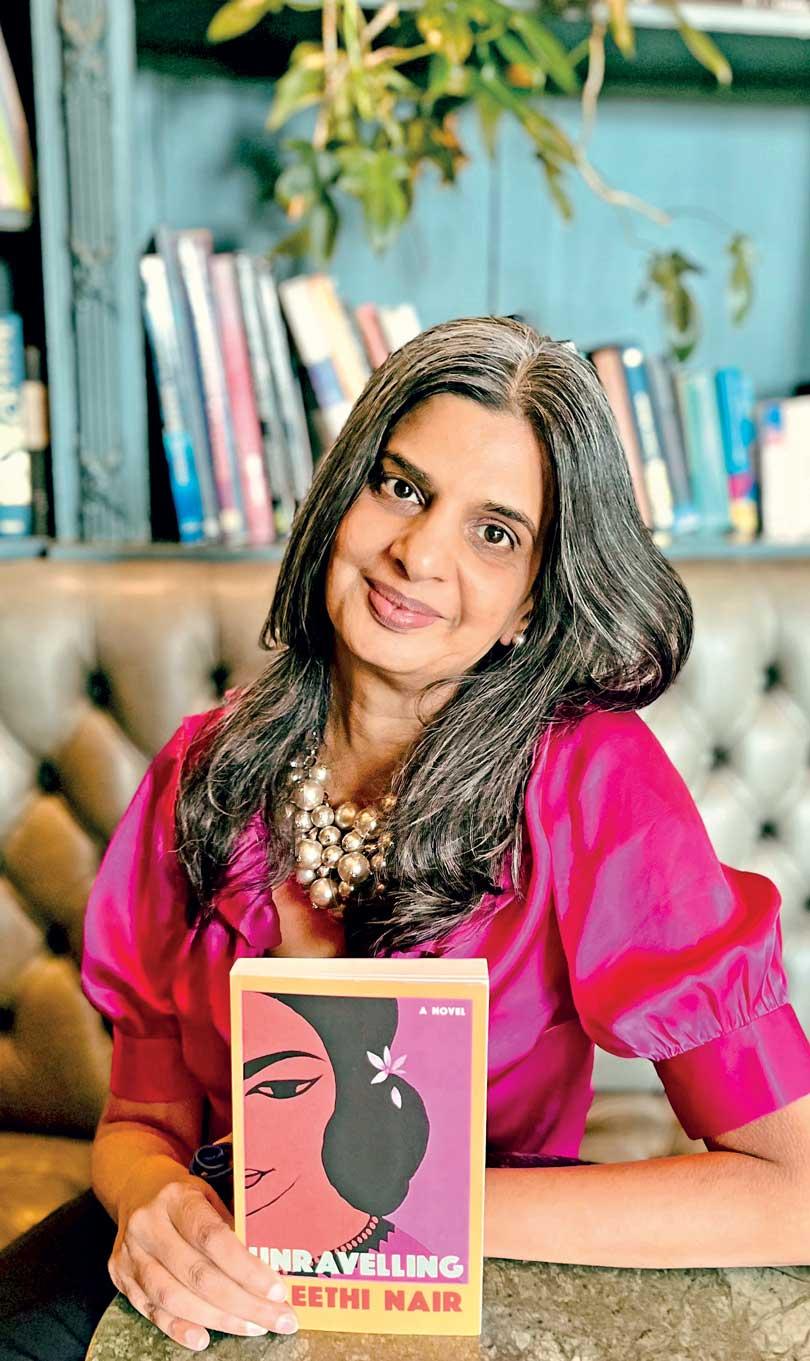

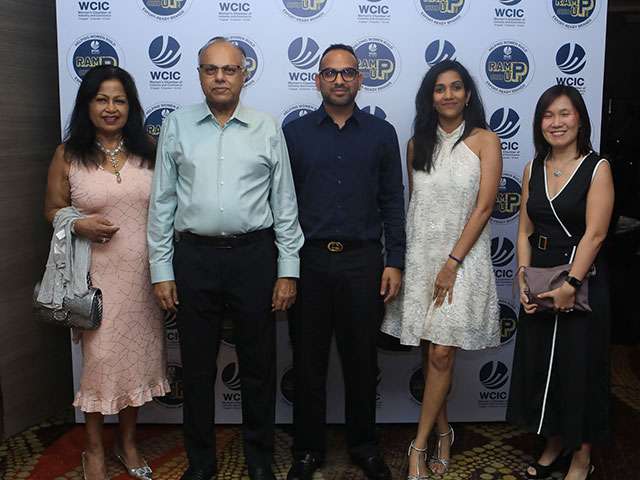
I first met Preethi Nair on a cold Autumn, London evening, alongside The Sun (Daily Mirror) columnist, Farzana Baduel, during a night out at Soho Theatre. We were there to watch comedian Hasan Al-Habib’s sharp and subversive Death to the West Midlands, but before the lights dimmed and the laughter began, the conversation unfolded over pizza and wine. It was one of those pre-show dinners that unexpectedly becomes the main event. We spoke about her books, her fearless decision to walk away from corporate life, her one-woman stage performance, and the creative conviction that has shaped everything she has built since. Preethi has never followed a prescribed path. Instead, she has rewritten the rules entirely, carving out space for herself as a novelist, performer, speaker and creative strategist. Her story is not just about publishing success, but about identity, courage and the radical act of listening to one’s inner voice.
You moved from India to the UK as a child. How did that experience shape who you are today?
I was born in a tiny village in Kerala, South India, and came to England as a baby. We lived in the East End of London, which was a tough place to grow up in during the 1970s. I remember returning to Kerala for the first time when I was four or five years old, and the contrast was striking. It felt like stepping out of a black and white film in England and into full technicolour in India. My mother often recalls that when we arrived in the village, it was dark. I jumped out of the car and ran straight to my grandmother’s house. I had no idea where it was, yet somehow, I found it. My grandmother was like something out of a fairytale. She could read people’s faces and tell their fortunes, although looking back, I am not entirely sure she really could. She owned the local rice mill, which meant villagers gathered there regularly. Many of them brought letters they could not read, because my grandmother was one of the very few people who was literate. She would read the letters aloud, and in doing so, people would share their worries, joys and personal struggles with her. Kerala felt entirely different from London because I felt I belonged there. For many years, I longed to return to my grandmother and the village. In London, I felt like a complete outsider. Like many children of immigrant South Asian parents, I lived a double life. At home, there were expectations and traditions. Outside, there was a different reality. My parents wanted me to become a lawyer. I wanted to be a writer, and I knew that from a very young age. Writing became the way I made sense of my emotions and my identity. Although I write fiction, I write about what I know, and my cultural heritage deeply influences my work.
You began your career in the corporate world. What made you ultimately walk away from it?
I always knew I wanted to be a writer, but I became a management consultant instead, largely because I was a people pleaser. My parents wanted me to have what they considered a professional career, and writing was not seen as one. From the very first day I put on a suit, I knew it was not who I was. I was creative, and all I wanted to do was write. Because I felt unable to fully live that truth, I wrote in secret. I wrote on my commute to and from work and on weekends. Writing became something deeply personal, a private space I held onto while trying to survive in a world that felt completely wrong for me.
What was the turning point that pushed you to write your first novel, Gypsy Masala?
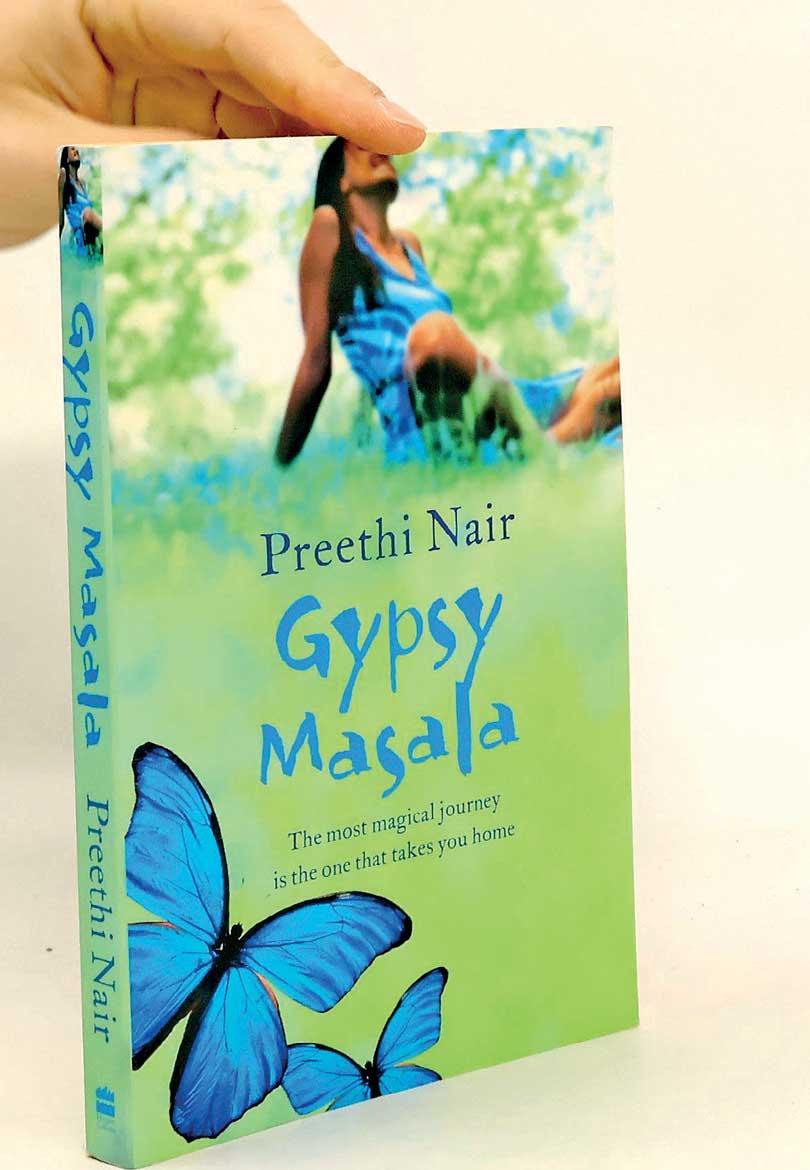
The turning point came unexpectedly. I began suffering from continuous sore throats and eventually went to see a Reiki healer. They told me my fifth chakra, which is associated with communication and expression, was blocked, and that I needed to express myself creatively. They suggested I pay attention to my dreams, and most of my dreams were about writing. I decided to follow that instinct. Gypsy Masala became a story about following your dreams. Through different members of the same family, the narrator asks whether they have dared to follow theirs. What emerges is a story about hope, fear and the courage it takes to choose a life that feels true.
You faced early rejections from publishers. How did you stay motivated during that time?
I was rejected at least twenty-seven times, if not more. Ironically, I received a letter from HarperCollins, which feels fitting now as I eventually signed with them. One editor wrote that the book was not quite right for them, but that my writing was captivating, and that good writing would always find its way in the end. That sentence stayed with me. I stayed motivated by focusing on the end goal and what I wanted to achieve. I believed the book had already changed me, and I hoped it would eventually change others as well.
Why did you decide to create your own publishing and PR route rather than wait for traditional publishers?
I reached a point where I genuinely did not believe I would be published through traditional routes. One day, I had the idea that I would self-publish, make the book incredibly popular, and then sell it to a major publishing house. I took a sheet of paper and wrote out the story of where I wanted to be. Best-selling novelist. Books published internationally. I then broke that vision down into a clear strategy. I did not have the money to hire a publicist, so I created an alter ego who was the opposite of me. I called her Pru. Pru got Gypsy Masala into the book charts and secured a three-book deal with HarperCollins. All of this happened while I was still putting on a suit and pretending to go to work. I was effectively running two businesses while maintaining the illusion of a conventional corporate life. Pru was shortlisted as Publicist of the Year. I won Young Achiever at the Asian Women of Achievement Awards. My second novel, One Hundred Shades of White, was translated internationally and optioned for television.
Your alter ego, Pru Menon, became central to your book’s success. What did that experiment teach you about storytelling and branding?
It taught me that no matter how good your product is, you have to talk about it, and you have to know how to talk about it. It taught me how to pitch to journalists and understand what makes a compelling story.
Looking back, what did that journey teach you about risk, failure and resilience?
I was making around thirty calls a day and being rejected almost all the time. Yet I kept going. I think what helped was treating it like a game. Sometimes I would change my voice or use different accents just to keep myself going. Pru’s only objective was to secure as many press interviews as possible, and that playful approach helped me build resilience.
How did your background as a consultant influence your approach to creativity and entrepreneurship?
Consulting gave me structure and discipline. I have a naturally intuitive, right-brain way of thinking, but consulting trained my left brain. When creativity is supported by strategy and structure, it becomes far more powerful.
What is the central message you want readers to take from your books?
If there is one message that runs through all my books, it is to follow your heart, no matter how difficult that may feel.
Which of your books is most personal to you, and why?
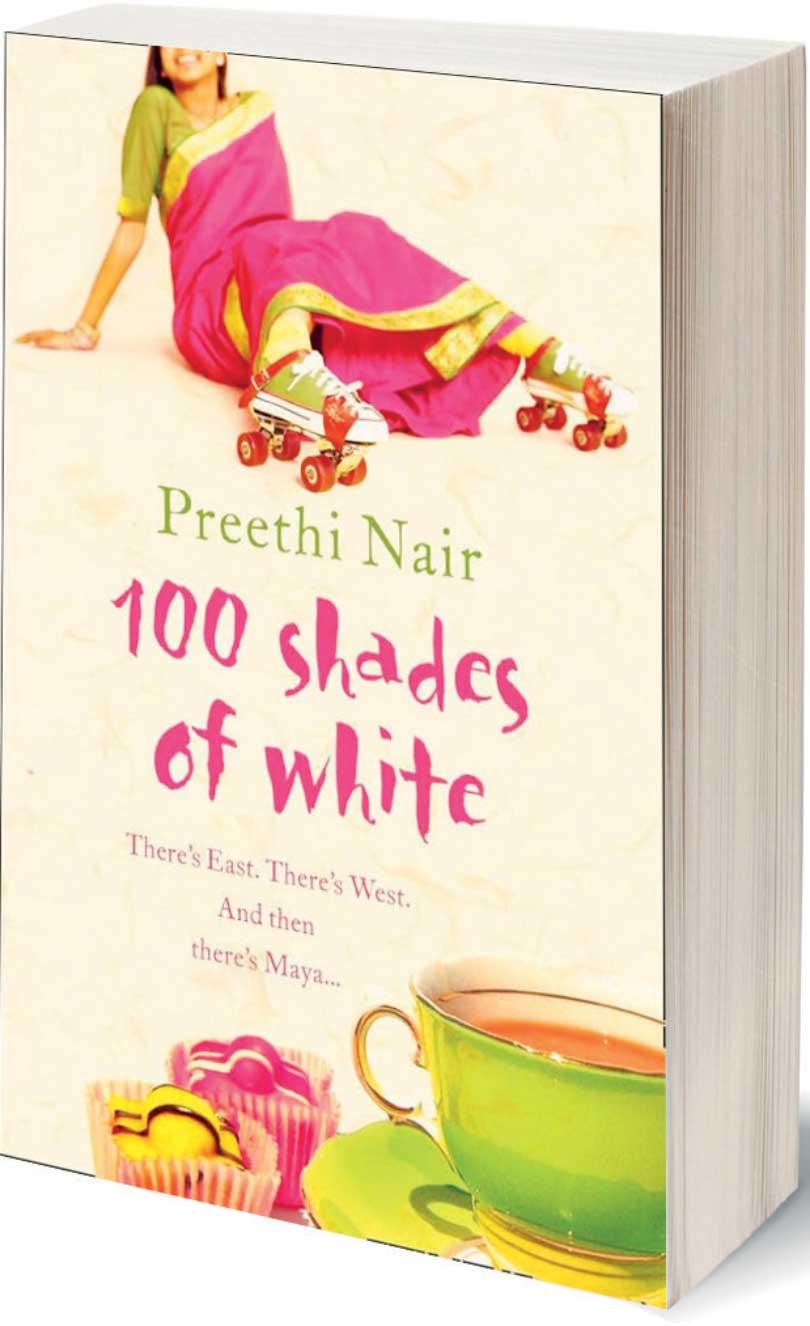
All my books are personal because I was working through something in my own life while writing each one. However, One Hundred Shades of White means the most to me. It explores a mother-daughter relationship through food. I wrote it in a complete flow state over six weeks, and it became my most commercially successful book.
You created the one-woman show Sari: The Whole Five Yards. What inspired you to bring your story to the stage?
I think I was going through a midlife crisis. I wrote the show but was told repeatedly that there was no market for a sixty-year-old woman. That made me angry. So, I booked a theatre myself and decided to perform all twenty-two characters, despite never having acted before. It took eighteen months and was both terrifying and exhilarating. The producer of ‘The Crown’ came to see it and later optioned it for television. The experience inspired my fourth novel, Unravelling, which follows Bhanu, a sixty-year-old woman whose seemingly perfect life begins to fall apart when her first love reappears.
How is performing on stage different from writing a novel?
They are completely different experiences. Writing is solitary. You create your own world quietly. Performing is collaborative and immediate. You work with a director and respond to a live audience in real time. There is no opportunity to edit or reflect on stage.
You now speak widely about creativity and leadership. Why is storytelling so powerful in business?
There is research showing that most data is forgotten within days, while stories are far more memorable. When leaders combine data with storytelling, they are able to connect, inspire and build trust more effectively.
What is the biggest misconception people have about creativity?
People believe they are not creative. Creativity is a muscle. When it is used, it strengthens and opens up new ways of thinking.
How do you help people overcome fear and self-doubt in your workshops?
We confront it directly. I create a safe space where fear is allowed to surface. I never ask participants to do anything I have not done myself, which allows me to guide them through that fear with honesty and empathy.
What does changing your story to change your life really mean?
We all live by stories we have not questioned for years. Changing your story means examining whether it still serves you. If it does not, you let it go and choose a new one. The moment you do that; your life begins to change.
As a British Indian woman, how has your identity influenced your work and voice?
I draw heavily from my culture, my family and my lived experiences. All of it is embedded in my work.
Have you ever felt pressure to represent your community as a public figure?
No. I find representing myself challenging enough.
What advice would you give to young British Asian women pursuing creative careers?
Be tenacious. Believe in yourself. Expect obstacles, because they are there to test your resolve. Focus on the end goal but try to meet challenges with light-heartedness. Ironically, it is the journey that shapes you, not the destination.
If you could give your younger self one piece of advice, what would it be?
Enjoy the ride.
Your novels move across different cultures and emotional landscapes. How do you decide what story to tell next?
The story usually finds me. It is often something I am personally working through, an idea that refuses to leave me. Unravelling emerged from recognising the gap between outer appearances and inner reality, something I began noticing not only in myself but in many women around me.
In One Hundred Shades of White, you explore identity and belonging. How much of that comes from your lived experience?
A great deal of it. The book explores rejecting and later reconnecting with culture through food. Writing allows me to make sense of my own life, with the hope that it helps others understand theirs.
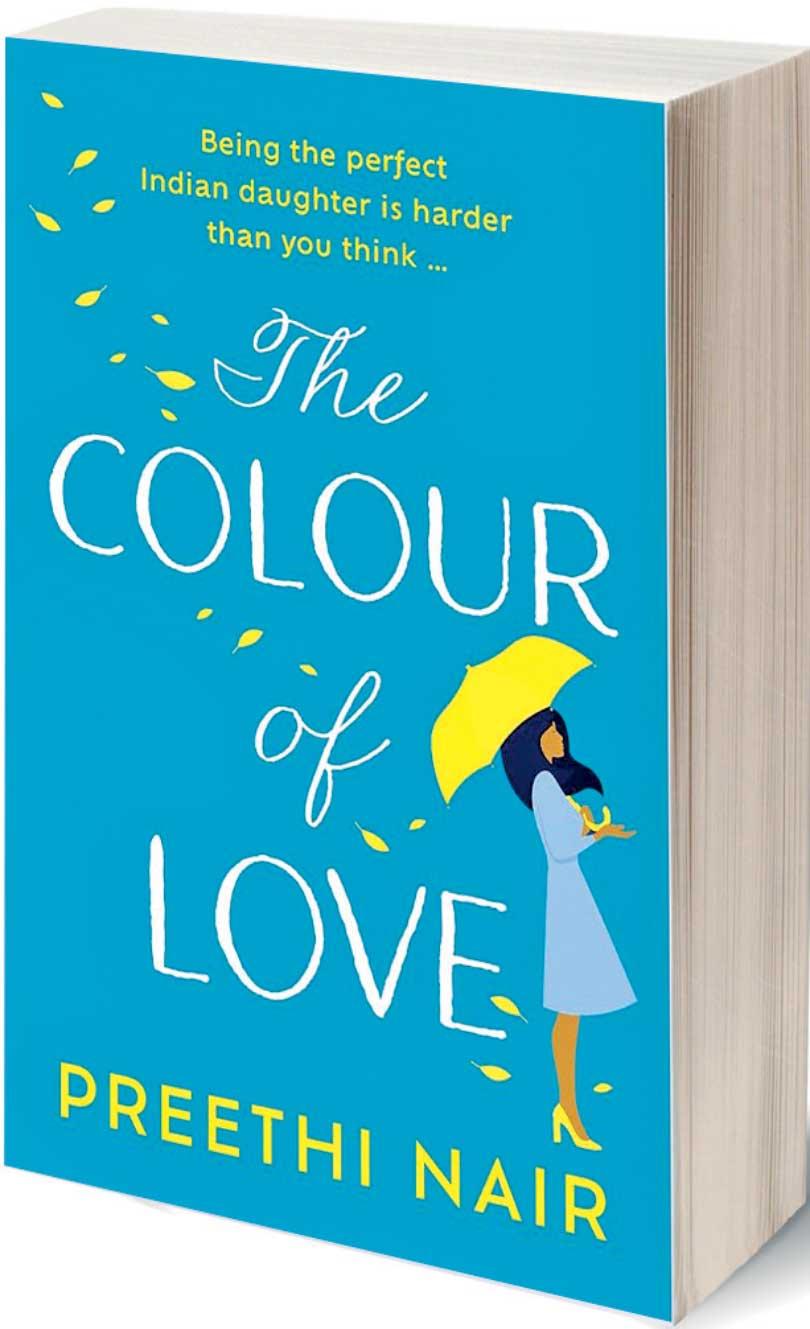
The Colour of Love deals with love, betrayal and resilience. What were you most interested in examining through that story?
I wanted to examine the double life I led while trying to get published and the lengths I went to in order to succeed. I set it in the art world rather than publishing for practical reasons, but emotionally it reflects that period of my life.
In Unravelling, you tackle more mature emotional themes. How did that differ from earlier work?
I would not describe the themes as darker, but more mature. I wrote Unravelling in my late forties. It reflects on the difference between the life we curate and the life we truly want when everything falls away.
Looking across all your books, what connects them thematically, and what has changed over time?
All my books are connected by the theme of following your heart and the belief that there is always hope, even in the face of rejection or betrayal. What has changed is a greater maturity and understanding of life’s nuances. What has not changed is the belief that it is never too late to tell a new story.